
 EN
EN
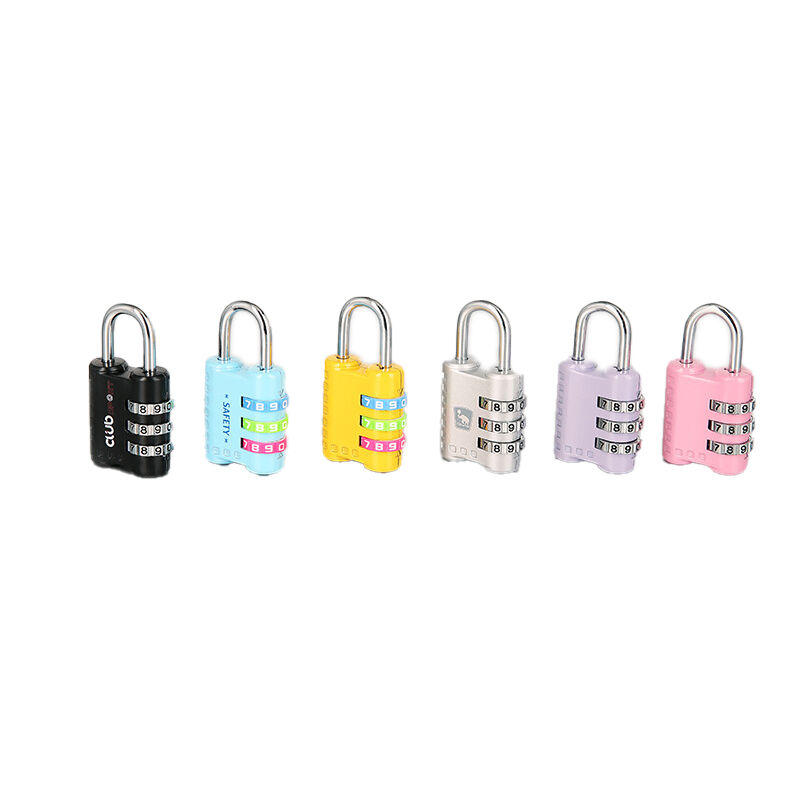
Retail shrinkage—encompassing theft, administrative errors, and vendor fraud—costs the global retail industry billions annually, with internal theft and unauthorized access emerging as top contributors. Among all access points in a retail store, the backdoor stands as the most vulnerable: it connects to storage rooms, loading docks, and inventory areas, serving as a critical gateway for both legitimate operations and illicit activities. Weak backdoor security, including inadequate locking mechanisms and lax key management, enables employees, contractors, or external parties to siphon inventory, tamper with goods, or gain unauthorized entry outside business hours. This white paper explores how deploying specialized padlocks and implementing rigorous key management systems—augmented by time-restricted access solutions—can fortify backdoor security, mitigate internal shrinkage, and establish a transparent, auditable access framework for retailers.
The Backdoor: A Hidden Hotspot for Retail Shrinkage and Security Risks
Retail backdoors are designed for operational efficiency, facilitating inventory deliveries, waste removal, and staff movement. However, their multifunctional nature and frequent use create inherent security gaps that bad actors exploit. Unlike front entrances, which are monitored by cameras, staff, and point-of-sale systems, backdoors often lack the same level of oversight, making them prime targets for unauthorized access and internal theft.
Internal shrinkage via backdoors typically manifests in several ways: employees smuggling high-value items out during shifts, colluding with external parties to remove inventory after hours, or using backdoor access to tamper with inventory counts. Unauthorized access also poses non-theft risks, such as property damage, sabotage, or even safety hazards for staff working late. Compounding these issues, traditional backdoor security measures—such as standard padlocks and informal key handoffs—fail to address the root causes: lack of access control, no audit trail, and difficulty in tracking key usage.
A 2024 retail security report found that 42% of internal theft incidents involve backdoor access, with 68% of affected retailers citing "inadequate locking systems" and "poor key management" as primary contributing factors. For retailers, the cost of such breaches extends beyond lost inventory: it erodes employee trust, damages brand reputation, and requires costly security overhauls. The solution lies in reimagining backdoor security through specialized padlocks and structured key management protocols.
Specialized Padlocks: The Foundation of Backdoor Security
Standard padlocks—often made of low-grade steel with easily replicable keys—are ill-suited for retail backdoors. Specialized padlocks for retail environments are engineered to deter forced entry, restrict unauthorized access, and integrate with management systems, addressing the unique security needs of backdoors.
Key Features of Retail-Grade Backdoor Padlocks
To fortify backdoors, retailers should prioritize padlocks with the following features:
-
Anti-Tamper and Anti-Forced Entry Design: Constructed with hardened alloy steel or boron carbide shackles, these padlocks resist cutting, prying, and drilling—common methods used to bypass standard locks. Closed-shackle or shrouded designs minimize leverage points, while tamper-resistant internal mechanisms prevent lock picking and shimming. For high-risk stores, padlocks with built-in alarm systems can alert staff to forced entry attempts.
-
Time-Restricted Access Capabilities: Timed padlocks (or time-sensitive digital padlocks) allow access only during predefined windows—e.g., 6 AM to 8 AM for vendor deliveries, or 9 PM to 10 PM for closing staff. These padlocks automatically lock outside authorized hours, eliminating the risk of employees retaining access after shifts or accessing the backdoor during off-hours without approval. Some advanced models sync with retail management systems to adjust access times based on store schedules.
-
Unique Keyways and Non-Replicable Keys: Specialized padlocks feature proprietary keyways that prevent unauthorized key duplication. Keys are only replicable with official authorization from the retailer, ensuring that lost or stolen keys cannot be easily replaced by employees or external parties. This eliminates a major loophole in traditional key management.
-
Durability for High-Traffic Use: Retail backdoors are used frequently by staff, vendors, and delivery personnel. Padlocks must withstand repeated use, exposure to dust, moisture, and temperature fluctuations without jamming or failing. Corrosion-resistant materials (e.g., stainless steel, chrome plating) and sealed mechanisms ensure long-term reliability in busy retail environments.
-
Integration with Key Management Systems: Padlocks designed for retail security are compatible with centralized key management systems, allowing retailers to track lock usage, assign access permissions, and revoke access remotely if needed. This integration transforms padlocks from passive security tools into active components of a transparent access framework.
Time-Restricted Padlocks: A Proactive Solution for Access Control
Time-restricted padlocks represent a game-changing innovation for retail backdoor security, addressing the risk of after-hours access and unauthorized key retention. These padlocks operate in two primary modes:
-
Mechanical Timed Padlocks: Preprogrammed to unlock only during set time windows, these padlocks require no batteries or digital integration. Ideal for small retailers or locations with limited tech infrastructure, they provide a cost-effective way to restrict access to delivery or closing hours.
-
Digital Timed Padlocks: Connected to retail management software, these padlocks allow real-time adjustment of access windows, remote locking/unlocking, and detailed usage logs. They can be programmed to grant temporary access to vendors or contractors, with access automatically revoked once the time window expires. Digital models also send alerts to management if access is attempted outside authorized hours.
By limiting access to only when it is operationally necessary, time-restricted padlocks significantly reduce the opportunity for internal theft and unauthorized entry, while also simplifying access management for retail staff.
Rigorous Key Management Systems: Closing the Access Loop
Even the most advanced padlocks are ineffective without a structured key management system. For retailers, key management is not just about tracking keys—it is about establishing accountability, limiting access to authorized personnel, and maintaining a complete audit trail of backdoor activity. A robust key management system addresses the following critical areas:
1. Centralized Key Tracking and Documentation
Retailers should maintain a centralized database of all backdoor padlock keys, including:
-
Unique identifiers for each key and corresponding padlock.
-
Records of which employees, vendors, or contractors are assigned keys.
-
Dates of key issuance, return, and replacement.
-
Logs of key usage (e.g., when a key was used to unlock the backdoor).
This documentation ensures that every key is accounted for, and any missing or unreturned keys can be quickly identified and addressed—whether by revoking access, replacing the padlock, or investigating potential misuse.
2. Role-Based Access Permissions
Key access should be granted based on job function, not seniority. For example:
-
Store managers may hold master keys for emergency access.
-
Closing staff may receive keys with time-restricted access to the backdoor during closing hours.
-
Vendors may be issued temporary keys or access codes for delivery windows only.
Role-based access ensures that employees only have the access necessary to perform their duties, reducing the number of keys in circulation and minimizing the risk of internal theft.
3. Strict Key Handoff and Return Protocols
Retailers must establish clear procedures for key handoff and return, particularly for shift workers. Keys should never be left unattended or passed between employees without documentation. At the end of each shift, employees must return keys to a secure location (e.g., a locked key cabinet) and sign them out/in. For remote or multi-location retailers, digital key management systems can automate this process, requiring employees to scan keys upon return and alerting management to unreturned keys.
4. Regular Audits and Maintenance
Key management systems require ongoing oversight to remain effective. Retailers should conduct monthly audits of key inventory, verifying that all keys are accounted for and that access permissions are up-to-date (e.g., revoking access for terminated employees). Additionally, padlocks should be inspected regularly for damage, wear, or tampering, with replacements scheduled as needed. Audits also provide an opportunity to review access logs, identifying unusual activity (e.g., after-hours access attempts) and addressing potential security gaps.
Implementation Best Practices for Retailers
Deploying specialized padlocks and key management systems requires careful planning and execution. Retailers should follow these best practices to maximize security and minimize disruption:
1. Conduct a Backdoor Security Assessment
Before investing in padlocks and key management systems, conduct a thorough assessment of backdoor vulnerabilities. Identify high-risk areas (e.g., loading docks, storage rooms), document current access procedures, and evaluate existing locking mechanisms. This assessment will help prioritize investments and ensure that solutions align with specific security needs.
2. Train Staff on Security Protocols
Employee compliance is critical to the success of any backdoor security program. Provide comprehensive training on padlock usage, key management protocols, and the consequences of unauthorized access. Training should emphasize that security is a team responsibility, and encourage employees to report suspicious activity (e.g., unreturned keys, forced entry attempts).
3. Integrate with Existing Security Systems
Specialized padlocks and key management systems should integrate with existing retail security tools, such as CCTV cameras, alarm systems, and inventory management software. For example, digital padlocks can trigger camera recordings when unlocked, while access logs can be cross-referenced with inventory data to identify discrepancies or theft patterns.
4. Scale Solutions for Multi-Location Retailers
For retailers with multiple stores, centralized key management systems are essential. Cloud-based digital platforms allow headquarters to oversee backdoor security across all locations, standardizing protocols and ensuring consistent protection. This also simplifies updates to access permissions, padlock maintenance, and audit reporting.
Case Study: Reducing Shrinkage with Specialized Padlocks and Key Management
A national retail chain with 200+ stores experienced significant shrinkage (approximately $2.3 million annually) due to backdoor-related internal theft. The chain implemented a three-part solution: upgrading to time-restricted digital padlocks for all backdoors, deploying a cloud-based key management system, and establishing role-based access permissions.
Within six months, the chain saw a 47% reduction in backdoor-related shrinkage. The time-restricted padlocks eliminated after-hours access, while the key management system allowed the chain to revoke access for terminated employees immediately and track key usage across all locations. Access logs also helped identify two instances of employee collusion, enabling the chain to address the issue proactively. Additionally, the chain reduced maintenance costs by 30%, as specialized padlocks required fewer replacements than standard models.
Conclusion
Retail backdoors are a critical vulnerability in the fight against shrinkage and unauthorized access, but they can also be transformed into a strength with the right tools and protocols. Specialized padlocks—particularly time-restricted models—provide robust physical security, while rigorous key management systems establish accountability and transparency. Together, these solutions create a layered security framework that deters internal theft, limits unauthorized access, and simplifies access management for retail staff.
For retailers, investing in backdoor security is not just a cost-saving measure—it is a strategic decision to protect inventory, build trust with employees and customers, and strengthen overall operational resilience. As retail theft tactics evolve, specialized padlocks and key management systems will remain essential tools for mitigating risk and ensuring long-term profitability. By prioritizing backdoor security, retailers can close a major security gap and take proactive steps toward eliminating shrinkage.
Table of Contents
- The Backdoor: A Hidden Hotspot for Retail Shrinkage and Security Risks
- Specialized Padlocks: The Foundation of Backdoor Security
- Rigorous Key Management Systems: Closing the Access Loop
- Implementation Best Practices for Retailers
- Case Study: Reducing Shrinkage with Specialized Padlocks and Key Management
- Conclusion