
 EN
EN
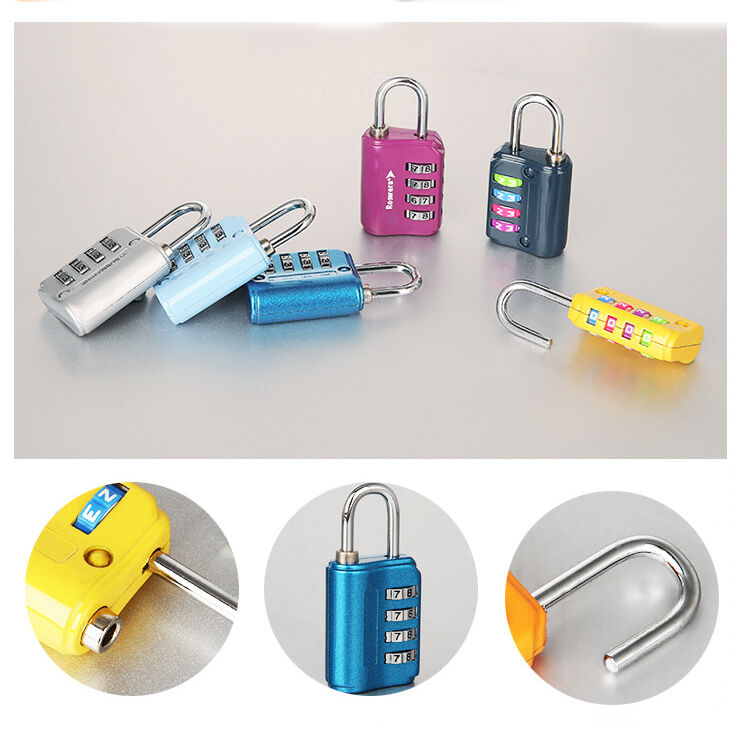
Commercial real estate portfolios—encompassing office buildings, shopping malls, mixed-use complexes, and industrial parks—are characterized by a vast network of dispersed outdoor and semi-outdoor assets. Electrical meter boxes, communication cabinets, roof access doors, and similar fixtures are critical to building operations but pose unique security challenges. These assets are often scattered across properties, poorly monitored, and secured with low-cost, easily replicable padlocks—creating vulnerabilities to illegal electricity access, unauthorized communication tampering, roof intrusions, and asset damage. For property managers, the cost of these breaches extends beyond immediate losses: it includes regulatory fines, operational downtime, and costly repairs. Modern, flexible padlock management systems—engineered for tamper resistance, access auditability, and strict key control—offer a proactive solution to secure dispersed assets while streamlining management. This article explores how such padlock solutions address commercial real estate risks and optimize asset security across diverse property types.
The Hidden Risks of Dispersed Assets in Commercial Real Estate
Dispersed assets like meter boxes, communication cabinets, and roof doors are often overlooked in commercial real estate security strategies, yet they are prime targets for malicious activity and accidental misuse. Low-cost, standard padlocks—commonly used for these assets—offer little to no protection against sophisticated threats, leading to a range of risks:
-
Illegal Electricity Access: Unsecured meter boxes are vulnerable to tampering by tenants, squatters, or external parties seeking to siphon electricity. This not only causes revenue losses for property owners but also increases fire hazards and exposes businesses to non-compliance fines from energy regulators.
-
Communication Infrastructure Tampering: Communication cabinets house cables, routers, and data equipment critical to building operations. Unauthorized access can lead to data breaches, service outages for tenants, or theft of valuable equipment—disrupting business operations and damaging tenant trust.
-
Roof Intrusion: Roof access doors secured with weak padlocks are targets for trespassers, vandals, or thieves. Roofs house HVAC units, solar panels, and other high-value equipment; unauthorized access can result in equipment theft, property damage, or even personal injury liability if trespassers fall.
-
Unaccountable Access: Standard padlocks provide no record of who accessed an asset, when, or for what purpose. This creates blind spots for property managers, making it impossible to trace breaches to specific individuals or hold staff accountable for improper access.
Compounding these risks, managing keys for hundreds of dispersed assets with standard padlocks is logistically unwieldy. Keys are easily lost, duplicated without authorization, or passed between staff without documentation—turning even well-intentioned security measures into liabilities. The solution lies in replacing cheap, insecure padlocks with a specialized management system that combines physical deterrence with digital accountability.
Core Features of Commercial Real Estate-Grade Padlock Systems
Padlock systems designed for commercial real estate prioritize three critical attributes: tamper resistance to deter breaches, auditability to track access, and strict key control to prevent unauthorized duplication. These features work in tandem to secure dispersed assets while reducing management overhead.
Tamper-Resistant Design: Fortifying Against Unauthorized Access
Commercial real estate padlocks must withstand both forced entry attempts and subtle tampering. Key design elements include:
-
Hardened, Anti-Cut Shackles: Constructed from boron carbide or hardened alloy steel—materials resistant to bolt cutters, angle grinders, and hacksaws—shackles prevent brute-force entry. Closed-shackle or shrouded designs minimize leverage points for prying, while rotating shackle technology adds an extra layer of protection against jimmying.
-
Tamper-Evident Mechanisms: Internal locking systems with anti-pick, anti-shim, and anti-drill features deter sophisticated tampering. Some padlocks include visible tamper indicators—such as color-changing seals or irreversible damage if opened without authorization—alerting managers to potential breaches at a glance.
-
Corrosion and Weather Resistance: Dispersed assets are exposed to the elements—rain, snow, humidity, and temperature fluctuations. Padlocks made from marine-grade stainless steel, chrome-plated steel, or corrosion-resistant polymers ensure durability, avoiding jamming or failure in harsh conditions. Sealed mechanisms prevent dust, water, and debris from infiltrating internal components.
-
Anti-Duplication Keyways: Proprietary keyways and restricted-key systems prevent unauthorized key duplication. Keys can only be replicated with official approval from the property management team, eliminating the risk of staff or external parties copying keys without permission.
Auditability: Creating a Transparent Access Trail
For dispersed assets, visibility into access activity is critical for accountability and breach investigation. Modern padlock systems offer two levels of auditability:
-
Mechanical Audit Trails: For properties with limited digital infrastructure, padlocks with serial numbers and key tracking capabilities allow managers to document key issuance and return, linking access to specific staff members. Each padlock is assigned a unique identifier, paired with a corresponding key, and logged in a centralized system.
-
Digital Audit Trails: Advanced smart padlocks integrate with cloud-based management platforms, logging every lock/unlock event with timestamps, user IDs, and location data. This information is accessible in real time, allowing managers to monitor access to dispersed assets remotely. Some models send alerts for unusual activity—such as after-hours access or multiple failed unlock attempts—enabling proactive response to potential threats.
Strict Key Control: Streamlining Management of Dispersed Assets
Key control systems eliminate the chaos of managing hundreds of individual keys, providing centralized oversight while maintaining security. Critical components include:
-
Master Key Systems: A tiered master key system allows property managers to use a single master key to access all padlocks across a portfolio, while staff receive sub-keys restricted to specific assets or zones. This balances operational flexibility with security—managers can respond to emergencies quickly, while staff only access assets necessary for their roles.
-
Key Tracking Software: Cloud-based or on-premise software centralizes key inventory, tracking issuance, return, and replacement. When staff members leave or change roles, access can be revoked immediately by deactivating their keys, without rekeying entire padlock systems. This reduces maintenance costs and minimizes security gaps.
-
Temporary Access Solutions: For contractors, vendors, or temporary staff, padlocks with time-restricted access codes or disposable keys eliminate the need to issue permanent keys. Access automatically expires after a predefined period, ensuring external parties cannot retain access beyond their assignment.
Tailored Padlock Solutions for Commercial Real Estate Assets
Different dispersed assets require specialized padlock configurations to address their unique risks. Below are optimized solutions for common commercial real estate fixtures:
1. Electrical Meter Boxes
Meter boxes demand padlocks that resist tampering and provide clear audit trails to prevent illegal electricity access. Hardened steel padlocks with anti-drill mechanisms and restricted keys are ideal, as they deter forced entry and unauthorized duplication. For regulatory compliance, digital padlocks with audit logs allow managers to prove that only authorized personnel accessed meter boxes, simplifying inspections by energy authorities. Corrosion-resistant materials ensure durability in outdoor or semi-outdoor locations.
2. Communication Cabinets
Communication cabinets require high-security padlocks that protect sensitive equipment from tampering and theft. Shrouded-shackle padlocks with boron carbide shackles resist cutting and prying, while tamper-evident seals alert managers to unauthorized access. Smart padlocks with real-time access logs integrate with IT security systems, allowing property managers and IT teams to coordinate responses to breaches. Keyed-alike systems simplify access for IT staff, who may need to service multiple cabinets across a property.
3. Roof Access Doors
Roof doors need padlocks that balance security with emergency access. Heavy-duty closed-shackle padlocks with anti-cut features prevent trespassing, while master key compatibility allows emergency responders and maintenance staff to access roofs quickly. For properties with high foot traffic, digital padlocks with access alerts notify managers of after-hours access attempts, reducing the risk of vandalism or theft. Weather-resistant materials ensure reliability in outdoor conditions, even on exposed roofs.
Implementation Best Practices for Property Managers
To maximize the effectiveness of padlock management systems, commercial real estate managers should follow these best practices:
1. Conduct a Comprehensive Asset Audit
Map all dispersed assets—meter boxes, communication cabinets, roof doors, and others—and assess their specific risks. Prioritize high-vulnerability assets (e.g., meter boxes in high-theft areas) for immediate upgrade to specialized padlocks. This audit will also help standardize padlock systems across the portfolio, simplifying management.
2. Standardize on a Single Padlock System
Using a unified padlock and key management system across all properties eliminates compatibility issues and reduces training costs. Choose a system that scales with portfolio growth, allowing new assets to be integrated seamlessly.
3. Train Staff on Proper Usage and Protocols
Ensure all staff—from property managers to maintenance teams—understand how to use the padlock system, track keys, and report tampering or suspicious activity. Regular refresher training reinforces compliance and ensures the system is used correctly.
4. Integrate with Existing Security Infrastructure
Link padlock systems with CCTV cameras, alarm systems, and property management software. For example, smart padlocks can trigger camera recordings when unlocked, while access logs can be cross-referenced with alarm events to identify breaches. This integration creates a holistic security ecosystem.
5. Conduct Regular Audits and Maintenance
Inspect padlocks quarterly for damage, corrosion, or tampering, replacing worn or compromised units immediately. Audit key inventory and access logs monthly to ensure keys are accounted for and access permissions are up-to-date. This proactive maintenance extends the life of padlocks and prevents security gaps.
Conclusion
Dispersed assets in commercial real estate are too often secured with cheap, ineffective padlocks—exposing properties to theft, tampering, and regulatory risks. Specialized padlock management systems, with tamper-resistant designs, auditable access trails, and strict key control, transform these vulnerabilities into secured assets. By replacing standard padlocks with solutions tailored to meter boxes, communication cabinets, and roof doors, property managers can mitigate risks, reduce operational costs, and enhance tenant trust.
In an era of increasing security threats, flexible padlock systems offer commercial real estate professionals a scalable, proactive approach to asset security. These systems not only deter unauthorized access but also provide the transparency and control needed to manage dispersed assets efficiently across large portfolios. Investing in high-quality padlock management is not just a security measure—it is a strategic decision to protect property value, ensure regulatory compliance, and maintain operational resilience in a dynamic commercial real estate landscape.