
 EN
EN
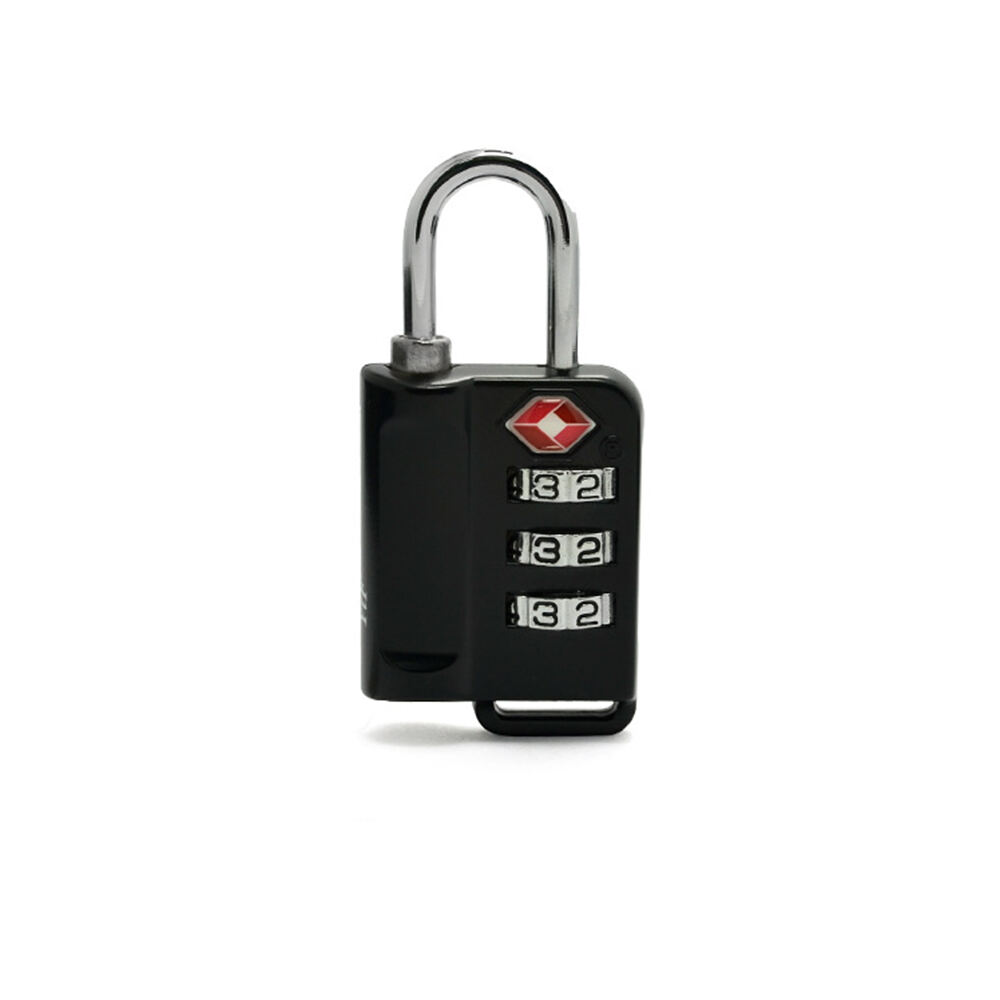
Campuses, parks, community centers, and other public facilities rely on outdoor assets—from bicycle racks and storage lockers to equipment sheds and utility cabinets—to support daily operations and user needs. These assets are exposed to two core threats: unforgiving natural elements and intentional vandalism. For facility managers in education and public sectors, selecting the right padlocks is critical to protecting these assets, minimizing maintenance costs, and ensuring long-term usability. Ordinary padlocks quickly succumb to rust, corrosion, or forced damage in public outdoor settings, leading to frequent replacements, security breaches, and operational disruptions. Specialized public-environment padlocks, engineered for weather resistance and anti-vandalism, paired with smart management systems like master key setups, offer a sustainable solution. This article explores how to select such padlocks to safeguard outdoor assets and optimize management efficiency in campuses and public facilities.
The Unique Challenges of Outdoor Asset Security in Public Settings
Campuses and public facilities present distinct challenges for padlock performance, differing significantly from private or industrial environments. First, outdoor assets face relentless exposure to extreme weather: scorching sunlight, heavy rain, snow, ice, and humidity, which accelerate rust and corrosion in standard metal padlocks. For coastal campuses or facilities near water bodies, salt spray exacerbates corrosion, rendering locks inoperable within months. Second, public spaces are prone to vandalism—intentional damage, lock picking, or forced entry using tools like bolt cutters and pry bars—putting assets at risk of theft or destruction. Bicycle racks on college campuses, for example, are frequent targets for vandalism, while public storage lockers may be tampered with by unauthorized users.
Additionally, facility managers must oversee assets used by hundreds or thousands of users (students, staff, community members) while maintaining cost control. Frequent padlock replacements due to weather damage or vandalism drive up maintenance budgets, while disorganized key management creates inefficiencies—lost keys, unauthorized access, and time-consuming lock rekeying. The ideal padlock for public outdoor settings must address these pain points: withstand harsh weather, resist vandalism, and support scalable management solutions to reduce long-term costs.
Core Features of Public-Environment Padlocks: Weather Resistance and Anti-Vandalism
Public outdoor padlocks are engineered with two non-negotiable attributes: robust weather resistance and anti-vandalism design. These features ensure durability, security, and reduced maintenance needs, making them suitable for high-traffic public spaces.
Weather Resistance: Fighting Rust and Corrosion
Weather resistance starts with material selection, as ordinary steel padlocks rust and seize up in moist or salty environments. The most reliable public-environment padlocks use corrosion-resistant materials and sealed mechanisms to withstand years of outdoor exposure:
-
Marine-Grade Stainless Steel (Grade 316): The gold standard for weather resistance, Grade 316 stainless steel contains molybdenum, which resists pitting corrosion from saltwater, humidity, and chemical exposure. Ideal for coastal campuses, parks near water, or facilities with frequent rain.
-
Corrosion-Resistant Coatings: For cost-effective alternatives, padlocks with hardened steel cores and thick chrome, zinc, or vinyl coatings provide a protective barrier against moisture and rust. Vinyl coatings also prevent scratches on assets like bicycle frames or locker doors.
-
Sealed Mechanisms: Fully sealed lock bodies and shackles prevent water, dust, and debris from entering internal components, avoiding jamming or mechanical failure in extreme weather. This is critical for regions with heavy snow, ice, or sand.
-
Temperature Tolerance: Padlocks must withstand extreme temperatures—from sub-zero winters to sweltering summers—without compromising performance. High-quality models maintain functionality in temperatures ranging from -40°C to 80°C.
Anti-Vandalism Design: Deterring Forced Entry and Damage
Public spaces demand padlocks that resist intentional damage and forced entry. Anti-vandalism features focus on strengthening vulnerable points and deterring common attack methods:
-
Hardened Shackles: Shackles made of boron carbide or hardened alloy steel resist cutting by bolt cutters, angle grinders, and hacksaws—tools commonly used in vandalism. Closed-shackle designs minimize leverage points for prying, while shrouded shackles add an extra layer of protection against jimmying.
-
Tamper-Resistant Mechanisms: Internal locking systems with anti-pick, anti-shim, and anti-drill features prevent unauthorized access. Unique keyways that are difficult to replicate and sealed keyholes deter lock picking and tampering.
-
Impact Resistance: Reinforced lock bodies made of heavy-duty metal or high-strength plastic withstand blows from hammers or bats, preventing structural damage. Shock-absorbent materials reduce the risk of internal mechanism failure from impact.
Management Solutions for Public Facilities: Master Key Systems and Scalability
Campuses and public facilities often have dozens or hundreds of outdoor assets, each requiring a padlock. Managing individual keys for every lock is logistically cumbersome and costly. Master key systems address this challenge, providing centralized control while maintaining security—an essential feature for facility managers.
Master Key Systems: Balancing Control and Accessibility
A master key system allows facility managers to use a single master key to access all padlocks, while individual users (students, staff) receive sub-keys that only open specific locks. This system offers multiple benefits for public facilities:
-
Streamlined Key Management: Eliminates the need to track dozens of individual keys, reducing administrative overhead and the risk of lost keys. Managers can quickly access any asset for maintenance, inspections, or emergency situations.
-
Controlled Access: Sub-keys can be issued to authorized users with restricted access (e.g., a student’s key only opens their assigned locker), preventing unauthorized use of shared assets. When users leave (e.g., graduating students), only the specific sub-key needs to be revoked, without rekeying all locks.
-
Cost Savings: Reduces the need for lock replacements or rekeying when keys are lost or users change. Master key systems are scalable, allowing facilities to add new padlocks without overhauling the entire key management infrastructure.
Additional Management-Friendly Features
Beyond master key systems, padlocks with the following features further optimize asset management for public facilities:
-
Keyed-Alike Options: For shared assets (e.g., maintenance equipment sheds), padlocks with the same key (keyed-alike) allow staff to access multiple assets with one key, improving operational efficiency.
-
Engravable Bodies: Padlocks with engravable surfaces can be marked with asset IDs, departments, or zones, simplifying inventory management and reducing mix-ups.
-
Resettable Combinations: For high-turnover areas (e.g., temporary locker rentals in community centers), combination padlocks eliminate key management entirely. Users reset codes between uses, and managers can override codes if needed.
Tailored Padlock Solutions for Campus and Public Facility Assets
Different outdoor assets have unique security and management needs. Below are tailored padlock recommendations for common public and campus assets:
1. Bicycle Racks
Bicycle racks require padlocks that are weather-resistant, anti-theft, and easy for users to operate. Marine-grade stainless steel padlocks with hardened shackles and vinyl coatings are ideal—they resist corrosion, prevent bicycle scratches, and deter cutting. For campus bike racks, combination padlocks or keyed-alike models offer convenience for students, while managers can use a master key to access locks in emergencies.
2. Public Storage Lockers
Lockers in parks, campuses, or transit hubs need durable, tamper-resistant padlocks. Closed-shackle stainless steel padlocks with master key compatibility are preferred. They withstand weather exposure, resist forced entry, and allow managers to oversee dozens of lockers with minimal effort. For high-traffic areas, resettable combination padlocks reduce key loss and maintenance costs.
3. Utility Cabinets and Equipment Sheds
Utility cabinets (electrical, water, or communication) and equipment sheds require high-security padlocks to protect critical infrastructure. Heavy-duty padlocks with boron carbide shackles, sealed mechanisms, and master key systems are essential. These padlocks resist vandalism and weather damage, while master keys allow maintenance staff to access multiple sites efficiently.
4. Playground and Sports Equipment
Outdoor sports equipment (e.g., soccer goal locks, tennis court gates) needs impact-resistant and corrosion-resistant padlocks. Vinyl-coated steel padlocks with shrouded shackles prevent damage from sports equipment and harsh weather, while anti-tamper mechanisms deter vandalism. Keyed-alike models simplify access for coaches and facility staff.
Key Selection Criteria for Facility Managers
When choosing padlocks for campus and public outdoor assets, facility managers should prioritize the following criteria to maximize value and security:
-
Environmental Match: Select materials based on the local climate—marine-grade stainless steel for coastal areas, vinyl-coated models for humid regions, and temperature-tolerant designs for extreme winters/summers.
-
Security Level: Align anti-vandalism features with the asset’s risk level—high-security boron carbide shackles for utility cabinets, standard hardened steel for bicycle racks in low-theft areas.
-
Management Scalability: Opt for master key-compatible padlocks if managing multiple assets, and consider keyed-alike or combination models for high-turnover use cases.
-
Durability and Warranty: Choose padlocks from reputable manufacturers with warranties (2–5 years) against corrosion, defects, and mechanical failure. This reduces long-term replacement costs.
-
User-Friendliness: Ensure padlocks are easy to operate for end-users (students, community members) to avoid frustration and improper use. Clear dials for combination locks and smooth key insertion are critical.
Conclusion
Outdoor asset management in campuses and public facilities hinges on selecting padlocks that balance weather resistance, anti-vandalism performance, and scalable management. Ordinary padlocks fail to withstand the unique demands of public outdoor settings, leading to frequent maintenance and security risks. Specialized public-environment padlocks—crafted from corrosion-resistant materials, with hardened shackles and tamper-resistant mechanisms—provide long-lasting protection against weather and damage.
When paired with master key systems or user-friendly combination designs, these padlocks streamline management, reduce administrative overhead, and lower overall maintenance costs. For facility managers, investing in high-quality padlocks is not just a security measure—it is a strategic decision to protect assets, enhance user experience, and ensure the long-term functionality of outdoor facilities. As campuses and public spaces evolve, durable and manageable padlocks will remain a cornerstone of effective outdoor asset security.
Table of Contents
- The Unique Challenges of Outdoor Asset Security in Public Settings
- Core Features of Public-Environment Padlocks: Weather Resistance and Anti-Vandalism
- Management Solutions for Public Facilities: Master Key Systems and Scalability
- Tailored Padlock Solutions for Campus and Public Facility Assets
- Key Selection Criteria for Facility Managers
- Conclusion