
 EN
EN
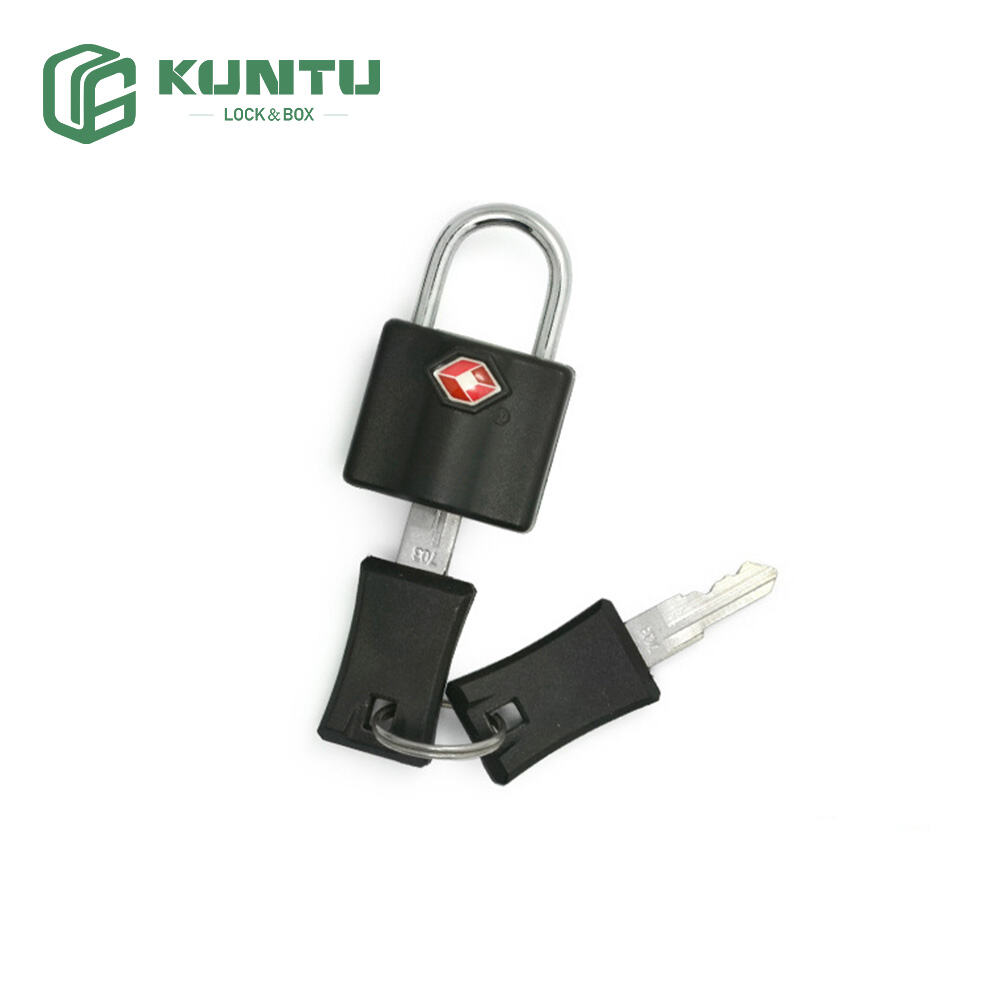
Physical Construction Matters: Shackle Design, Materials, and Attack Resistance
Shrouded, discus, and borosilicate-shackled padlocks: geometry, hardness ratings (e.g., HRC 50+), and real-world cut/crush test performance
The way padlocks are built around their shackle determines how well they stand up to physical attacks. Some models feature what's called a shrouded design where the actual metal part gets hidden inside a tough steel casing. This basically stops people from getting bolt cutters right onto those weak spots where the lock would break apart. Then there are these disc-shaped locks that spin when hit, spreading out the force from whatever hits them instead of letting all that pressure build up at the bottom of the shackle. Glass shackles made from borosilicate material have really hard surfaces, around 620 HV if we're being precise, which makes them tough against saws. But here's the catch: those same glass parts will just crack apart completely when someone applies blunt force or tries to crush them. And manufacturers need special mounts for these glass versions too, otherwise temperature changes can create cracks over time.
Hardened steel shackles rated HRC 50+ consistently outperform standard alloys in ASTM F883 cutting-force tests, resisting shear 30% longer and withstanding indentation three times longer than softer alternatives. Independent lab evaluations confirm these performance differences:
| Attack Method | Shrouded Performance | Discus Performance | Borosilicate Performance |
|---|---|---|---|
| Bolt Cutter Shear | 90+ seconds to breach | 45+ seconds | Instant shatter |
| Hydraulic Crush | Minimal deformation | Moderate bending | High fragmentation |
| Hacksaw Resistance | 8+ minutes | 5+ minutes | 30+ minutes |
Shrouded models demand specialized angled cutters for effective engagement; discus units frustrate prying by rotating away from applied torque; and while borosilicate excels against sustained abrasion, its brittleness makes it unsuitable for environments where impact or compression is likely.
Certified Padlock Security Ratings: Decoding EN 1303, CEN Grades, and UL Standards
Getting familiar with security certifications helps people choose padlocks that actually stand up to what they might face in the real world. The CEN grading system goes from Grade 1 for regular home use all the way up to Grade 6 for places where security needs are at their highest level. Padlocks go through various tests under this system including attempts at cutting them open, sawing through, twisting forces, drilling attacks, impacts, and even how they perform when temperatures drop below freezing. Then there's EN 1303 which focuses specifically on the lock cylinders themselves. This standard requires things like anti-drill plates inside the lock body, harder wearing pins within the mechanism, and resistance against someone trying to twist the lock out of alignment. These features make a big difference in how well the lock can resist forced entry attempts.
The UL 437 standard from Underwriters Laboratories in North America tests how well products resist things like picking, drilling attempts, and forced entry in lab settings. Most insurance companies want either CEN Grade 3+ or UL 437 certification before they'll offer coverage. This is particularly true for places like factories, transport equipment, or areas known for theft problems. When hardware meets these standards, it actually makes a difference. Businesses report fewer break-ins and less damage overall when they install certified security solutions.
FAQ Section
What is the purpose of a shrouded padlock design?
A shrouded padlock design hides the shackle inside a steel casing to prevent direct access by bolt cutters, enhancing the lock's resistance to physical attacks.
Why are borosilicate shackles less suitable for impact environments?
Borosilicate shackles excel against abrasion but are brittle, making them susceptible to cracking when subjected to impact or compression.
How do the CEN Grades affect padlock selection?
The CEN Grades rank padlocks from 1 to 6 based on security needs, affecting how well they perform under various tests, including drilling, sawing, and impact resistance.
Why is UL 437 certification important for businesses?
UL 437 certification ensures the padlocks can resist picking, drilling, and forced entry, reducing theft and break-ins for businesses and meeting insurance requirements.