
 EN
EN
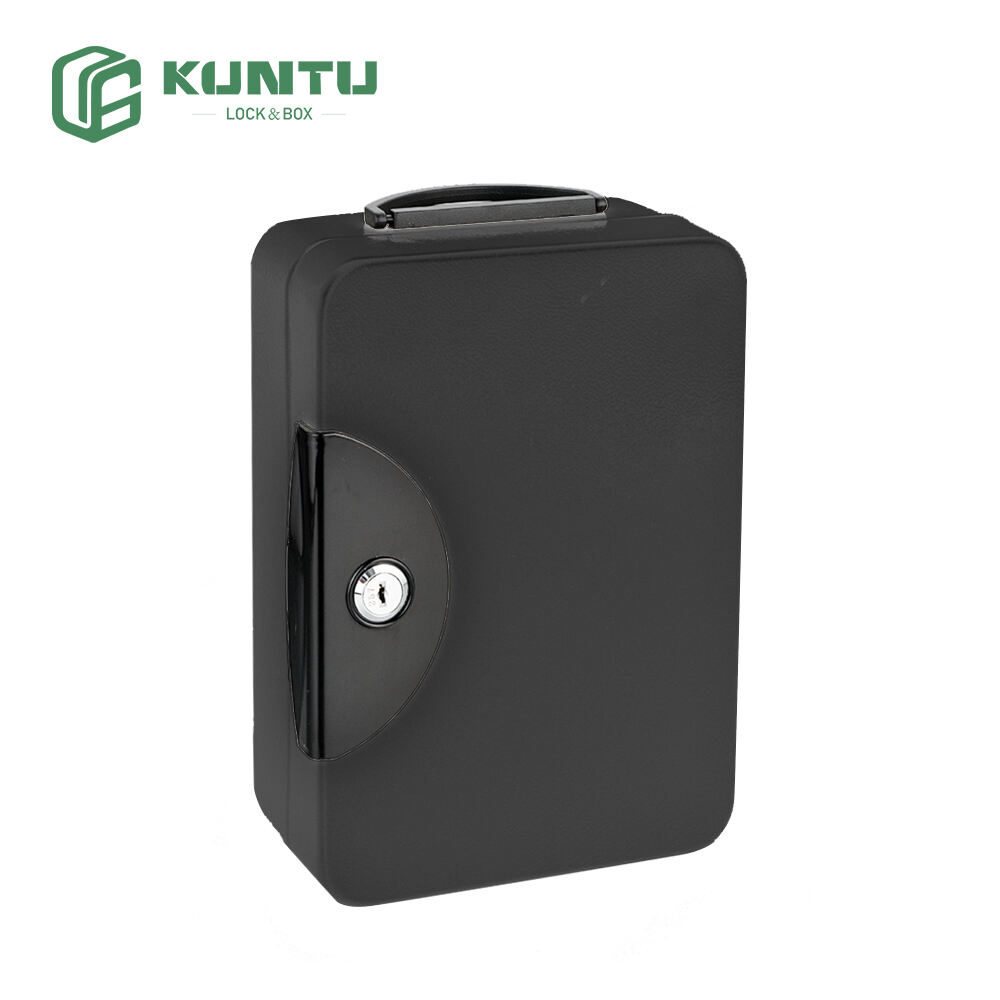
Core Security Features of a Premium Key Safe Lock Box
Tamper-Resistant Construction and LPS1175/Secured by Design Certification
High quality key safes come with tough steel construction and internal parts built to stand up against drilling, sawing, and even strong impacts. A lot of them meet the LPS1175 standard which basically means they can hold off standard tools for about five whole minutes before giving in. They also get approved through the Secured by Design program run by UK police. Tests done recently found that these certified boxes stop break-ins around three times longer than regular ones according to 2023 standards. What makes them so good? Features like anti-pry edges around the body, protected areas where keys sit inside, and those clever auto-relocking mechanisms really work together to keep thieves out. These little extras mean spare keys stay put even when faced with pretty advanced stealing techniques nowadays.
Robust Mounting Systems to Prevent Prising or Unauthorized Removal
Getting the mounting right is absolutely essential when it comes to securing key safes properly. The best quality models come with through-bolt systems that need special tools to install, and they use concrete screws that go down around 40mm into solid walls. These units also feature anti-rotation lugs and recessed mounting points which stop anyone from getting any kind of leverage. This matters a lot because according to Security Journal research from last year, about two thirds of all outdoor safe thefts happen when thieves try to wrench them loose. Another smart design element is tamper proof bolts with shear heads that just won't come off after installation. Plus there are dual action mounting plates that spread out any force applied to the safe. When dealing with tricky surfaces like brick or block walls, manufacturers often recommend using epoxy anchors. These actually form really strong bonds that can withstand over 500kg of pulling force, making it nearly impossible for even the most determined thief to pry the safe loose no matter what tools they bring to bear.
IP65 and IK10 Weather Resistance for All-Weather Outdoor Reliability
For something to really hold up outdoors, it needs proper environmental certifications. Look for IP65 rating which means full dust protection plus resistance against water jets at low pressure. Also important is the IK10 rating standing for impact resistance of about 20 joules, similar to what happens when a 5kg object falls from around 40cm high. These standards help equipment work reliably even in super cold or hot conditions ranging from minus 30 degrees Celsius all the way up to 70 degrees. That matters because according to a recent study on climate durability from 2024, almost half (that's 42%) of lock problems along coastlines actually come from temperature changes stressing materials over time. The design includes internal channels that drain away any moisture buildup, special polymers treated to withstand sunlight without breaking down, and sealed compartments for batteries so they keep working even if there's flooding nearby. Because of all this, these locks perform well not just in regular outdoor settings but also in places like mountain huts where weather can be unpredictable, seaside homes constantly battling salt air, and factories located near areas prone to severe weather conditions.
Locking Mechanisms Explained: Choosing the Right Key Safe Lock Box Technology
Mechanical Combination Locks: Simplicity, Durability, and Limitations
Mechanical combination locks work without batteries and are pretty tough against physical attacks, which makes them good choices for places where people don't need to get in very often, like storing backup keys. The steel parts inside these locks can hold up against someone trying to break in for quite some time. According to research from the Ponemon Institute last year, about three quarters of all successful break ins take at least fifteen minutes straight of messing around with the lock. On the downside though, changing the combination usually means calling a locksmith, and there's still the problem of someone watching from nearby to figure out the code. Because of these characteristics, mechanical locks tend to work best in situations where security isn't super critical and nobody is rushing to get through the door.
Digital Keypad Key Safe Lock Boxes: Code Management and Power Resilience
Digital keypads give businesses real control over who gets in when they need to. Staff members can change codes from their phones using Bluetooth or update combinations whenever there's turnover, which makes keeping track of access much easier during audits. The best models come with tough outer shells rated IP65/IK10 so they stand up to weather and rough handling, and work just fine even in extreme temperatures ranging from minus 30 degrees Celsius all the way up to 70. Sure, batteries do present some problems if not monitored properly. But manufacturers have thought ahead about this issue. Most top products now include backup power connections, send warnings when charge levels drop too low, and use components that consume very little electricity. These features help maintain continuous operation at places like office buildings or retail stores where detailed records of entry attempts and quick adjustments to access permissions matter most.
Biometric Options: Use Cases, Accuracy Trade-offs, and Environmental Constraints
Fingerprint scanners give people access within just over a second and get rid of those pesky code sharing issues, making them great for places where lots of different people come and go regularly such as vacation rental properties. But there's a catch worth mentioning here too. According to some recent lab tests from last year, when temperatures drop below freezing point, these scanners start having trouble recognizing fingerprints correctly about 18 percent less often than normal. Plus, if something gets on the sensor like dirt or water droplets, it might reject valid users by mistake. That's why most experts recommend putting these biometric devices somewhere sheltered from weather elements whenever possible. And for really important security situations where no failure is acceptable at all, combining fingerprint tech with old fashioned mechanical locks creates an extra layer of protection while still keeping things fast and traceable back to specific individuals who entered premises.
Capacity, Organization, and Real-World Usability in Key Safe Lock Box Design
Picking out the correct key safe really comes down to matching what it can hold against actual needs rather than just thinking about paper numbers. There are models available for almost every situation - from those tiny ones holding just one key up to bigger boxes that fit over ten keys inside. But how well they work depends heavily on good organization within them. Internal hooks help keep things neat, compartments with labels make finding specific keys easier, and color coded slots stop everything getting mixed up, which is super important when someone needs something fast during an emergency. Some designs feature angled slots so fingers don't slip off as easily, plus mechanisms that open with just one hand, making life much simpler if hands are full or visibility is poor. Size matters as well obviously. Boxes that are too big tend to stand out too much, while ones that are too small become frustrating because inserting and taking out keys becomes difficult. Weather resistant seals are absolutely necessary for keeping moisture away from inside parts, otherwise rust starts developing particularly bad near coasts where salt air hangs around or anywhere humidity levels stay high. Rental places and buildings shared by multiple people benefit greatly from safes equipped with audit trails since this tracks who accessed what at what time, adding another layer of responsibility without complicating things unnecessarily.
Installation and Operational Best Practices for Maximum Effectiveness
Optimal Placement: Balancing Accessibility, Visibility, and Physical Security
Where we place these units really affects how well they work and how much they actually deter intruders. The device should be easy for authorized people to reach comfortably, but not sitting there where everyone walking past can see it clearly. Good spots include side entrances, tucked away corners, or hidden behind some clever landscaping like thick shrubs or near building drains. We need to mount them at a height that stops random folks from messing around, yet still low enough so someone can grab it quickly when needed. Important note: never attach to flimsy walls or weak surfaces because that just makes everything vulnerable. Studies show that visible locks and alarms stop about 8 out of 10 would-be thieves according to Security Journal last year, which means hiding things completely isn't always best practice. Sometimes being somewhat hidden works better than trying to make everything invisible.
Surface Compatibility and Anchoring Requirements for Common Installation Sites
Mounting success depends on matching hardware to substrate. Use the following guidance to ensure long-term integrity:
| Surface Type | Anchoring Requirement | Installation Tip |
|---|---|---|
| Brick/Concrete | Impact-rated anchors + corrosion-resistant sleeves | Pre-drill holes 3mm larger than anchors for thermal expansion |
| Wood Siding | 3-inch coated screws + backing plate | Avoid knots and check for hidden wiring |
| Metal Surfaces | Welded brackets + security bolts | Use rubber gaskets to prevent electrolysis |
| Stucco/Render | Hollow-wall anchors + load spreaders | Seal edges with silicone to prevent moisture intrusion |
Always verify structural integrity using a stud finder before drilling—improper anchoring accounts for 42% of field failures (Physical Security Digest 2022). On irregular surfaces like natural stone or textured masonry, custom mounting plates ensure flush contact and eliminate potential leverage points.
FAQ Section
What is the purpose of LPS1175 certification for key safes?
LPS1175 certification ensures that key safes can resist tools and physical attacks for at least five minutes, making them substantially more secure.
How important is weather resistance for outdoor key safes?
Weather resistance, like IP65 and IK10 ratings, is crucial for maintaining operational integrity and preventing environmental damage over time.
How do digital keypads enhance security?
Digital keypads allow for easy code management and can alert users to battery issues, ensuring continuous security and accessibility.
Can biometric locks be used in extremely cold environments?
Biometric locks may experience reduced accuracy in freezing temperatures, so supplemental security measures or protected placement are recommended.