
 EN
EN
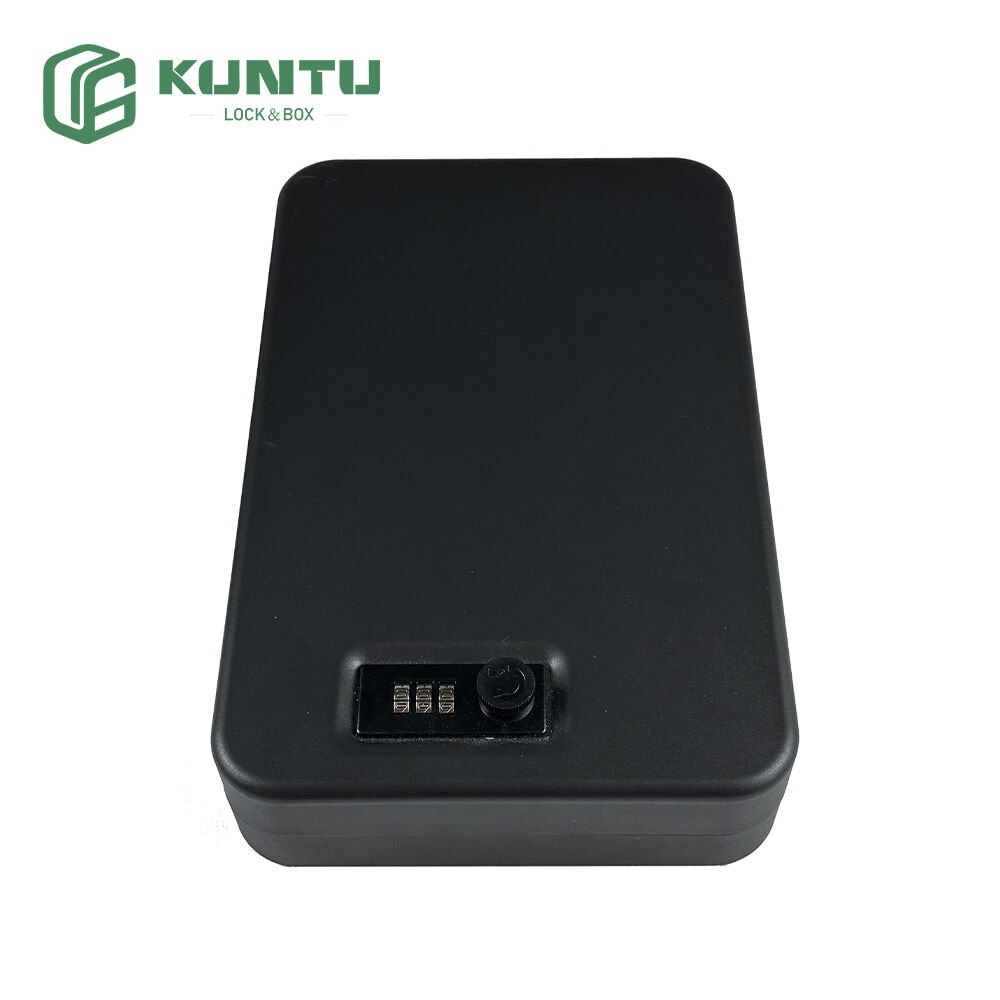
Key Gun Safe Box Features That Deliver Real-World Protection
Robust Construction: Steel Gauge, Weight, and Anchoring Options
The strength of a gun safe box determines how well it actually protects firearms in real situations. When looking at steel thickness, remember that lower gauge numbers actually indicate stronger metal. A 12 gauge safe will hold out against pry tools much better than something rated at 16 gauge, according to recent tests conducted by security experts last year. Weight matters too, though not absolutely everything. Safes over 100 pounds simply aren't as easy for thieves to carry away, particularly if they're properly secured to solid concrete floors or attached firmly to wall studs with the bolts provided by the manufacturer themselves.
The most effective construction combines three interdependent elements:
- Material thickness: 10–14 gauge steel delivers optimal balance between security, durability, and value
- Mass: Minimum 75 lbs. for handgun-only safes; 300+ lbs. strongly recommended for long-gun storage
- Anchoring: Permanent attachment via concrete anchors or structural wall-mounting brackets neutralizes “grab-and-go” theft
Reinforced hinge-side walls and door frames further deter crowbar attacks at common leverage points. Fire resistance—specifically UL-rated 45+ minutes at 1200°F—adds essential secondary protection during emergencies, aligning with Underwriters Laboratories' widely accepted safety benchmarks.
Reliable Locking Systems: Biometric, Electronic, and Mechanical Trade-offs
A lot of electronic safes come with adjustable delays built in these days. They'll typically lock out for anywhere between 15 to 120 seconds after someone enters the wrong code, which helps stop people from trying every possible combination. If security is really important, look for models that require two forms of verification like a fingerprint plus a PIN code, or ones where multiple locking mechanisms engage across different parts of the door frame. And here's something folks often forget about the spare key situation. The backup key needs to go somewhere completely separate from the safe itself. Don't put it inside the safe or stick it to the outside with tape either way around, because that defeats half the point of having a secure storage solution in the first place.
Security performance is evaluated per ASTM International standard F3321-21 for residential firearm containers.
Selecting the Right Gun Safe Box: Size, Capacity, and Regulatory Considerations
Matching Safe Dimensions to Your Firearm Collection and Space Constraints
Start by taking stock of what's already in your collection - look at all those pistols, rifles, shotguns, scopes, and whatever extra gear you've got lying around. This gives a good starting point for figuring out how much storage space you actually need. Throw in an extra 20 to 30 percent buffer zone too. Makes sense really, because nobody wants to keep buying bigger cabinets every time they pick up something new or end up with weapons stacked haphazardly somewhere unsafe. When measuring where everything goes, don't forget about the vertical space above ground level. Rifles especially need headroom, plus check where doors open fully and if there's enough room behind walls for mounting brackets. For smaller stuff like handguns, modular setups work great since they can be rearranged as needed. Long guns tend to do better stored vertically in deeper compartments though. Getting the size wrong on either side creates problems. Too small means cluttered messes and higher chances of accidents during handling. Way too big just eats up valuable floor real estate and spends money unnecessarily without giving much extra protection in return.
Understanding State Laws and Insurance Requirements for Gun Safe Boxes
Staying compliant is not something people can skip over it really forms the base of proper operation. The rules across different states differ quite a bit. For instance California needs those bolt locking features on safes while Texas wants anchors installed on anything below 750 pounds weight limit. Then there's Massachusetts where they insist on trigger locks whenever guns are left alone. If someone breaks these regulations, they might face hefty fines, get denied claims from their insurance company, or worst case scenario lose their right to own certain items altogether. On another note, companies such as State Farm actually give customers who have UL certified safes between 5 to 15 percent off their premiums. So getting certified isn't just about following the law anymore it also makes good business sense financially speaking too.
Always cross-reference three layers before purchase:
- State and local statutes, including child-access prevention rules and transport provisions
- Insurance policy language, especially fire-rating minimums and approved certifications
- Federal guidelines, particularly if storing or transporting firearms across state lines (e.g., ATF recommendations for secure transit containers)
FAQ Section
What gauge steel is best for gun safe boxes?
A 10 to 14 gauge steel provides an optimal balance between security, durability, and affordability.
Can I store the backup key inside the gun safe box?
No, it's advised to store the backup key separately from the safe to maintain security.
Do state laws affect gun safe requirements?
Yes, different states have varying regulations regarding gun safe construction and features, which must be adhered to.