
 EN
EN
Vacation rentals, from Airbnb apartments to beach cottages, offer travelers the freedom and comfort of a home away from home. Yet one critical flaw plagues most short-term rentals: the lack of secure storage for valuables. When travelers head out to explore, they’re forced to play a risky "empty city stratagem"—hiding cash, passports, jewelry, and electronics in drawers, closets, or under beds—hoping thieves won’t find them. Unfortunately, these makeshift hiding spots are predictable to seasoned burglars, who target unoccupied vacation homes precisely for this vulnerability. The solution lies in discreet, portable security tools: hidden personal safes disguised as everyday items (books, beverage cartons) and compact, lockable personal safes that fasten securely to furniture. This dual approach of "concealment + reinforcement" eliminates guesswork and deters theft, letting travelers enjoy their trips without worrying about their valuables. This article explores how to choose and use these personal safes to fortify vacation homes against theft.
The Vulnerability of Unsecured Valuables in Vacation Rentals
Vacation homes present unique theft risks that differ from permanent residences. Short-term rentals often lack built-in security systems like wall safes or monitored alarms, and their turnover of guests means previous visitors (or even cleaning staff) may know the layout and common hiding spots. Burglars target these properties because they’re likely to contain cash (for vacation expenses), expensive cameras, laptops, and jewelry—items that are easy to carry and resell. A 2025 travel safety report found that 18% of travelers have had valuables stolen from vacation rentals, with 70% of thefts occurring when the property was unoccupied during daytime excursions.
Traditional hiding methods are ineffective: drawers, suitcases, and nightstands are the first places thieves check. Even storing items in a rental car is risky, as vehicles parked near tourist attractions are prime targets. A personal safe addresses this gap by combining stealth with physical security—either by blending into the environment or being too difficult to remove, making it nearly impossible for thieves to access valuables without being detected.
Dual Defense: Hidden Personal Safes and Secured Portable Safes
1. Hidden Personal Safes: Disguised as Everyday Items
Hidden personal safes are designed to be invisible to the untrained eye, disguised as common objects found in vacation homes. The most popular designs include book safes (resembling hardcover novels), beverage carton safes (look like soda or juice boxes), and even fake plant pot safes. These safes are lightweight, compact, and easy to tuck into bookshelves, kitchen cabinets, or pantry shelves—blending seamlessly into the rental’s existing decor.
The key advantage of a hidden personal safe is its discretion. Thieves, who typically work quickly to avoid detection, won’t waste time examining every book or beverage carton in the house. High-quality models feature a secret compartment accessed via a hidden latch or combination lock, with enough space to store small valuables like passports, credit cards, cash, and earrings. For added security, choose a model with a weighted bottom to prevent it from feeling light or hollow when picked up—avoiding suspicion. Book safes are particularly effective for Airbnb rentals with bookshelves, as they can be mixed in with real books to create a convincing disguise.
2. Secured Portable Personal Safes: Locked to Furniture
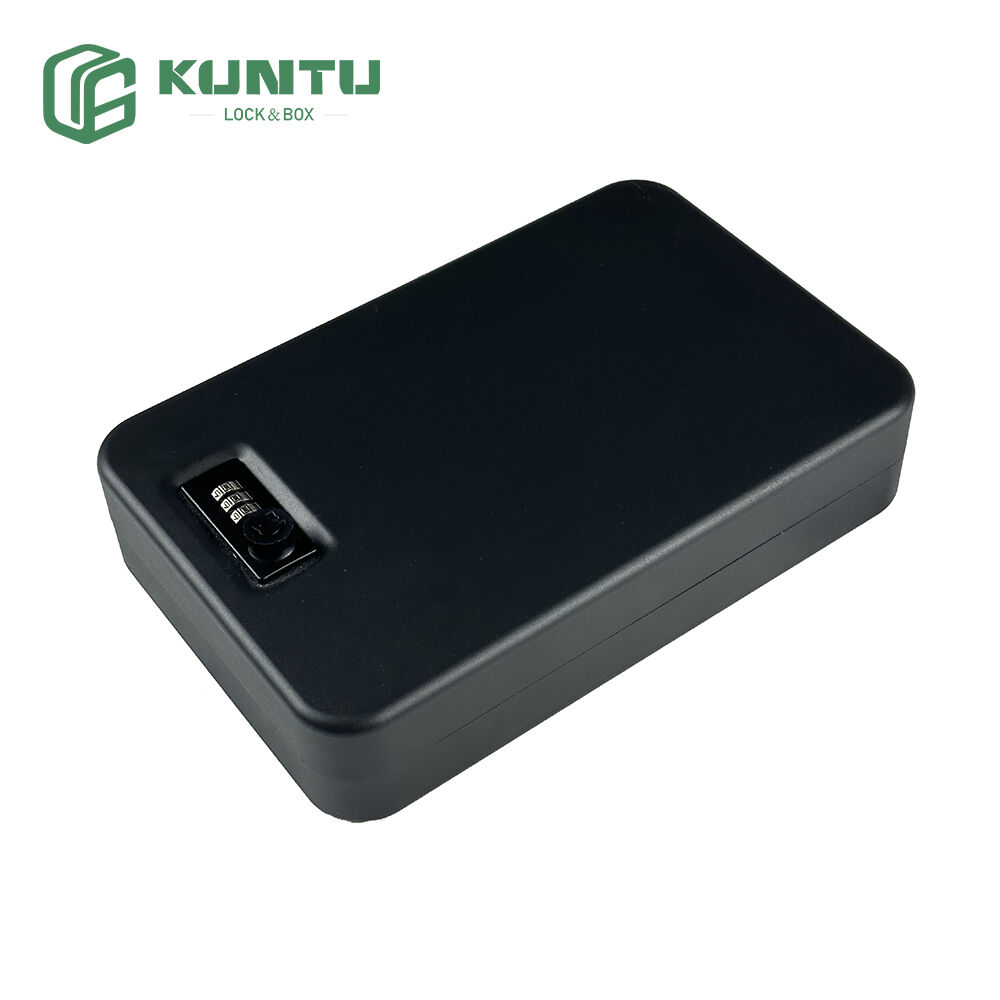
For larger valuables like laptops, cameras, or tablets, a secured portable personal safe is the ideal choice. These compact, durable safes are designed to be fastened to immovable furniture (wardrobes, dressers, or bed frames) using heavy-duty steel cables or bolts, preventing thieves from carrying the entire safe away. Constructed from thick steel with anti-pry edges and secure combination or key locks, they provide physical protection that hidden safes can’t match for bulkier items.
Most portable personal safes are designed for temporary installation, requiring no drilling or permanent damage to the rental property—critical for adhering to Airbnb rules. The steel cable is threaded through the safe’s integrated loops and wrapped around a sturdy piece of furniture, then locked in place. Some advanced models feature a steel plate that can be bolted to the inside of a closet (using removable anchors) for added stability. These safes are perfect for storing larger electronics and jewelry, as they combine portability with unyielding security—thieves can’t break into them quickly, and they can’t remove them without specialized tools.
How to Choose the Right Personal Safe for Your Vacation Home
Selecting the best personal safe depends on your valuables, the rental’s layout, and your security needs. Consider these key factors:
-
Size and Capacity: Hidden safes are best for small items (passports, cash), while secured portable safes accommodate larger gear (laptops, cameras). Measure your valuables to ensure a proper fit—avoid oversized safes that are hard to conceal or transport.
-
Disguise Quality: For hidden safes, opt for realistic designs with authentic details (e.g., book safes with printed spines, beverage safes with brand logos). Poorly disguised models will attract suspicion.
-
Security Features: Look for combination locks (no keys to lose) or biometric locks for quick access. Secured safes should have thick steel construction and cut-resistant cables to prevent tampering.
-
Portability: Choose a lightweight personal safe (2-5 pounds) that’s easy to pack in your luggage. Avoid heavy models that are cumbersome to transport between rentals.
-
Rental-Friendly Installation: Ensure portable safes use non-destructive mounting methods (cables, removable bolts) to avoid damaging the property and incurring fees.
Tips for Maximizing Personal Safe Effectiveness in Vacation Rentals
Even the best personal safe works better with smart usage habits. Follow these tips to enhance security:
-
Hide in Plain Sight: Place hidden personal safes in logical locations—book safes on bookshelves (not on top of the shelf), beverage safes in the pantry with other drinks, and plant pot safes near real plants.
-
Secure in Less Obvious Furniture: Fasten portable safes to furniture in closets or corners, rather than in the main living area. Thieves are less likely to search hidden corners of the rental.
-
Don’t Share Safe Details: Avoid mentioning the personal safe to rental hosts, cleaning staff, or other guests. Discretion is key to keeping valuables secure.
-
Use Both Types of Safes: Combine a hidden safe for small items and a secured portable safe for larger gear, creating a layered defense system.
-
Test Access Before Leaving: Ensure you can open the safe quickly (in case of emergency) and that it’s properly hidden or secured before heading out to explore.
The Peace of Mind of a Personal Safe
Investing in a personal safe is a small cost for the peace of mind it provides. For travelers, the ability to leave valuables secure while exploring a new destination eliminates a major source of stress, letting them focus on enjoying their vacation. For Airbnb hosts, recommending or providing a personal safe can enhance the guest experience, leading to positive reviews and repeat bookings.
Beyond theft prevention, a personal safe also protects valuables from accidental damage (e.g., spills, misplaced items) and keeps important documents (passports, travel insurance) organized and easily accessible. For frequent travelers, a portable personal safe is a reusable investment that works across hotels, vacation rentals, and even camping trips—providing consistent security wherever you go.
Conclusion: Personal Safes—The End of Vacation Theft Worries
The "empty city stratagem" of hiding valuables in vacation rentals is a risky game that no traveler needs to play. A personal safe—whether hidden as an everyday item or secured to furniture—provides a reliable, portable solution to protect cash, electronics, and important documents. By combining concealment and reinforcement, these safes deter thieves and let travelers explore with confidence. For anyone who values their valuables and their vacation peace of mind, a personal safe is an essential travel accessory that turns vulnerable rental spaces into secure havens.
Table of Contents
- The Vulnerability of Unsecured Valuables in Vacation Rentals
- Dual Defense: Hidden Personal Safes and Secured Portable Safes
- How to Choose the Right Personal Safe for Your Vacation Home
- Tips for Maximizing Personal Safe Effectiveness in Vacation Rentals
- The Peace of Mind of a Personal Safe
- Conclusion: Personal Safes—The End of Vacation Theft Worries