
 EN
EN
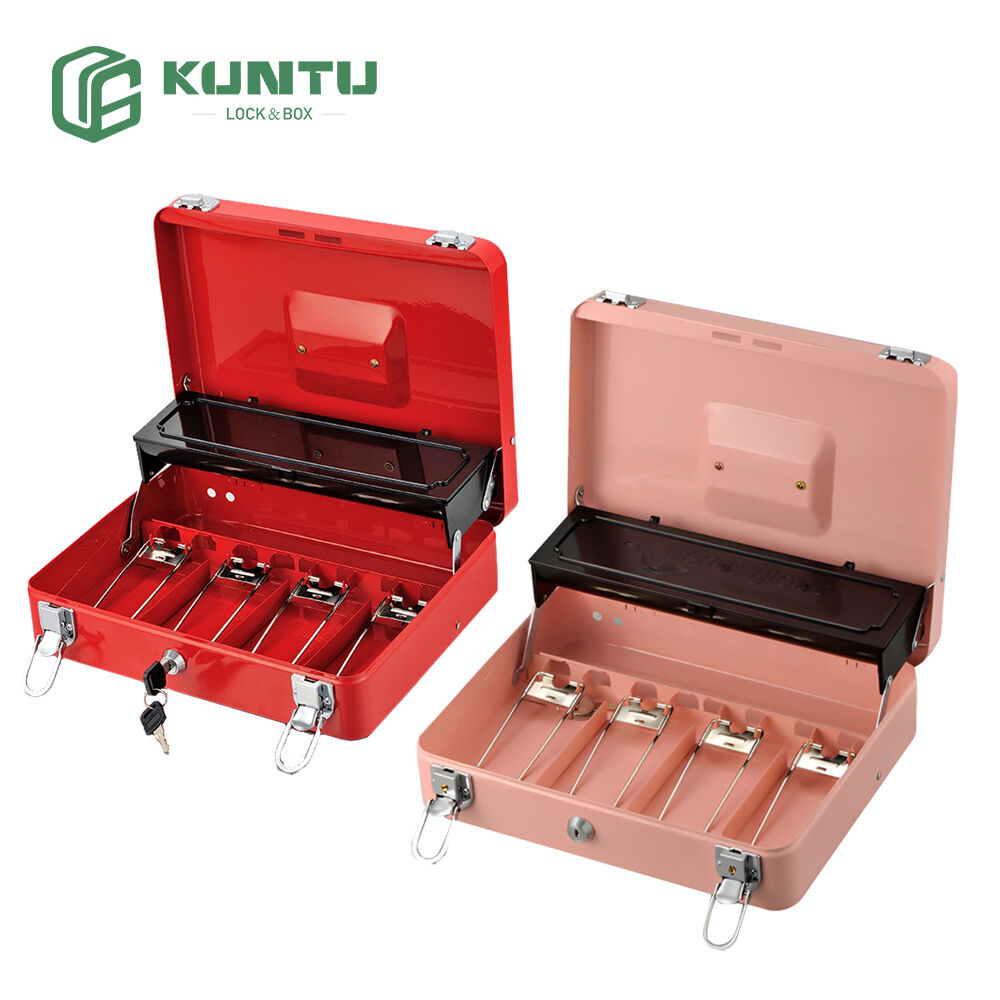
Entertainment venues such as casinos, arcades, and lottery outlets operate in an environment defined by extreme cash volume, frequent transactions, and elevated security risks. Casinos alone handle millions in cash daily across gaming tables, slot machines, and redemption counters, while lottery outlets and arcades face persistent threats of internal collusion, external robbery, and cash misappropriation. For these businesses, cash flow control is not just an operational task but a critical line of defense—one that requires specialized high-security cash box systems engineered to mitigate both internal and external risks. A purpose-built cash box system, featuring dual-lock access control, integrated audit tracking, and seamless escort company interfaces, emerges as the backbone of cash management in these high-stakes environments. This article explores how such systems fortify cash flow, prevent fraud and theft, and ensure compliance with industry regulations.
The Unique Cash Security Challenges of Entertainment Venues
Entertainment venues with high cash turnover face dual threats that set them apart from other industries: sophisticated internal collusion and targeted external robberies. Internal risks arise when staff collaborate to siphon cash—for example, casino dealers and cashiers conspiring to manipulate counts, or lottery outlet employees skimming proceeds before deposit. External threats include armed robberies targeting cash-rich areas like casino cages or lottery vaults, where thieves aim to seize large sums in a single heist. Compounding these risks, strict industry regulations mandate full transparency of cash flows, with detailed audit trails required to avoid fines or license revocation.
Traditional cash handling methods, such as single-lock cash boxes or manual counting, are woefully inadequate. They fail to prevent collusion (as a single employee can access cash), lack visibility into cash movements, and create bottlenecks during handover to escort companies. For entertainment venues, the solution demands a cash box system that combines physical security with digital tracking, ensuring no single individual controls cash at any stage and every transaction is traceable. The high-security cash box system, with its dual-lock design and integrated technology, addresses these gaps head-on.
Core Features of High-Security Cash Box Systems for Entertainment Venues
1. Dual-Lock Access Control: Preventing Internal Collusion
The cornerstone of the system is dual-lock control, which requires two authorized individuals to simultaneously unlock the cash box—eliminating the risk of single-person access and thwarting internal collusion. Each cash box is equipped with two independent locks, each linked to a separate access system (e.g., keycard, biometric, or PIN). For example, in a casino, a cash box may require both a cashier’s biometric scan and a supervisor’s keycard to open; in a lottery outlet, it could need a staff member’s PIN and a manager’s physical key.
This design ensures that cash handling is always a two-person process, with no individual able to access, alter, or remove cash without a witness. Some advanced systems incorporate anti-tampering mechanisms that trigger alerts if an attempt is made to bypass either lock (e.g., drilling, picking, or forced entry). The dual-lock feature also extends to cash box compartments, with separate sections for different cash streams (e.g., slot machine proceeds, table game winnings) each requiring dual authorization to access. By making collusion exponentially more difficult, this feature drastically reduces internal theft and fraud.
2. Integrated Audit Tracking: Full Visibility of Cash Movements
To meet regulatory requirements and enhance accountability, high-security cash box systems integrate advanced audit tracking capabilities, often via RFID or weighing modules. Each cash box is fitted with an RFID tag that logs every interaction—including who accessed the box, when, for how long, and which compartment was opened. This data is automatically synced to a central cash management system, creating a real-time, immutable audit trail.
Integrated weighing modules add an extra layer of precision to this audit trail: the cash box automatically weighs its contents at every access point, cross-referencing the measured weight with expected amounts from POS or gaming systems in real time. Any discrepancy—whether an overage or shortage—is flagged immediately, enabling managers to investigate and resolve issues before they escalate into fraud or compliance violations. For lottery outlets, RFID counting modules work in tandem with these weighing tools to track individual lottery ticket serial numbers alongside cash, ensuring full reconciliation of sales, redemptions, and proceeds. This seamless blend of digital tracking and physical verification not only deters fraudulent activity but also simplifies regulatory audits, as venues can quickly generate detailed, immutable cash flow reports to satisfy oversight bodies.
3. Armored Car Interface: Seamless, Secure Handover to Armored Car Companies
Transferring cash to and from armored car companies is a high-risk process for entertainment venues, and the cash box system is engineered with a dedicated armored car interface to streamline this process. Each cash box features a standardized mounting mechanism and secure handover point that aligns with armored car company vehicles and equipment, allowing for quick, contactless transfer without exposing cash.
Before handover, the cash box is sealed with a tamper-evident, RFID-tagged seal that only authorized escort personnel can break—creating a clear barrier against external tampering and internal foul play. The seal’s RFID tag syncs instantly with both the venue’s central system and the escort company’s platform, verifying the box’s identity and confirming it remains untampered during transit. Upon arrival at the destination (e.g., a bank or central vault), the seal is scanned and broken, with the cash box’s audit trail automatically updated to reflect successful handover—closing the loop on cash flow visibility. Some advanced systems further enhance security with built-in GPS tracking for the cash box during transit, providing real-time location updates to venue managers and security teams. This end-to-end secured interface minimizes robbery risks during handover and upholds an unbroken chain of custody, a critical safeguard against both external heists and internal collusion.
4. Anti-Robbery and Physical Security Design
Beyond internal controls, the cash box itself is built to withstand external robbery attempts, with heavy-gauge steel construction, anti-pry edges, and bullet-resistant panels (for high-risk venues like casinos). The box is designed to be fire-resistant, protecting cash from damage in the event of arson or accidental fire. For added security, some models feature a "man-trap" design: if the box is forced open, a hidden mechanism locks down the cash compartments, making it impossible for thieves to remove cash quickly.
The cash box also integrates seamlessly with the venue’s broader security ecosystem, triggering silent alarms if tampering, forced entry, or unauthorized access attempts are detected. These alarms simultaneously alert on-site security personnel, local law enforcement, and the escort company (if the box is in transit), ensuring a rapid, coordinated response to neutralize threats. For arcades and lottery outlets with limited on-site security resources, this rugged design and alarm integration serve as a standalone defense system—deterring robberies, disrupting active theft attempts, and providing critical time for authorities to intervene, all while reinforcing the box’s role as a frontline barrier against external risks.
Scenario-Specific Applications of Cash Box Systems
Casinos
Casinos require cash box systems that handle high volumes across multiple locations (gaming floors, cages, redemption centers). Dual-lock cash boxes with RFID tracking are used to transport cash from slot machines to the main cage, with each transfer requiring a dealer and a security guard’s authorization. The escort interface allows for secure handover to armored cars, with GPS tracking and tamper-evident seals ensuring cash safety during transit to banks. Weighing modules reconcile cash amounts with gaming system data, identifying discrepancies from slot machine malfunctions or human error.
Arcades
Arcades, with their scattered coin and cash collection points (game machines, ticket redemption counters), benefit from compact dual-lock cash boxes with integrated RFID counting. Staff and managers must jointly access the boxes to collect cash and tickets, with the audit trail logging each collection. The boxes are designed to be mounted securely to game machines or counters, preventing theft of the entire box. The escort interface simplifies weekly cash deposits, with tamper-evident seals ensuring cash integrity during handover.
Lottery Outlets
Lottery outlets handle large cash volumes from ticket sales and prize redemptions, requiring cash box systems that track both cash and tickets. Dual-lock boxes with RFID modules track individual lottery ticket serial numbers alongside cash, ensuring full reconciliation of sales. The weighing module verifies cash amounts against POS data, flagging any discrepancies from prize redemptions or skimming. The escort interface allows for secure transfer of cash and unsold tickets to regional lottery offices, with tamper-evident seals and audit trails ensuring compliance with lottery regulations.
Regulatory Compliance and Business Value
For entertainment venues, compliance with industry regulations is non-negotiable. High-security cash box systems simplify compliance by providing detailed audit trails, dual-authorization records, and tamper-evident documentation—all required by regulatory bodies (e.g., gaming commissions, lottery authorities). This reduces the risk of fines, license suspension, or revocation, protecting the venue’s ability to operate.
Beyond compliance, the system delivers tangible business value. It reduces cash loss from theft and fraud by up to 90%, according to industry data, preserving profit margins. The integrated tracking and weighing modules streamline cash reconciliation, cutting administrative time by 40% and allowing staff to focus on customer service. The seamless escort interface reduces handover time and robbery risk, lowering security costs. For multi-location venues, the central management system provides consistent cash control across all sites, simplifying oversight and training.
Conclusion: The Cash Box System as a Security Backbone
Entertainment venues operating with high cash volumes and elevated risks require more than just basic cash storage—they need a comprehensive security system that controls cash flow from collection to handover. The high-security cash box system, with its dual-lock control, integrated audit tracking, and escort interface, serves as this backbone, preventing internal collusion and external robbery while ensuring regulatory compliance. By combining physical ruggedness with digital visibility, it empowers venues to manage cash with confidence, protect their assets, and focus on delivering exceptional customer experiences. In the high-stakes world of entertainment venues, this system is not just an investment in security—it’s an investment in long-term survival and success.