
 EN
EN
For most travelers, hotel room safes are seen as a reliable haven for valuables—cash, passports, laptops, and jewelry—while exploring a new destination. Yet this sense of security is often illusory. Hotel safes are plagued by overlooked vulnerabilities: universal override codes shared among staff, outdated locks susceptible to picking, and management gaps that leave access logs unmonitored. Burglars and even unscrupulous hotel employees can easily bypass these safes, turning a supposed "secure" space into a risk. The solution lies in taking control of your own security: ditching over-reliance on hotel safes, mastering smart hidden storage techniques, and investing in a portable personal safe secured with a steel cable. This article reveals the risks of hotel safes and shares essential tips and tools to create a truly secure personal space during your travels.
The Hidden Risks of Hotel Room Safes
Hotel safes are designed for convenience, not maximum security—and their flaws are well-known to those looking to exploit them. One of the biggest risks is universal override codes. Many hotels use default or easily guessable codes (such as 1234, 0000, or the hotel’s room number) to access safes if guests forget their passwords. These codes are often shared among front desk staff, housekeepers, and maintenance teams, creating multiple points of potential misuse. Even when hotels change override codes, they may be leaked or reused across rooms, leaving valuables exposed.
Mechanical and electronic vulnerabilities add to the risk. Older safes with key locks can be picked with basic tools, while electronic models may have weak locking mechanisms that can be jammed or bypassed. Additionally, most hotels do not maintain detailed access logs for safes, making it impossible to trace who accessed the safe if valuables go missing. A 2025 travel security survey found that 22% of travelers who reported stolen valuables had stored them in hotel safes, highlighting the need for a more reliable solution.
3 Hidden Storage Tips for Travelers (Beyond Hotel Safes)
1. Hide Valuables in "Boring" Everyday Items
Thieves target obvious hiding spots—drawers, nightstands, and suitcases. Instead, use common, unappealing items to create discreet hiding places. For small valuables like cash or jewelry, repurpose empty toiletry bottles (shampoo, lotion), hollowed-out hairbrushes, or unused shoe boxes. These items blend into hotel room clutter and are rarely inspected by thieves, who are looking for quick, high-reward targets. For added secrecy, seal toiletry bottles with waterproof tape to avoid accidental opening and place them at the back of the bathroom cabinet.
2. Utilize Furniture and Room Features
Hotel rooms are full of underutilized, hard-to-reach spaces that thieves ignore. Slide small items behind the back panel of a TV stand, tuck them between the mattress and box spring (near the headboard, where it’s hard to reach), or place them inside the hollow legs of a desk or chair (if accessible). For larger items like tablets, use the space between stacked luggage or inside a folded bathrobe in the closet—thieves are unlikely to rummage through bulky, non-valuable items.
3. Keep Valuables "On the Move" (When Possible)
For extremely valuable items, the safest place is often with you. Use a hidden travel belt or neck pouch to carry cash, passports, and credit cards while out exploring. When in the room, keep these items on your person or in a small bag that stays within sight. This eliminates the risk of leaving valuables unattended, even for short periods. For items you can’t carry, combine this tip with a portable personal safe for layered protection.
The Must-Have Tool: Portable Personal Safe with Steel Cable
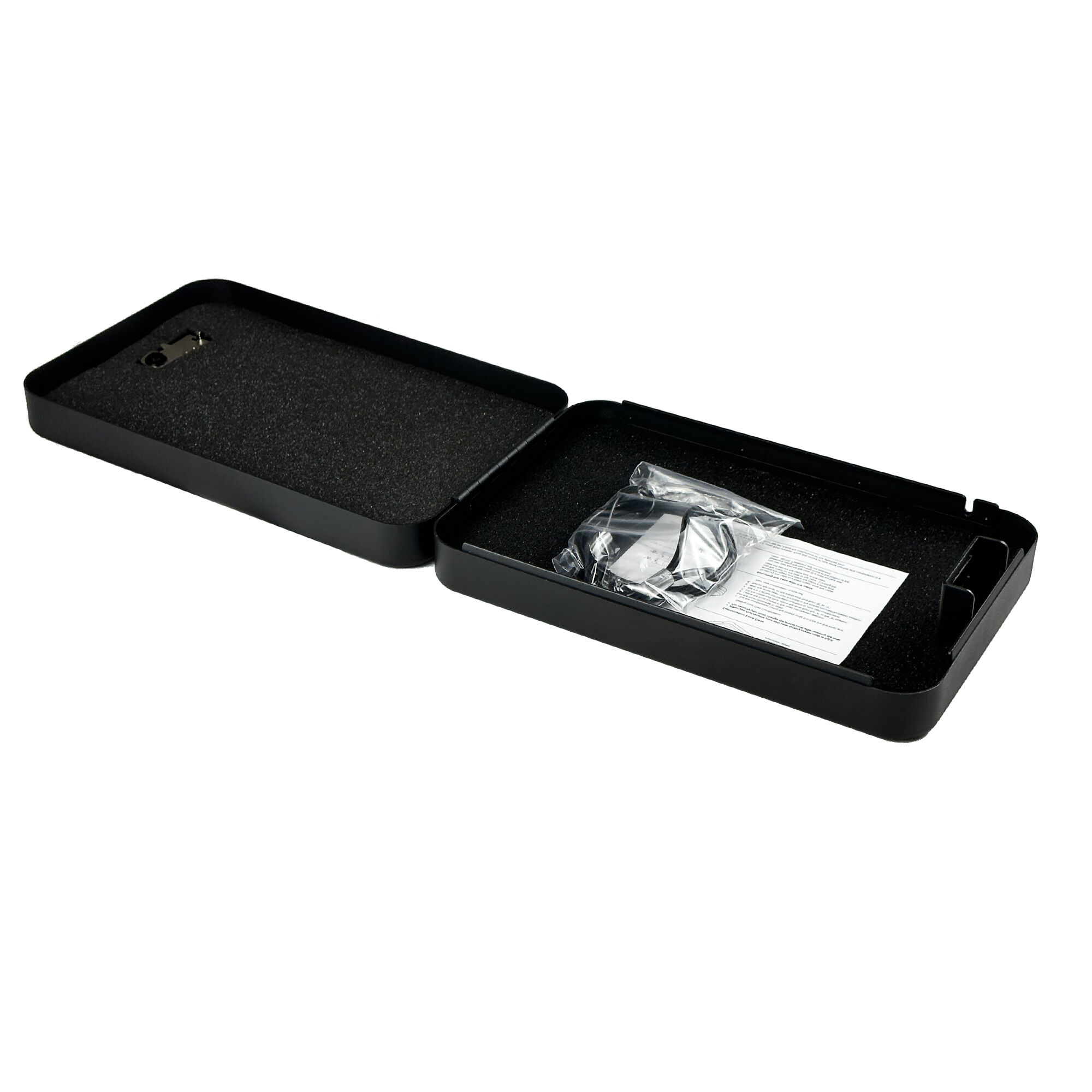
While hidden storage tips add a layer of security, the only way to guarantee protection for valuables like laptops, cameras, and jewelry is a portable personal safe paired with a steel cable. Unlike hotel safes, this tool is fully controlled by you, with no override codes or shared access. High-quality portable personal safes are compact, lightweight (2-4 pounds), and designed to fit in luggage, making them easy to transport between destinations.
The key feature of this tool is its integrated steel cable—typically 4-6 feet long and cut-resistant— which allows you to secure the safe to immovable furniture in the hotel room. Thread the cable through the safe’s reinforced loops, wrap it around a sturdy object (bed frame, desk leg, or closet rod), and lock it in place. Thieves cannot carry the safe away without cutting the cable—a time-consuming task that requires specialized tools and risks drawing attention. Most personal safes feature combination or biometric locks, ensuring only you can access the contents, and are constructed from thick steel with anti-pry edges to resist forced entry.
How to Choose the Right Personal Safe for Travel
Not all personal safes are created equal—look for these key features to match your travel needs:
-
Cut-Resistant Steel Cable: Opt for a cable made of braided steel with a thick gauge (10mm or more) to resist bolt cutters. Ensure the cable is detachable for easy packing when not in use.
-
Compact, Lightweight Design: Choose a safe that fits in your carry-on luggage (typically 8x6x3 inches or smaller) and weighs under 5 pounds to avoid adding excess bulk.
-
Reliable Locking Mechanism: Combination locks are ideal (no keys to lose), while biometric locks offer quick access with a fingerprint. Avoid basic key locks, which are easier to pick.
-
Durable Construction: Look for a steel body with anti-pry edges and a scratch-resistant finish to withstand travel wear and tear.
-
Water-Resistant Seal: A rubber gasket around the lid protects valuables from accidental spills (e.g., in the bathroom or from water bottles) during your stay.
Maximizing Security: Combine Tips and Tools
For ultimate protection, use a portable personal safe alongside the hidden storage tips above. Store larger valuables (laptops, cameras) in the secured personal safe, while tucking small items (cash, jewelry) in hidden spots around the room. This layered approach ensures that even if one method is compromised, your valuables remain protected. Additionally, avoid drawing attention to your security measures—keep the personal safe out of sight (e.g., in a closet or under the bed) and do not discuss your hiding spots with hotel staff or other guests.
Before leaving the room, double-check that the personal safe is securely fastened to furniture and that hidden items are properly concealed. This takes just a few minutes but provides peace of mind knowing your valuables are safe while you explore.
Conclusion: Take Control of Your Travel Security
Hotel room safes are a false sense of security—relying on them leaves your valuables vulnerable to staff misuse, burglary, and mechanical failures. By mastering simple hidden storage tips and investing in a portable personal safe with a steel cable, you create a customized, reliable security system that puts you in control. A personal safe is a small, reusable investment that pays off in peace of mind, letting you focus on enjoying your travels rather than worrying about your valuables. For every traveler who values their belongings, this tool is not a luxury—it’s a necessity.