
 EN
EN
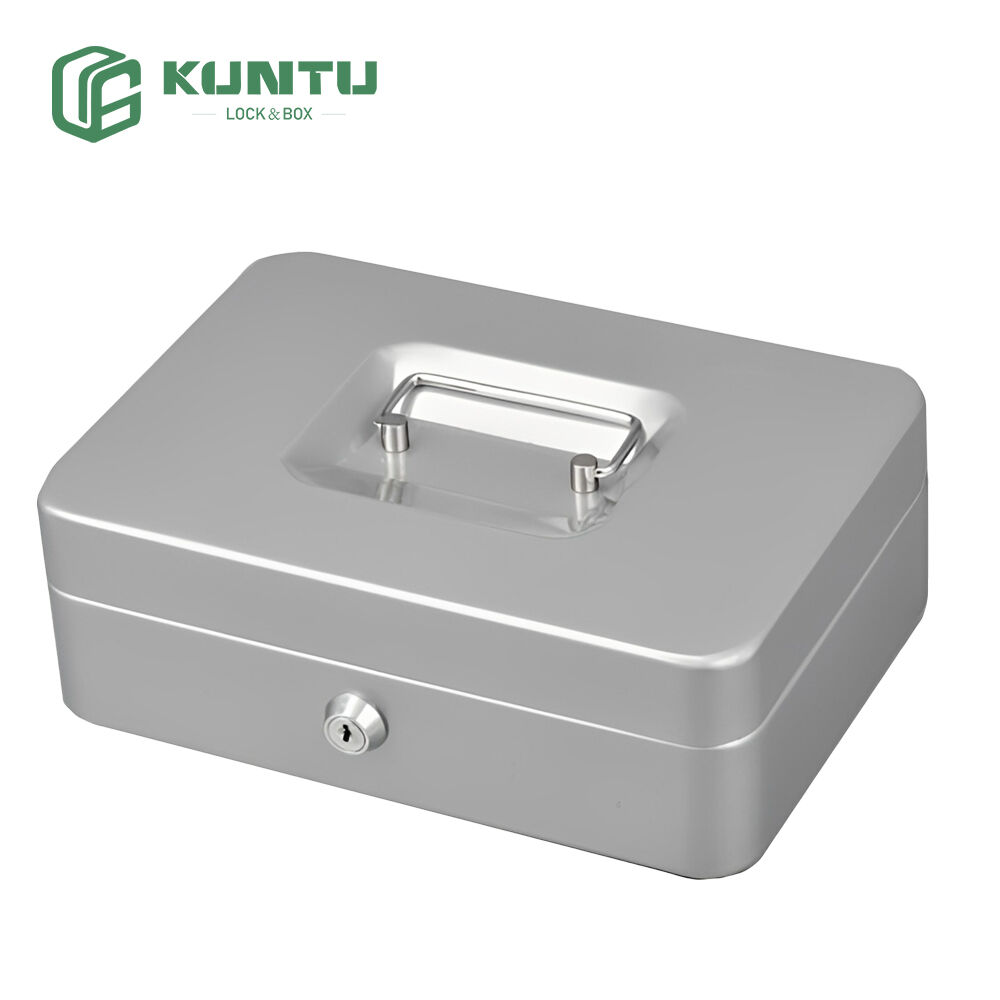
Restaurants, cafes, and quick-service eateries operating on multi-shift schedules face a unique operational challenge: cash handover between morning, afternoon, and evening teams. Chaotic shift changes—marked by miscounted cash, blurred revenue boundaries, missing receipts, and unrecorded adjustments—often lead to bitter disputes between staff, delayed closing settlements, and hidden losses from errors or misuse. For food service operators, these issues erode team trust, waste valuable labor hours, and create operational inefficiencies that eat into profit margins. The solution lies in a purpose-built shift-change cash box—equipped with partitioned liners, integrated handover checklists, and secure locking mechanisms—that transforms cash handover from a chaotic afterthought into a streamlined, transparent process. This article explores how specialized cash boxes resolve multi-shift cash management pain points, fostering accountability, trust, and efficiency in food service operations.
The Cost of Chaotic Cash Handovers in Multi-Shift Eateries
Multi-shift food businesses rely on seamless cash transitions to maintain operational integrity, but traditional handover methods—using generic cash drawers or unorganized containers—fall short. Disputes arise when cash totals don’t align with POS records, and without clear separation of shift revenues, it’s impossible to pinpoint whether discrepancies stem from the incoming or outgoing team. A 2025 food service operations report found that 72% of multi-shift cafes and restaurants experience weekly cash handover disputes, with each incident consuming 30-60 minutes of management time to resolve. Beyond disputes, inefficient handovers delay closing procedures: staff spend hours recounting cash, cross-referencing receipts, and reconciling differences, rather than focusing on cleaning, restocking, or preparing for the next shift.
Worse, vague handover processes create opportunities for internal theft or accidental errors. When cash from multiple shifts is mixed in a single drawer, skimming or miscounts go undetected, and staff may feel unfairly accused of discrepancies. This erodes team morale and trust, leading to higher turnover—a costly issue in the tight labor market of food service. A specialized cash box addresses these problems by creating clear boundaries between shifts, documenting every transfer, and simplifying reconciliation.
Key Features of a Shift-Change Cash Box for Restaurants
1. Partitioned Liners: Separate Revenue by Shift and Category
The defining feature of a shift-change cash box is its segmented interior, designed to keep cash from different shifts, payment types, and adjustments completely separate. Removable partitioned liners divide the box into dedicated compartments—for example, one section for the outgoing shift’s cash receipts, another for the incoming shift’s starting float, and smaller slots for coupons, discount vouchers, and petty cash. Some advanced models include color-coded liners (e.g., blue for morning shifts, red for evening shifts) to visually distinguish between periods, eliminating the risk of mixing funds.
This separation is critical for accurate reconciliation: at shift change, staff only need to count the compartment assigned to their shift, rather than sifting through a jumble of cash from multiple periods. For example, the outgoing team counts their revenue compartment, verifies it against their POS sales total, and locks it before handing over the cash box. The incoming team then confirms the starting float in its dedicated section, ensuring it matches the required amount for making change. This clear segmentation eliminates ambiguity and reduces the risk of disputes by assigning distinct ownership to each shift’s funds.
2. Integrated Handover Checklists and Documentation Pockets
Transparent documentation is the foundation of dispute-free cash handovers, and shift-change cash boxes streamline this with built-in checklists and document storage. The box features a designated pocket (often waterproof to protect against spills) for a standardized handover form, which includes fields for: shift start/end times, outgoing/incoming staff names, cash total (broken down by denomination), POS sales total, coupon/discount adjustments, petty cash usage, and notes on discrepancies or issues.
At the end of their shift, the outgoing team fills out the form, attaches supporting receipts, and places it in the document pocket. They then review the cash total with the incoming team, who verifies the amount, signs the form, and initials each section to confirm accuracy. This signed document serves as a legally binding record of the handover, resolving disputes by providing a clear paper trail. Some cash boxes even include duplicate checklist pads, allowing both teams to keep a copy for their records. By integrating documentation into the cash box itself, the process becomes intuitive and consistent, ensuring no steps are skipped.
3. Secure Locking Mechanisms and Access Control
To maintain accountability, shift-change cash boxes feature secure locks that restrict access to authorized staff only. Options include keyed locks (with unique keys for each shift supervisor), combination locks, or even keypad locks with individual PINs for outgoing and incoming teams. This ensures that once the outgoing team locks their revenue compartment, it cannot be accessed without authorization—preventing tampering or adjustments after the handover is complete.
Some models include dual-lock systems, requiring both the outgoing and incoming staff to unlock the box together, ensuring the handover is witnessed and verified by both parties. The cash box itself is constructed from heavy-gauge steel with anti-pry edges, protecting cash from theft and damage. For cafes or restaurants with bar areas, spill-resistant seals around the lid prevent liquid damage to cash and documents, ensuring the box holds up to the harsh environment of food service operations.
Streamlined Shift Change Process with a Specialized Cash Box
Implementing a shift-change cash box transforms the handover process into a fast, consistent workflow that takes just 10-15 minutes, compared to 30+ minutes with traditional methods. Here’s how the process works in practice:
-
Pre-Shift Preparation: The opening team receives the cash box with a pre-counted starting float in its dedicated compartment. They verify the float, sign the checklist, and begin their shift—using the box’s petty cash section for small purchases like emergency supplies.
-
Mid-Shift Cash Management: Throughout the shift, staff deposit cash and receipts into their shift’s designated compartment, keeping coupons and discounts separate in the adjustment slot. This maintains organization and reduces end-of-shift chaos.
-
End-of-Shift Reconciliation: The outgoing team counts their revenue compartment, matches it to the POS sales total, and notes any adjustments (e.g., voided transactions, discounts) on the checklist. They attach receipts, lock their compartment, and prepare the starting float for the next shift in its section.
-
Handover Verification: The incoming team reviews the checklist, verifies the outgoing revenue and incoming float, and signs off on the handover. Both teams keep a copy of the checklist, and the cash box is secured in a back-office safe until the next shift change.
The Business Benefits of Shift-Change Cash Boxes
Investing in specialized cash boxes delivers tangible benefits for multi-shift restaurants and cafes, extending beyond dispute resolution:
-
Faster Settlements: Streamlined handovers reduce closing time by 50% or more, allowing staff to complete end-of-shift tasks faster and management to finalize daily sales reports sooner.
-
Improved Team Trust: Clear accountability and transparent documentation eliminate accusations of theft or error, fostering a more positive work environment and reducing turnover.
-
Reduced Losses: Segmented storage and secure locks minimize the risk of internal theft and accidental miscounts, preserving profit margins.
-
Simplified Audits: The built-in documentation creates a complete audit trail, making it easy to review shift revenues, identify trends, and resolve discrepancies quickly.
-
Consistent Operations: Standardized handover processes ensure consistency across all shifts, reducing errors from new hires and simplifying training.
Conclusion: Cash Boxes as the Foundation of Multi-Shift Restaurant Efficiency
For multi-shift restaurants and cafes, cash handover doesn’t have to be a source of conflict and delay. A specialized shift-change cash box—with partitioned liners, integrated checklists, and secure locks—turns this critical process into a strength, eliminating disputes, accelerating settlements, and building trust among teams. By creating clear boundaries between shifts, documenting every transfer, and simplifying reconciliation, the cash box becomes the backbone of efficient, accountable multi-shift management. In an industry where every minute and dollar counts, this small investment delivers significant returns, allowing food service operators to focus on what matters most: serving customers and growing their business.
Table of Contents
- The Cost of Chaotic Cash Handovers in Multi-Shift Eateries
- Key Features of a Shift-Change Cash Box for Restaurants
- Streamlined Shift Change Process with a Specialized Cash Box
- The Business Benefits of Shift-Change Cash Boxes
- Conclusion: Cash Boxes as the Foundation of Multi-Shift Restaurant Efficiency