
 EN
EN
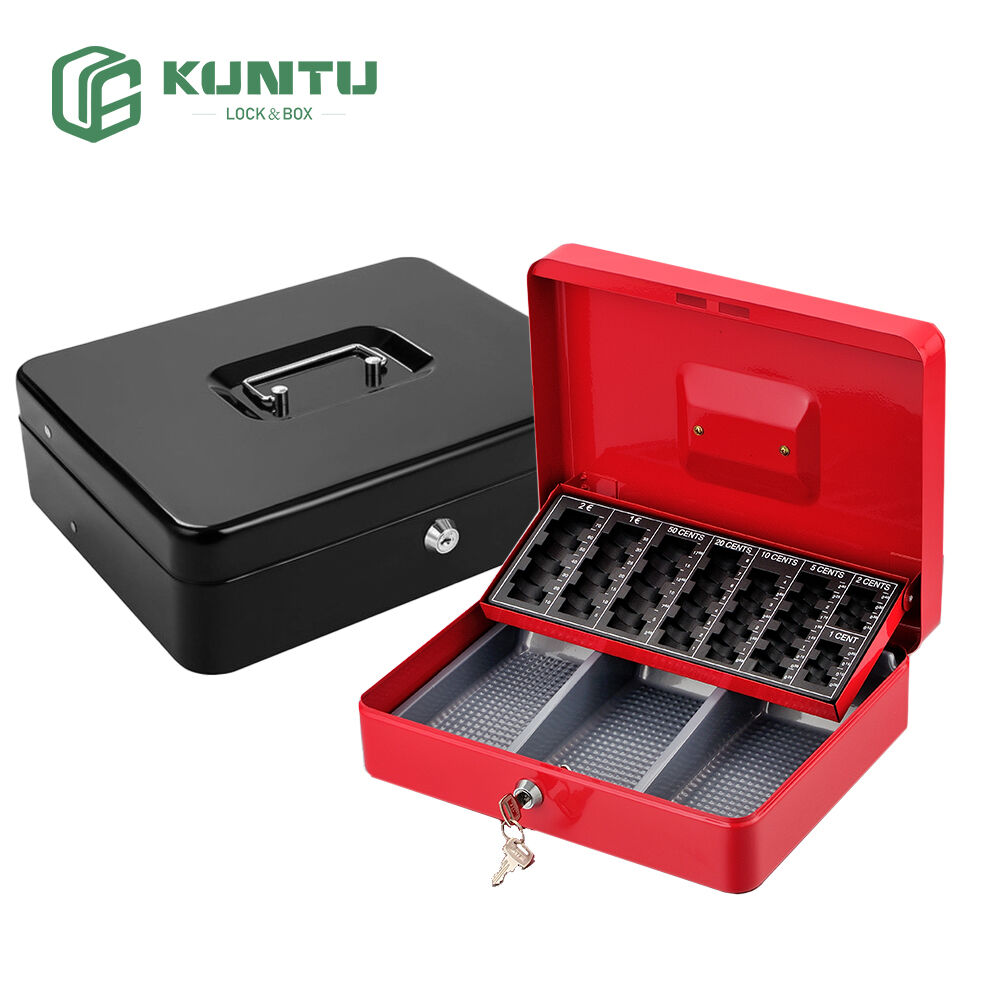
Mobile businesses—from weekend market stalls and trade show booths to roving food trucks—are thriving as consumers crave unique, on-the-go experiences. Yet these dynamic, temporary setups come with a critical vulnerability: cash security. Small business owners operating in these environments face constant risks, from opportunistic theft by passersby to brazen robberies targeting cash-rich stalls. Unlike brick-and-mortar stores with permanent security systems, mobile businesses need portable, robust solutions that adapt to diverse locations while providing professional-grade protection. A purpose-built cash box—engineered to be lightweight, shatterproof, and equipped with secure fixing points and anti-theft features—emerges as the ultimate cash security fortress for these scenarios. This article explores how such cash boxes address the unique challenges of mobile commerce, safeguarding earnings and empowering small business owners to focus on growth.
The Unique Cash Security Risks of Mobile Business
Mobile businesses operate in unpredictable, public environments with minimal structural security, making them prime targets for theft. Markets and exhibitions are crowded with pedestrians, creating distractions that allow thieves to slip away with cash boxes or pilfer from open registers. Food trucks, often parked in high-traffic areas with staff focused on food preparation, face risks of "grab-and-run" robberies or unauthorized access to cash storage during peak hours. Compounding these risks, mobile entrepreneurs must balance security with portability—bulky, heavy safes are impractical for transporting between locations, while flimsy cash containers offer little protection against force or impact.
A 2025 survey of mobile business owners found that 58% have experienced cash theft, with average losses exceeding $800 per incident— a devastating blow for small operations with tight profit margins. Traditional cash boxes, designed for indoor use, fail to address these risks: they lack fixing points to prevent theft of the entire box, are easily damaged by drops or impacts during transport, and offer no anti-robbery features. For mobile businesses, the solution requires a cash box that merges portability with industrial-grade security.
Core Features of a Cash Box for Mobile Business Security
1. Lightweight & Shatterproof Construction for Portability and Durability
Mobility is non-negotiable for mobile businesses, so the cash box must be lightweight enough to carry between locations (ideally 2-5 pounds) without sacrificing durability. Premium models use high-impact polymer or reinforced aluminum—materials that are 30% lighter than steel but resistant to drops, dents, and scratches. The shatterproof design ensures the box remains intact even if accidentally knocked over at a market stall or during food truck transit, protecting cash and valuables inside.
The interior of the cash box is lined with shock-absorbent foam to cushion cash, coins, and small electronics (like card readers or spare phones) from vibrations during transport. Some models feature a water-resistant seal around the lid, protecting contents from rain, spills (critical for food trucks), or accidental splashes at outdoor markets. This combination of light weight and ruggedness makes the cash box a reliable companion for mobile entrepreneurs, adapting to the rigors of frequent transport and outdoor use.
2. Secure Fixing Points & Steel Cable Lock Compatibility
Preventing theft of the entire cash box is a top priority for mobile businesses, and this is achieved through integrated fixing points and steel cable lock compatibility. The cash box is equipped with reinforced D-rings or threaded mounting holes—strategically placed on the sides or bottom—allowing it to be securely fastened to a fixed structure: a food truck’s counter, a market stall’s frame, or a trade show booth’s display rack.
For maximum flexibility, most models work with a 10-12mm braided steel cable lock (sold separately or as a bundle). The cable is threaded through the cash box’s fixing points and wrapped around a sturdy object, then locked with a key or combination. This setup deters grab-and-run theft, as thieves cannot easily remove the box without cutting through the heavy-duty cable— a time-consuming task that draws attention in crowded public spaces. For food truck owners, some cash boxes can even be bolted to the interior countertop, creating a permanent yet discreet security anchor.
3. Anti-Robbery Features: Delay Opening & Tamper Alerts
Professional-grade cash boxes for mobile businesses incorporate anti-robbery features to deter and disrupt theft attempts. A critical feature is delay opening— a built-in mechanism that requires the user to enter the correct combination or key and wait 10-30 seconds before the box unlocks. This delay prevents robbers from forcing quick access to cash, buying time for staff to alert nearby vendors, security personnel, or law enforcement. Some advanced models include a silent alarm that triggers when the delay is bypassed or incorrect codes are entered repeatedly, sending alerts to a connected mobile device.
Tamper-evident features further enhance security: the cash box leaves visible marks (scratching or lock damage) if someone attempts to pry it open, providing evidence for insurance claims or police reports. Dual-lock systems— requiring both a key and combination to open— add an extra layer of protection, ensuring no single staff member can access cash without authorization. These features transform the cash box from a simple storage container into a proactive anti-theft tool.
4. Practical Design for Mobile Operations
Beyond security, the cash box must support the fast-paced workflow of mobile businesses. A partitioned interior with removable trays organizes cash by denomination, coins, receipts, and small valuables (like keys or SIM cards), speeding up transactions and end-of-day reconciliation. The tray is designed for one-handed access, allowing staff to quickly retrieve change during busy periods without compromising security.
The lid of the cash box often features a stay-open hinge, keeping it propped open during transactions to avoid repeated opening and closing. For low-light environments (evening markets or indoor exhibitions), some models include a backlit keypad for easy combination entry. The compact size (8-10 inches in length) ensures the cash box fits on narrow market stalls or food truck counters without taking up valuable workspace, while a carrying handle (integrated into the lid) simplifies transport between locations.
Scenario-Specific Cash Box Recommendations
Markets & Flea Markets
Prioritize a lightweight (2.5-pound) cash box with steel cable lock compatibility and a shatterproof polymer body. The compact design (8x6x3 inches) fits on small stalls, while the partitioned interior organizes cash and receipts. Opt for a model with a delay opening feature and a visible security cable to deter opportunistic theft. Pair it with a portable battery-powered alarm for added peace of mind in crowded, unmonitored areas.
Exhibitions & Trade Shows
Choose a sleek aluminum cash box (3 pounds) with a lockable removable tray and tamper-evident seals. The fixing points allow it to be fastened to exhibition booth frames, while the water-resistant seal protects cash from accidental spills (e.g., coffee or water bottles). A dual-lock system (key + combination) ensures secure access for multiple staff members, and the backlit keypad is ideal for dimly lit exhibition halls.
Food Trucks
Select a heavy-duty reinforced cash box (4 pounds) with bolt-down fixing points for permanent installation on the countertop. The shatterproof aluminum body resists impacts from kitchen tools, while the spill-resistant seal protects against food or beverage splashes. A 30-second delay opening feature is critical for deterring robberies during peak service, and the large interior compartment accommodates cash, card readers, and spare phone chargers.
The Business Value of a Secure Cash Box for Mobile Entrepreneurs
Investing in a purpose-built cash box delivers more than just security—it protects the livelihood of mobile business owners. By reducing theft risk, entrepreneurs avoid costly losses that could derail their operations. The time saved on worrying about cash security can be redirected to serving customers and growing the business. Additionally, a professional cash box enhances the business’s credibility, signaling to customers that the owner takes operations seriously.
For insurance purposes, using a certified anti-theft cash box may lower premiums, as it demonstrates proactive risk management. The durability of the cash box also ensures long-term value, with most models lasting 3-5 years of frequent use— a cost-effective solution compared to replacing cheap, flimsy cash containers annually. For small business owners operating on tight budgets, the cash box is a small but essential investment in business resilience.
Conclusion: The Cash Box as a Mobile Business Essential
Mobile businesses thrive on flexibility and adaptability, but these strengths should not come at the cost of cash security. A lightweight, shatterproof cash box with fixing points, anti-robbery features, and practical design serves as the ultimate security fortress for markets, exhibitions, and food trucks. It empowers small business owners to operate with confidence, knowing their hard-earned cash is protected against theft and damage. In the competitive world of mobile commerce, the right cash box is more than an accessory—it’s a critical tool for survival and success.