
 EN
EN
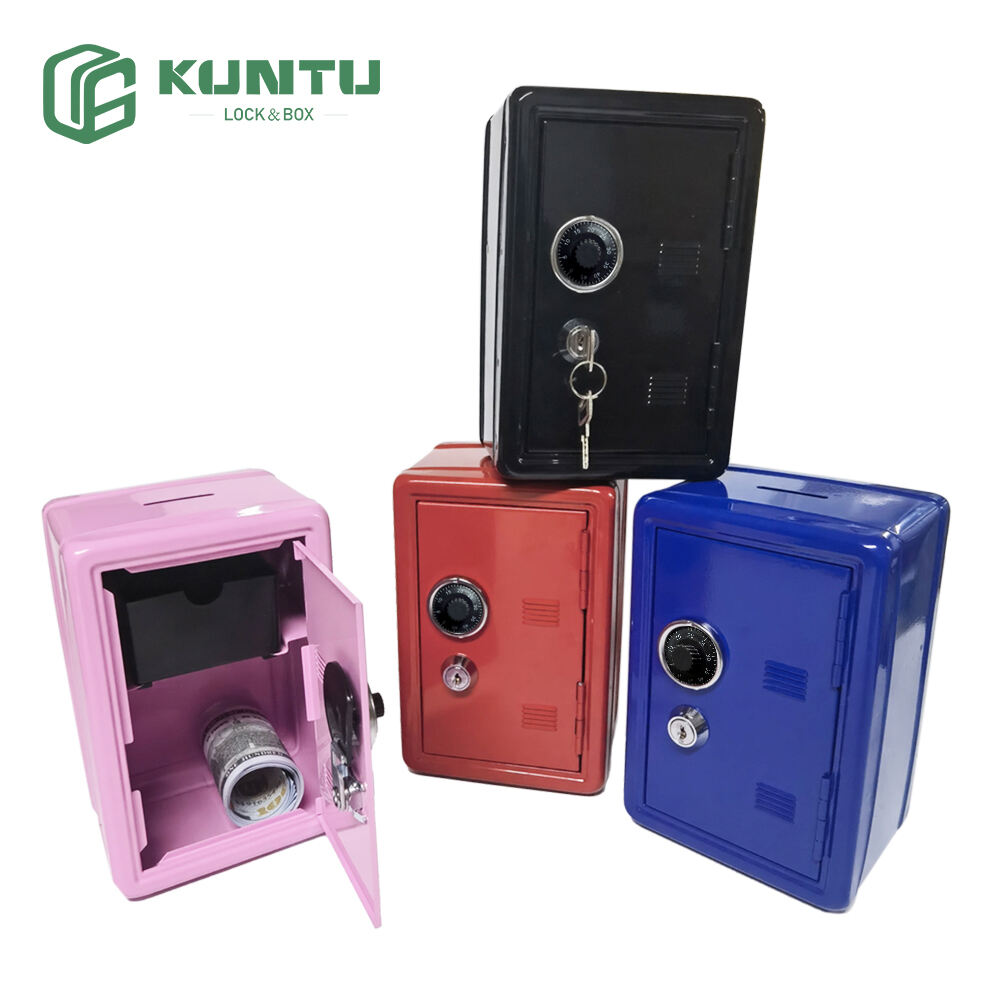
Why Property Managers Need Purpose-Built Safe Boxes
Managing rental properties comes with serious security headaches when dealing with multiple units spread out over different locations. Standard lockboxes just aren't cutting it anymore because they leave property portfolios vulnerable to problems like copied keys, stolen documents, and all sorts of legal troubles. Regular lockboxes work fine for quick access needs, but safe boxes made specifically for this purpose offer something completely different. They have construction that shows if someone has tampered with them, keep detailed records of who accessed what and when, and allow different levels of access control. These boxes are a must for keeping things like master keys, original lease agreements, tenant identification papers, and cash deposits safe in places where tenants come and go constantly. According to industry research, buildings that stick with ordinary storage containers experience about three times as many security issues each year compared to those with proper safe boxes. The difference? Features such as fingerprint scanners and compartments that can withstand fires make all the difference. Beyond preventing theft from inside the company, these safes also make life easier during inspections by auditors. Property managers spend less time on paperwork headaches and their valuable assets stay protected around the clock.
Key Control: Secure Key Storage with Audit-Ready Safe Boxes
Limiting Risk with Tamper-Evident, Access-Logged Key Safe Boxes
When someone tries to get into restricted areas without permission, tamper evident designs make it obvious right away. At the same time, digital systems automatically record who accessed what and exactly when they did it. This two pronged approach lets property managers keep track of everything needed for those pesky compliance checks. Looking at how people actually use these systems over time can spot weird stuff like someone showing up late at night or trying multiple times to gain entry. And if a key ever disappears, the system shows who had it last before going missing. According to Facility Management Association data from 2023, this kind of tracking cuts down on problem solving time by about three quarters. For buildings that see lots of outside contractors coming and going, having both physical signs of tampering plus digital records really lowers legal risks and makes everyone involved take responsibility seriously.
Electronic vs. Mechanical Safe Boxes for Rental Key Management
Electronic safe boxes support dynamic access control via programmable PINs, biometrics, or mobile credentials, with automatic audit logging and remote permission updates through property management systems (PMS). Mechanical alternatives rely on physical keys or combinations, lacking digital trails and requiring manual rekeying or logbook tracking. Key distinctions include:
| Feature | Electronic Safe Boxes | Mechanical Safe Boxes |
|---|---|---|
| Audit Capabilities | Automated access logs | No inherent tracking |
| Access Updates | Instant remote modifications | Physical rekeying required |
| Duplication Risk | Credential-based security | Key copying vulnerability |
| Power Dependency | Battery or wired options | No power needed |
For high-turnover portfolios, electronic models deliver superior security and scalability despite higher upfront investment; mechanical units remain viable for single-unit backups during extended outages.
Document & Asset Protection: Fire-Resistant and Access-Controlled Safe Boxes
Safeguarding Leases, IDs, and Financial Records in Multi-Unit Portfolios
Property managers with multiple rental units need solid security solutions for all those important papers they collect every month. We're talking about signed lease agreements, copies of government ID cards from tenants, and various financial documents that must stay protected at all times. The best fire resistant safes on the market today can handle extreme heat conditions well beyond what most buildings experience during actual fires. These UL rated boxes maintain internal temperatures below damaging levels even when outside temps hit over 1400 degrees Fahrenheit for half an hour straight. Plus there are special waterproof seals built right in to protect against water damage from unexpected floods or plumbing failures. Many modern safes now come equipped with digital locks that let different staff members access specific files based on their job roles. This kind of setup creates detailed logs showing who accessed what and when, which helps meet requirements under privacy regulations such as GDPR and local data protection rules. Real world tests show these specialized safes save around 98 out of every 100 documents during emergencies, while regular office cabinets barely manage to preserve one out of five items. For anyone managing PII (personally identifiable information) across many properties, investing in proper document storage isn't just about following the law anymore it's actually turning a potential liability into something tangible that adds real value to their business operations.
Integration and Scalability: Choosing the Right Safe Box for Your Portfolio Size
When it comes to property management, matching safe box solutions to the size of the portfolio is really important so security keeps pace with growth. For smaller properties with just a handful of units, maybe 1 to 10 at most, standalone lockboxes work okay. But things get complicated when dealing with larger portfolios, say around 50 units or more. That's where networked systems with API capabilities become necessary. These advanced setups let managers handle everything from one place, automatically track access logs, and grant permissions remotely. The benefits are huge actually. Not only does this reduce mistakes made by people, but it also cuts down on all the paperwork and back and forth communication that eats up so much time in day to day operations.
When to Upgrade from Lockboxes to Networked Safe Box Systems (1–10 vs. 50+ Units)
Lockboxes work okay for places where people don't need access very often in one spot, but when trying to manage lots of properties at once, they start falling apart operationally. The whole point of going digital is getting rid of those pesky key handovers between staff members. With networked systems, managers can actually see who accessed what and when in real time. Plus these systems let property managers set different permission levels for everyone from janitors to potential renters scattered all over town. When looking at properties with more than fifty units or so, most companies find that switching to this kind of system saves them around seventy percent on average waiting time for keys. And nobody wants to deal with missing keys anymore anyway. Old school mechanical locks create major headaches whenever tenants move out or new ones move in. Electronic options just make everything smoother since maintenance crews, housekeeping staff, and leasing agents can all coordinate their access needs while leaving an audit trail behind them.
Seamless Sync with PMS and Smart Lock Platforms via API-Enabled Safe Boxes
Safe boxes that connect via API work right alongside top property management systems (PMS) and smart lock networks. They sync all those reservations and lease details to create temporary access codes automatically. No more mistakes from people typing in PINs manually, and we get this thing called dynamic provisioning going on too. Think about it: when a cleaner needs access for just one day, the system generates a code linked to their actual work order. The security logs then show up straight in the regular PMS dashboard, which means less running around for compliance reports and easier audits down the road. And here's something interesting - certain platforms will actually send out maintenance warnings if someone tampers with the box. Suddenly what was just a storage unit becomes part of the bigger security picture across the whole property portfolio.
FAQ
Why are purpose-built safe boxes essential for property managers?
Purpose-built safe boxes are essential because they provide tamper-evident construction, detailed access records, and various access control levels, ensuring the security of keys, documents, and other valuables.
What are the benefits of electronic safe boxes over mechanical ones?
Electronic safe boxes offer automated access logging, instant remote access updates, and credential-based security, providing more advanced features compared to mechanical boxes.
How do fire-resistant safe boxes protect documents in emergencies?
Fire-resistant safe boxes are UL-rated to withstand extreme heat, maintaining internal temperatures below damaging levels, and are equipped with waterproof seals to protect against floods or plumbing failures.
When should property managers consider upgrading to networked safe box systems?
Property managers should consider upgrading when managing larger portfolios of around 50 or more units to enable better access tracking, reduced communication errors, and improved operational efficiency.