
 EN
EN
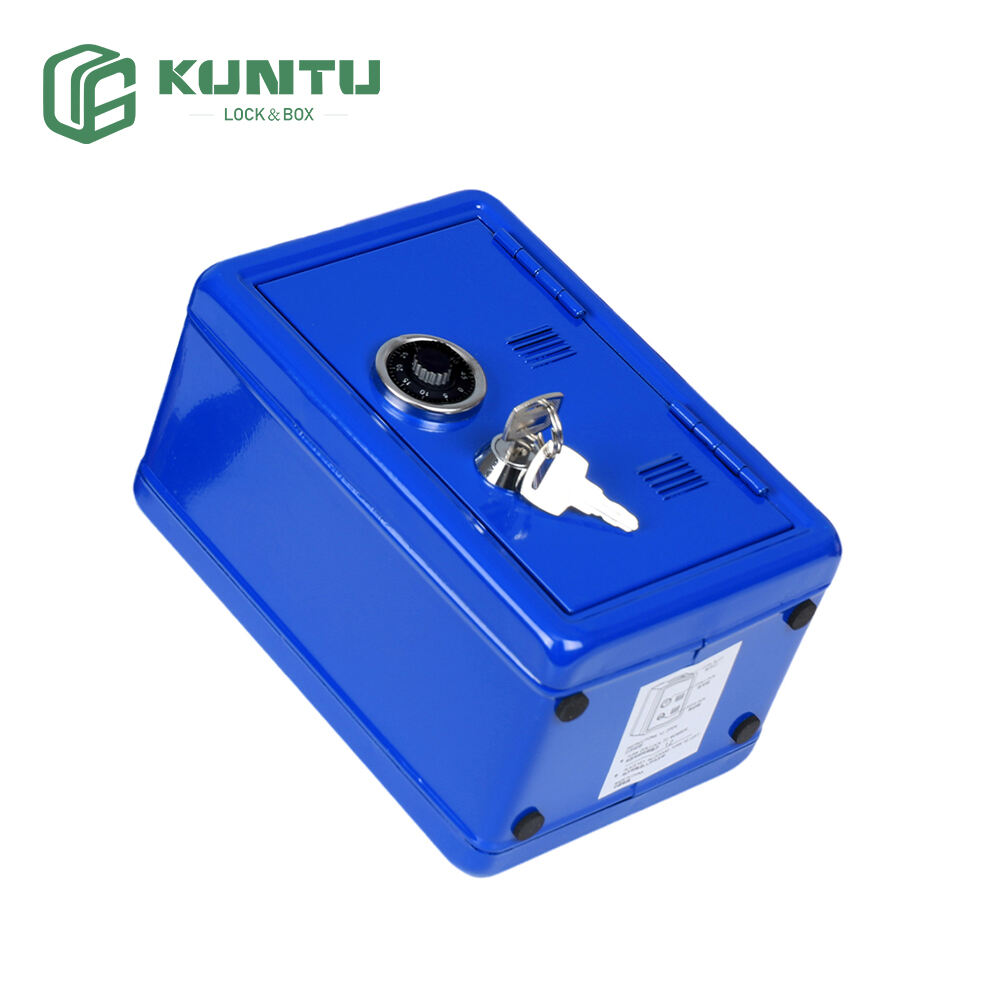
Understanding Safe Box Types and Core Use Cases
Fireproof, Wall-Mounted, and Biometric Safe Boxes for Residential and Small-Business Threat Models
Picking out a good safe involves matching what it can do physically with what actual threats might look like in reality. Fireproof safes that meet the EN 1047-1 standard can handle heat way over 1,400 degrees Fahrenheit for around two hours straight. That kind of protection is really important if someone lives somewhere wildfires are common. Wall mounted options make stealing harder because they blend into walls and aren't obvious targets. Biometric safes have become pretty popular too since they let people get in quickly without fumbling with keys when there's an emergency situation going on, which makes them great for storing guns safely. For small business owners looking at security solutions, reinforced drop slots matter a lot. These slots stop would be thieves from reaching inside with tools (what folks call fishing attacks) so cash can be handled securely without having to open the whole safe door every time money needs to go in or come out.
Common Residential Applications: Jewelry, Firearms, Medications, and Sensitive Documents
Households rely on safe boxes to mitigate four distinct risks:
- Jewelry/valuables: Burglary-resistant models with relocking mechanisms resist forced extraction
- Firearms: Biometric quick-access units balance immediate usability with robust security
- Medications: Locking compartments reduce accidental ingestion and opioid diversion risks
- Documents: Fire-rated units preserve deeds, passports, and financial records
Small businesses apply similar principles—securing cash reserves, client data, and controlled substances using commercial-grade safes compliant with insurance mandates. Proper selection and installation help avoid preventable losses, which exceed $500,000 annually for unprepared owners.
Critical Security Features That Validate a Safe Box’s Reliability
UL-Certified Fire and Impact Resistance, Tamper Alerts, and Biometric Lock Integrity
When it comes to fireproofing and resisting physical attacks, UL certification still stands as the top mark of quality. Safes that pass the UL 72 Class 125 test can handle temperatures above 1,700 degrees Fahrenheit for an hour straight, all while keeping inside temps under 350 degrees so important papers and digital stuff stay safe. Some models also get special ratings for earthquakes, like the UL Class 50 designation which helps protect against shaking damage. Today's biometric locks are getting smarter too, with features like GSM jamming detectors to fight signal interference problems. According to recent studies, about 94 percent of security breaches actually happen when people ignore or disable tamper alerts instead of breaking into the lock itself (Ponemon Institute report). Many high end safes now come with advanced 3D fingerprint scanning plus old school mechanical overrides just in case technology fails. For anyone serious about security, checking for UL certification is still probably the best way to know if a safe really delivers on its promises.
Physical Hardening: Anti-Drill Plates, Relocking Mechanisms, and Tamper-Resistant Hinge Design
What really sets high security safes apart from regular consumer models is their structural reinforcement. These safes feature hardened steel anti drill plates, usually around 10mm thick with carbide tips, which protect the lock cylinder area. This design stops those rotary tools that thieves often use against this weak spot, something that works for about two thirds of all break ins according to industry reports. When the main bolts get damaged somehow, multi point relocking systems kick in and activate backup bolts automatically. Some models even have internal glass panels that actually set off the locking mechanism when they break. The hinges on these safes are built differently too, with internal mounting pins that stop criminals from just pulling out the hinge pins, a trick that works in over 80% of hinge related thefts as per recent penetration tests. All these features work together with continuous welding techniques and special concrete fill materials to satisfy the strict UL Tool Resistance standards, giving real protection against various ways people might try to get inside.
How to Choose the Right Safe Box: Size, Certification, Installation, and Insurance Compliance
Picking out the right safe involves juggling several factors that all affect each other. Start by looking at how much space you'll need inside. Don't forget to leave room for future stuff too - maybe around 25% extra space makes sense for most folks. What people actually store varies quite a bit. Small valuables like rings and watches might fit into something roughly half a cubic foot, but if someone wants to keep guns or important documents safe, they'll probably need somewhere between three and five cubic feet of space. Going too big can actually be a problem since larger safes stand out more and might attract unwanted attention. On the flip side, getting something too small just pushes the problem elsewhere when there's no room left inside.
The actual effectiveness of a product is pretty much tied to whether it has proper certification. When shopping around, look for those UL ratings specifically for fire resistance (UL 72 Class 350/125) and against break-ins (UL 687). These ratings mean the item has been put through its paces in controlled testing environments to meet certain safety standards. Take UL Class 350 as a case in point. This rating ensures that inside temperatures won't climb past 350 degrees Fahrenheit during a fire situation, which stops important documents from turning to charcoal. Products without these certifications haven't gone through independent testing by anyone outside the manufacturer. Experience shows they tend to let people down badly when faced with actual emergencies instead of just lab conditions.
Professional installation is non-negotiable for threat mitigation. Floor-anchored units installed in basements or load-bearing walls resist prying far better than closet-mounted alternatives. Wall-mounted safes require steel-gusseted framing—not drywall anchors—to deter extraction. Avoid locations near plumbing, HVAC ducts, or exterior walls where moisture or temperature swings degrade components.
Insurance compliance determines claim eligibility. Most providers require specific certifications—commonly UL Class 350—for reimbursement of high-value items like documents or jewelry. Document your safe’s model, certification labels, and installation photos, then submit them to your insurer to verify coverage and potentially qualify for premium reductions.
| Consideration | Key Metrics | Risk Mitigation |
|---|---|---|
| Size | Interior cubic feet + 25% growth margin | Prevents overflow and forced external storage |
| Certification | UL fire/burglary ratings | Validates performance under standardized stress tests |
| Installation | Anchor bolt depth (>3 inches) + concealed placement | Thwarts rapid physical removal |
| Insurance | Provider’s required certification level | Ensures claim eligibility for valuables |
Safe Box Lock Technologies Compared: Security, Usability, and Long-Term Integrity
Key, Mechanical Combination, Electronic Keypad, and Biometric Locks — Evaluating Attack Surface and Daily Utility
Choosing the optimal lock requires weighing intrusion risk, daily convenience, and long-term resilience. Four primary technologies serve distinct roles:
- Traditional key locks offer simplicity but introduce physical vulnerabilities—duplicate keys or lock-picking tools can bypass them in seconds.
- Mechanical combination dials eliminate keys entirely and withstand extreme heat, EMPs, and battery failure—ideal for long-term archival storage.
- Electronic keypads deliver fast, customizable access via PIN, yet depend on power and circuit integrity; battery depletion or corrosion can cause permanent lockout.
- Biometric scanners (fingerprint-based) provide fastest entry with minimal user effort—but suffer false rejection rates of 8–15% (DoD 2023), especially with aging or injured fingers.
| Lock Type | Tampering Vulnerability | Daily Convenience | Lifespan |
|---|---|---|---|
| Key | High (physical attacks) | Moderate | 5–10 years |
| Mechanical Dial | Low | Low (slow access) | 20+ years |
| Electronic Keypad | Medium (digital hacking) | High | 7–12 years |
| Biometric | Low (physical) | Very High | 3–8 years |
Steel built mechanical systems just plain hold up better against drilling attempts and forced entry methods. While electronic and biometric security solutions make it easier to get in and out multiple times throughout the day, they come with their own headaches. We're talking about batteries that need replacing, regular firmware updates, and sensors that drift out of calibration over time. These things demand constant attention from whoever's responsible for maintenance. When it comes to securing firearms, nothing beats good old fashioned mechanical dial locks for reliability. For important papers that need quick access but also proper record keeping, dual authentication electronic locks work pretty well. Medication storage areas benefit from biometric scanners since staff can grab what they need fast during emergencies. Still worth having those mechanical backup keys around though, just in case something goes wrong with the electronics.
Frequently Asked Questions (FAQ)
What are the main types of safes mentioned?
The article discusses fireproof, wall-mounted, and biometric safes.
Why is UL certification important?
UL certification verifies a safe's fireproofing and physical attack resistance, ensuring reliability in emergencies.
How does professional installation protect a safe?
Proper installation, such as anchoring to load-bearing walls, prevents easy extraction by thieves.
What types of locks are compared in the article?
Traditional key locks, mechanical combination dials, electronic keypads, and biometric scanners are examined for security and usability.
Table of Contents
- Understanding Safe Box Types and Core Use Cases
- Critical Security Features That Validate a Safe Box’s Reliability
- How to Choose the Right Safe Box: Size, Certification, Installation, and Insurance Compliance
- Safe Box Lock Technologies Compared: Security, Usability, and Long-Term Integrity
- Frequently Asked Questions (FAQ)