
 EN
EN
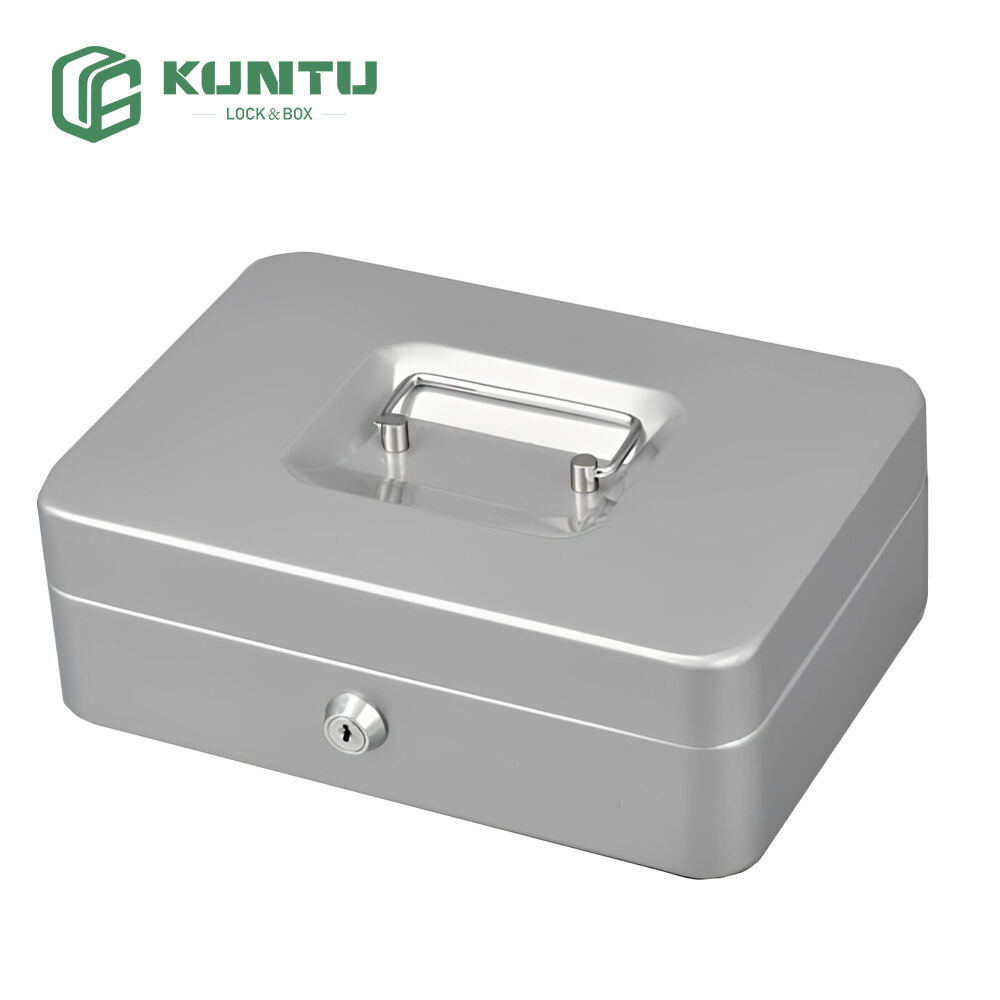
Burglary Resistance: Decoding UL 687 and EN 1143-1 Ratings for Industrial Safe Box Performance
What UL 687 Class Levels and EN 1143-1 Grades Actually Mean for Real-World Protection
The UL 687 and EN 1143-1 standards set the benchmark for how resistant safes are to burglary attempts, based on actual tests done in independent labs rather than what manufacturers say about their products. Let's look at UL 687 first. This standard sorts industrial safe boxes into three different classes. Class I means the safe can hold out for at least five minutes against basic hand tools. Moving up to Class II gives protection for ten minutes when someone tries drilling or using impact tools. The highest level, Class III, offers thirty minutes of resistance even against power tools, oxy-fuel torches, and heavy impact devices. On the other side of things, EN 1143-1 works with grades ranging from 0 all the way up to XIII. Each step represents longer time before breach and better defense against more advanced equipment. Take Grade VIII+ as an example—it needs to withstand attacks from diamond-tipped drills and thermal cutting tools for over sixty minutes straight. These security ratings matter a lot for insurance purposes too. Most business insurance policies won't cover valuables worth more than half a million dollars unless they're stored in safes meeting at least UL 687 Class II requirements or EN 1143-1 Grade IV standards.
Time-to-Compromise Data: How Attack Method (Drill, Torch, Impactor) Impacts Industrial Safe Box Integrity
The real power of an attack isn't so much about brute strength as it is about how well the materials in a safe can handle different ways energy gets transferred during breaches. Thermal lances cut through regular steel safes pretty fast usually around 8 to 12 minutes give or take. But when those safes have borosilicate reinforced alloys, they hold out much longer between 25 and 40 minutes because these materials spread out the heat and don't oxidize easily. Diamond core drills can punch through 15mm mild steel in about twenty minutes or so, though ceramic hardened composite doors really slow things down to somewhere between 45 and 60 minutes. These doors actually break the drill bits apart and soak up the kinetic energy from the drilling action. For impact tools like sledgehammers, the design matters a lot. The way hinges are positioned and how doors bend under pressure makes a big difference. That's why many high security safes now feature recessed doors with two hinges and extra strong strike plates at the points where locks connect. Industrial grade safe boxes that pass certification tests typically combine multiple layers including hardened steel, borosilicate glass, and ductile cast iron. The goal here isn't just to block one particular tool type, but rather to make every common method of breaking in significantly less effective at the same time.
| Attack Method | Standard Steel (Time) | Reinforced Composite (Time) |
|---|---|---|
| Thermal Lance | 8-12 minutes | 25-40 minutes |
| Diamond Core Drill | 15-20 minutes | 45-60 minutes |
| 20-lb Sledgehammer | 5-8 minutes | 15-25 minutes |
Fire Resistance: Matching Industrial Safe Box Insulation to Asset Sensitivity (Documents vs. Digital Media)
UL 72 Class 350 vs. EN 1047-1 S60/S120 Why Media Requires Higher Thermal Lag Protection
Fire protection doesn't work the same for everything. Paper starts breaking down at around 175 degrees Celsius, but computer storage devices like hard drives and SSDs actually fail much sooner, typically above just 50 degrees because their magnetic parts get messed up and the solder melts away. The UL 72 Class 350 rating ensures document safes can keep inside temps below about 177 degrees for an hour even when outside temps hit nearly 927 degrees in a fire test. That's good enough to protect paper from damage. On the other hand, European standards EN 1047-1 S60DIS and S120DIS set different requirements for protecting digital media. These standards require safe interiors to stay below 50 degrees for either 60 minutes or 120 minutes respectively during testing at over 1,000 degrees. The big difference here matters a lot. Regular materials like gypsum board or concrete simply aren't up to the task. They take too long to absorb heat and don't have any kind of active cooling system built in. So even if papers survive intact after a fire, important digital information might still be lost completely.
Composite Insulation Breakthroughs: How Modern Industrial Safe Box Designs Extend 90-Minute Fire Survival
The latest generation of insulation brings together both passive and active approaches to thermal control. Ceramic microspheres arranged in layers can bounce back about 40 percent more radiant heat compared to traditional fill materials. Meanwhile, when temperatures reach around 300 degrees Celsius, exfoliated vermiculite starts releasing water that's chemically locked inside, which creates a cooling reaction within the enclosure itself. When combined with high density intumescent seals and vacuum insulated panels, all these components work together to maintain structural strength even above 1000 degrees Celsius. They also triple the amount of time before heat transfers through the material. Independent testing has shown that premium industrial safes meet the strict EN 1047-1 S120DIS standards. These safes keep internal temperatures below 48 degrees Celsius for nearly two hours during extreme furnace tests at 1200 degrees. This means one storage unit can safely house both paper documents and sensitive electronic equipment without risking damage from fire exposure.
Regulatory & Industry Compliance: Ensuring Your Industrial Safe Box Meets HIPAA, GDPR, and Audit Requirements
When it comes to storing sensitive stuff like protected health info (PHI), personal identifiers (PII), or financial documents, industrial safes need to be more than just places to put things away. They actually have to function as real security barriers. According to HIPAA's Security Rule found at 45 CFR §164.312, organizations must implement what they call "physical safeguards." This includes controlling who gets into facilities, setting rules about how workstations are used, and keeping track of system activity through audits for anything dealing with PHI. The European Union's GDPR takes similar approach in Article 32 by demanding proper technical and organizational steps to keep data confidential, intact, and accessible when needed, which naturally includes physically securing storage areas. Regulators look very seriously at situations where access isn't logged properly, lacks authentication mechanisms, or shows signs of potential tampering because these represent serious compliance issues. Across different industries subject to regulation, certain key characteristics become essential requirements for maintaining data protection standards.
- Tamper-evident access logs with cryptographic timestamping
- Multi-factor user authentication (e.g., biometric + PIN)
- Hardware-enforced encryption for embedded digital storage modules
Third-party audits verify these capabilities—and documentation retention, access monitoring, and log integrity are routinely scrutinized. Non-compliance carries real consequences: HIPAA penalties average $150 per compromised record (HIPAA Journal, 2023), while GDPR fines can reach €20 million or 4% of global annual revenue (Regulation (EU) 2016/679).
Smart Integration: Connecting Industrial Safe Box Systems to CCTV, Access Control, and IoT Security Ecosystems
ONVIF/PSIA API Support and Encrypted Audit Logging for Unified Security Operations
Industrial safe boxes today work more like connection points within enterprise security systems rather than just standalone devices. These safes come equipped with native ONVIF Profile T and PSIA compliant interfaces that let them play nice with major video management systems, access control setups, and security information and event management tools. When someone tries to force open a safe, the system automatically directs nearby cameras to zoom in on the area, locks other doors in the vicinity, and sends warnings straight to the security team's control room. What really makes these systems stand out is their encrypted audit trail feature. Every time something happens at the safe, the system creates a digital signature and timestamps it so nobody can alter records later. It captures who was there, where they stood, what device they used, and exactly what occurred – think things like successful biometric unlocks or when tamper switches get triggered. This combination of working well with other systems and strong encryption standards meets both day-to-day security needs and legal documentation requirements all at once, which is pretty impressive for one piece of hardware.
FAQ
What are UL 687 and EN 1143-1 ratings?
UL 687 and EN 1143-1 are standards that classify the burglary resistance of industrial safe boxes based on lab tests. They provide valuable benchmarks indicating how long safes can withstand various types of attacks.
Why is fire resistance important for industrial safes?
Fire resistance is crucial to protect both paper documents and digital media from high temperatures during a fire. Different standards ensure safes can maintain lower internal temperatures to prevent damage.
How do industrial safes comply with regulatory requirements?
Compliance involves implementing physical safeguards such as access logs, authentication mechanisms, and hardware-enforced encryption to protect sensitive information and meet legal regulations like HIPAA and GDPR.
How do industrial safes integrate with security systems?
Modern industrial safes connect seamlessly with CCTV, access control, and IoT ecosystems. They support APIs for unified security operations and provide encrypted audit logs for comprehensive security and documentation.
Table of Contents
- Burglary Resistance: Decoding UL 687 and EN 1143-1 Ratings for Industrial Safe Box Performance
- Fire Resistance: Matching Industrial Safe Box Insulation to Asset Sensitivity (Documents vs. Digital Media)
- Regulatory & Industry Compliance: Ensuring Your Industrial Safe Box Meets HIPAA, GDPR, and Audit Requirements
- Smart Integration: Connecting Industrial Safe Box Systems to CCTV, Access Control, and IoT Security Ecosystems
- FAQ