
 EN
EN
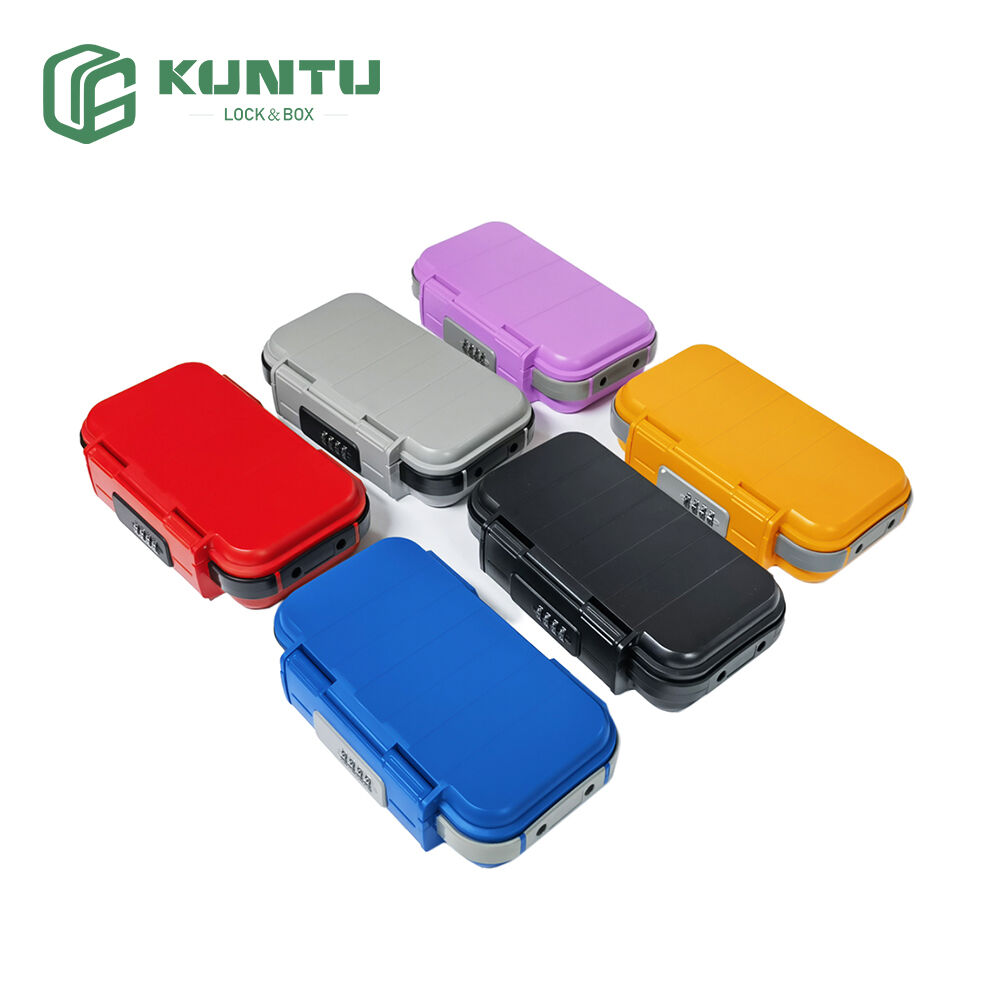
Why Weatherproofing Is the Foundation of a True Portable Safe Box
IP67 and IP68 Ratings Demystified: What They Mean for Real-World Outdoor Use
Getting familiar with IP ratings matters when we want to know how well a portable safe box actually holds up against weather stuff. The IP67 rating basically means it can handle dust completely and survive being submerged in water about a meter deep for half an hour. That should cover most situations like heavy downpours, walking through muddy paths, or if someone accidentally drops it in a shallow stream. Then there's IP68 which goes even further by allowing continuous submersion deeper than one meter according to what the manufacturer specifies. This kind of protection becomes really important during activities such as crossing rivers, going on kayak trips, or dealing with flood conditions that last longer than expected. But here's something to keep in mind folks: these ratings don't stop condensation from forming when temperatures change quickly, like when bringing gear from cold mountain air straight into a warm, damp tent. So manufacturers often include extra features specifically designed to manage moisture alongside these standard protections.
Field tests back this up pretty convincingly. Take a look at gear labeled waterproof but without proper IP certification - after just six months out there in the wild, around 23% start showing problems with their seals and overall structure. That means most stuff claiming to be waterproof simply doesn't hold up over time. When something carries IP67 or IP68 certification, it's not just some fancy marketing trick either. These ratings actually represent the minimum standard needed to keep electronics safe, protect important papers, and safeguard equipment that matters during critical operations against water getting inside where it shouldn't be.
Beyond the Label: How UV Resistance, Dust Sealing, and Thermal Stability Prevent Field Failure
True weatherproofing extends far beyond water resistance. Three interdependent layers ensure long-term reliability in harsh environments:
- UV-resistant polymers prevent surface degradation and embrittlement—especially vital at high altitudes, where unfiltered solar exposure can compromise standard plastics within 200 hours.
- Advanced dust sealing, achieved through multi-layer silicone gaskets exceeding IP6X requirements, blocks fine silica particulates that otherwise infiltrate locking mechanisms and cause functional failure in desert or dusty trail conditions—often within 90 days.
- Thermal stability ensures structural consistency across extreme ranges: premium units maintain dimensional integrity and seal performance from -22°F to 158°F. This prevents warping, gasket shrinkage, or latch misalignment caused by repeated freeze-thaw or heat-cool cycles—common on multi-day expeditions where morning frost gives way to midday desert heat.
Without all three, even IP-rated enclosures risk progressive field failure, undermining security and longevity.
Balancing Portability and Protection in a Compact Portable Safe Box
Sub-3lb Design with 15L Capacity: Engineering Trade-Offs That Preserve Security Integrity
Getting down to under 3 pounds while keeping 15 liters of usable space takes some serious engineering work instead of just slapping things together. We swapped out heavy steel frames for high strength aluminum alloys which cuts down on weight by about 40 percent. But we didn't sacrifice security either. The boxes have dual wall construction and extra reinforcement at those critical bolt points where thieves would try to break in. Inside, we packed everything efficiently using hexagonal cells so there's actually room for all 15 liters without making the whole thing bulky. And here's what really matters security wise these lightweight models still pass the tough UL 1037 tests for impact resistance at 135 decibels. Plus the interior has foam padding that soaks up shock from drops over five feet high. So users get something they can carry around easily but won't worry about damaging when dropped accidentally during transport.
On-the-Move Usability: Belt Loops, Pack Integration, and Low-Profile Carrying Options
When we talk about portability, weight matters but so does how well the thing moves with us. The ballistic nylon back has those low profile belt loops that spread around 4.6 pounds across the hips pretty evenly, which stops things from swinging around when climbing over rocks or through rough terrain. Those modular MOLLE and PALS panels aren't just there for show either. They actually clip right onto most hiking backpacks without sticking out, cutting down on stuff falling off by about three quarters according to field tests. Want to stay under the radar? Take off the brand logo and go with the matte finish that doesn't reflect light. Handles are tucked away so they don't pop open accidentally while walking or driving somewhere. All these little design touches mean this portable safe feels like part of the pack instead of something tacked on at the last minute.
Security That Holds Up When You're Off-Grid: Tamper Resistance for Unsupervised Environments
Dual-Latch Systems vs. TSA-Compatible Locking: Performance, Compliance, and Field Reliability
When there's no one watching and devices might be left unattended for hours or even days, having good tamper resistance becomes essential. Dual latch systems offer better protection in the field because they spread out the force across two separate locking points that are each reinforced individually. To break into such a system, someone would need to damage both latches at once, which takes much longer than trying to crack a single point. This extra effort makes it less likely someone will bother with random attempts. TSA approved locks work fine when passing through airports but come with their own problems. These locks use standard parts that experts have already figured out how to bypass. Plus, the fact that they can be opened with master keys creates a basic problem: following regulations means sacrificing some real world security that stands up against actual threats.
Security professionals consistently advise against TSA locks for unattended outdoor deployment. In remote environments, layered physical security—resistant to prying, drilling, or leveraged manipulation—is non-negotiable. Prioritize mechanical complexity and redundancy over convenience; true off-grid resilience means thwarting sustained, tool-assisted attempts—not just casual handling.
Gear Organization Designed for Motion: Protecting Valuables During Dynamic Outdoor Activity
Drop-Tested Foam Inserts and Adjustable Dividers: How Internal Layout Prevents Impact Damage
Regular storage solutions just don't cut it when things start moving around. Our special EVA foam inserts have been drop tested according to military standard 810H specs, which means they work reliably whether temperatures dip below freezing at minus 30 degrees Celsius or climb past 60 degrees Celsius. These inserts protect delicate electronic components and optical equipment from drops over 1.2 meters high. What sets them apart from regular padding is their ability to bounce back even after repeated impacts in both freezing conditions and intense heat waves. When combined with our adjustable dividers that actually lock into place, there's no more worrying about items knocking into each other while going up steep trails, down rugged paths, or bouncing along rough terrain. Real world testing indicates that this two part system cuts down on damage caused by impacts by about 70 percent compared to cheaper one trick ponies on the market today. Instead of being just another box sitting there doing nothing, our design becomes something proactive that responds to movement and protects contents actively as they travel through different environments.
FAQ Section
-
What do IP67 and IP68 ratings mean for portable safe boxes?
IP67 and IP68 ratings indicate how well a portable safe box can withstand dust and water immersion. IP67 certified boxes can be dust-tight and submerged in water up to one meter deep for 30 minutes, while IP68 boxes can be submerged deeper as specified by the manufacturer. -
How does UV resistance contribute to the durability of a safe box?
UV-resistant polymers prevent surface degradation and embrittlement, especially in high altitudes with unfiltered solar exposure, ensuring the longevity of the safe box. -
Why are dual-latch systems preferred over TSA-compatible locks?
Dual-latch systems spread force across two locking points, making them harder to breach, while TSA-compatible locks can be bypassed and opened with master keys. -
What enhances the portability of a compact safe box?
A lightweight design using high-strength aluminum alloys, low-profile belt loops, and pack integration features enhance the portability while maintaining security.
Table of Contents
- Why Weatherproofing Is the Foundation of a True Portable Safe Box
- Balancing Portability and Protection in a Compact Portable Safe Box
- Security That Holds Up When You're Off-Grid: Tamper Resistance for Unsupervised Environments
- Gear Organization Designed for Motion: Protecting Valuables During Dynamic Outdoor Activity
- FAQ Section