
 EN
EN
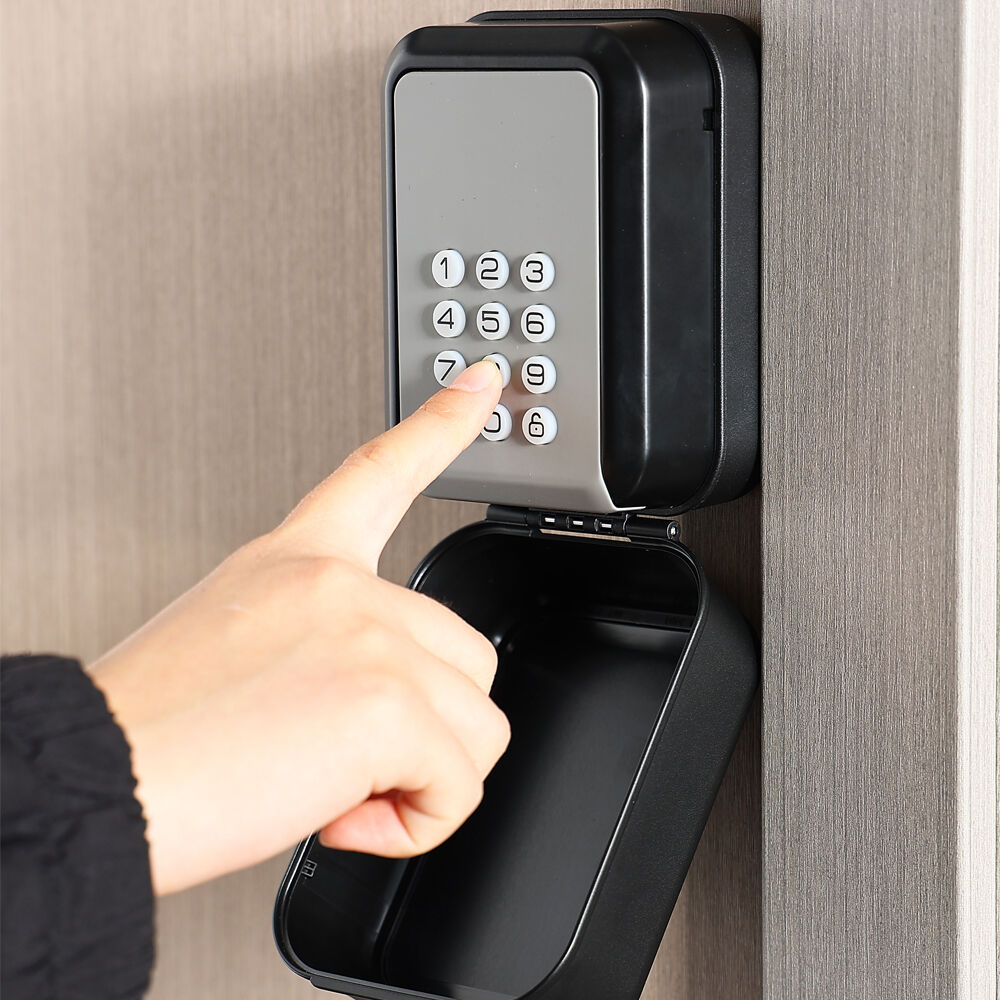
Mechanical, Electronic, and Smart Key Safe Options Compared
Property managers face critical decisions when selecting key safe solutions, balancing security, accessibility, and operational demands. Understanding the core differences between mechanical, electronic, and smart systems ensures alignment with property-specific requirements.
Mechanical Key Safes: LPS1175 Certification, Durability, and Limitations
Mechanical key safes work with old school dials or actual keys, and can be pretty secure if they meet standards such as LPS1175, which tests how well they stand up against attacks in lab settings. The simplicity of these devices means they tend to last forever really, sometimes over two decades without needing any battery changes, software updates, or internet connections to worry about. But there are downsides too. These mechanical systems don't track who accessed what when, cant get updated remotely, and worst of all, cant cancel access quickly if someone leaves the company or loses their key. That makes them tricky to manage in places where people come and go frequently or where strict compliance requirements apply.
Electronic Key Safes: Audit Trails, User Codes, and Battery Management
Electronic key safes have replaced traditional physical keys with PIN code access systems. These devices keep track of who opens them and when through detailed logs, something really important for meeting regulations and figuring out what happened during incidents. Property managers get to set individual codes for different users, quickly disable any lost access codes, and change permissions remotely without needing to go onsite. Of course there are downsides too. Most units rely on batteries that usually need replacing once or twice a year. And the keypads tend to become sluggish in very cold weather or when exposed to moisture. For places where these safes will be used outside, it makes sense to pick models designed for those specific environmental conditions.
Smart Key Safes: PMS Integration, Remote Access, and Dynamic Code Expiry
Smart key safes work through Wi-Fi connections or cell networks so they can link right into property management systems. This setup lets managers do things like generate temporary codes for guests, get immediate warnings if someone tampers with the device, and change who has access rights all from one online interface. The convenience factor is huge for operations teams managing multiple properties at once. But there are downsides too. These systems need reliable internet all the time, which isn't always guaranteed in remote areas. Plus security remains a concern unless proper precautions are taken seriously. Regular software updates matter a lot here, along with good password policies and other standard security measures to keep hackers out of these connected devices.
Security Certifications, Proper Installation, and Tenant Compliance
LPS1175 Ratings and Secured by Design: What Property Managers Must Verify
When picking out a key safe, make sure to check those important certifications first. Look for models that meet LPS1175 standards, which is basically an independent test showing how well they resist forced entry attempts with various tools over time. The ratings go from SR1 for basic hand tools all the way up to SR4 for more advanced equipment, so properties in riskier areas really need those top ratings. Also worth checking is the Secured by Design approval, something backed by UK police forces that actually tests if these security devices work as claimed. These certifications show whether a unit can stand up against common break-in methods like drilling or prying, which cuts down on the chances someone gets in without permission. Smart property managers always ask suppliers for actual test certificates before buying, since non-certified products just aren't worth the risk of being compromised later on.
Tamper-Resistant Mounting, Strategic Placement, and Transparent Tenant Communication
Getting the installation right is essential if we want to stop someone from stealing the actual key safe. The best approach? Secure them firmly into solid materials like concrete or brick with those special bolts that resist tampering. Stay away from hollow walls or areas that might vibrate too much. Placement matters too. Put the device somewhere it can be seen by people who need it but isn't just sitting there out in the open for anyone to mess with. Most importantly, tenants will follow rules when they understand what's expected. Make sure to hand out written documents explaining how everything works, what happens during emergencies, and who takes responsibility for what. Keeping track of who accesses things when helps everyone stay accountable. Digital records work great for this purpose. Industry experts recommend checking these logs regularly. It keeps people honest and catches any problems early before they turn into bigger headaches down the road.
FAQ
What are the main types of key safes available?
The main types of key safes are mechanical, electronic, and smart systems. Each offers unique features related to security, accessibility, and operational requirements.
What certifications should be checked before purchasing a key safe?
Ensure key safes meet the LPS1175 standards and Secured by Design approval to guarantee security and compliance.
What are the benefits of smart key safes?
Smart key safes allow for remote access management, integration with property management systems, temporary code creation, and immediate tamper warnings, but they require reliable internet connection.