
 EN
EN
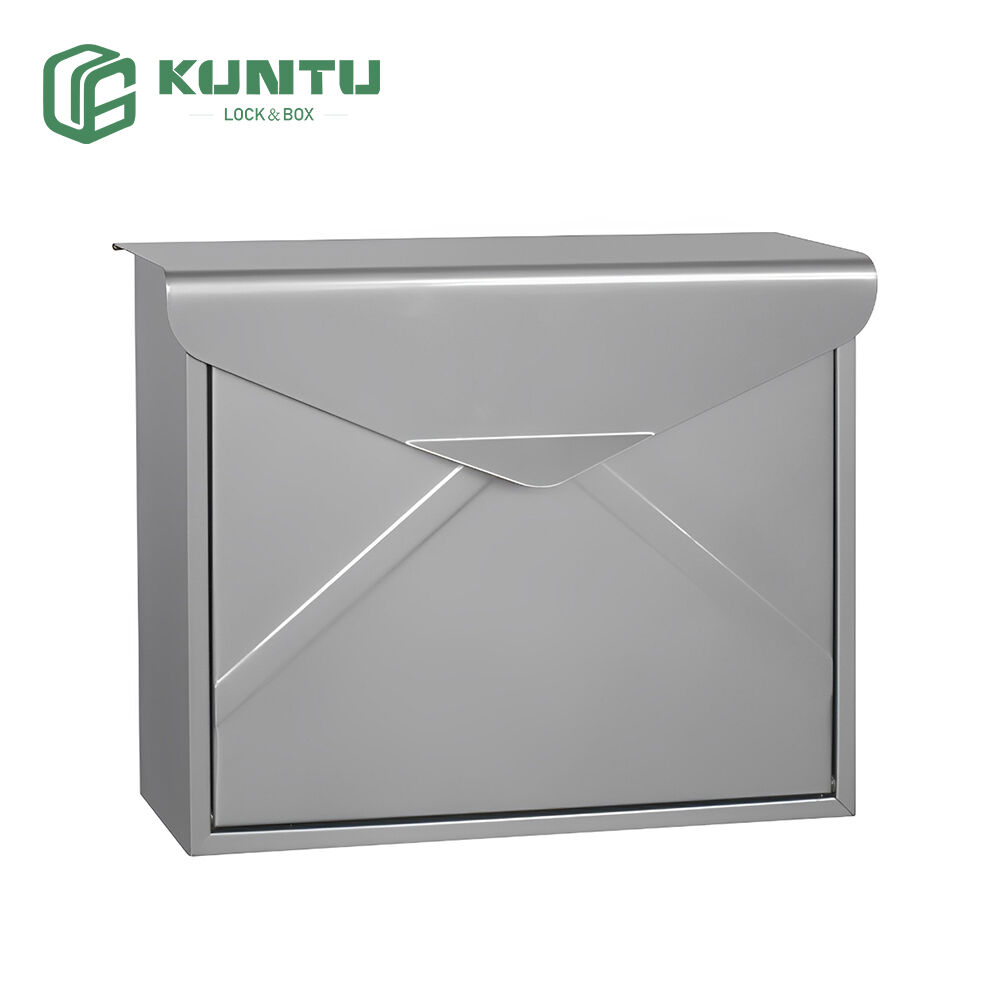
How Smart Mailbox Technology Works: IoT, AI, and Automation
Real-Time Mail Lifecycle Tracking via Integrated Sensors and Cloud Connectivity
Modern smart mailboxes work by connecting to the Internet of Things thanks to built-in sensors that watch what happens to mail as it goes in and comes out. The system uses weight sensors to know when packages arrive, motion detectors to tell when something gets taken away, and there are even special sensors inside that check temperature and humidity levels to keep things safe for stuff like medicine. All these sensor readings get sent right away to protected cloud storage either through Wi-Fi connections or cell phone networks. Homeowners can then see exactly what's happening with deliveries on their phones at any moment. People actually care about this because around 94 percent say they worry less about packages getting stolen when they can track them live according to Secure Delivery Journal from last year. Most systems will send an alert as soon as something arrives, and some let users set up zones so notifications only come when they're close enough to home to grab the package themselves. Plus, everything stays recorded in encrypted form online which helps create proof of who had access to what, important for dealing with insurance companies or if there's ever any kind of dispute about delivery times.
AI-Powered Package Recognition and Adaptive Notification Logic
Smart mailboxes are getting smarter thanks to artificial intelligence technology. These boxes can now recognize different types of packages based on their size, shape, and even what's written on shipping labels. The system can tell apart medicine packages from food items or regular letters. Over time, machine learning algorithms learn about delivery habits. If someone tends to get packages late at night, the system will start sending reminders in the evenings instead. Those pesky ads that nobody ever opens? They just fade into the background after a while. Natural language processing looks through messages from carriers for important words like "needs refrigeration" or "someone must sign for this." When these flags appear, the alerts become more urgent. During busy periods like holiday shopping season, the AI groups together several deliveries into one easy-to-read summary rather than bombarding users with dozens of notifications. According to a recent study published in Home Automation Review, this approach cuts down on notification overload by around three quarters compared to older systems that simply sent alerts for every single package.
Smart Mailbox Security: Beyond Traditional Locks
Multi-Factor Authentication and End-to-End Encrypted Delivery Alerts
Modern smart mailboxes ditch traditional keys in favor of multiple layers of digital protection. Most systems now use multi factor authentication, which means users need to confirm their identity twice before getting access. Think fingerprint scan plus phone app approval. According to research from Ponemon Institute back in 2023, this approach cuts down on unauthorized entries by almost 99% when compared to those old single pin systems. End to end encryption works behind the scenes too, keeping all delivery updates and access notices locked away during transmission until they reach the right person's device. There are also built in sensors that go off instantly if someone tries to force open the box or acts suspiciously around it. Every time someone attempts access, whether successful or not, gets logged permanently in the system. All these security measures transform what used to be just a mailbox into something much more important for protecting against identity theft and those pesky mail fishing scams we see so often in apartment buildings and other dense residential areas.
Why Demand for Smart Mailbox Solutions Is Accelerating
E-Commerce Growth, Urban Density, and the Rise of Contactless Mail Handling
There are three main factors driving this rapid change. For starters, online shopping packages are expected to hit around 256 billion per year by 2025 according to Statista, which is totally stressing out our old postal systems. Then there's what happens when people pack themselves into cities. The UN predicts that nearly 7 out of 10 folks worldwide will be living in urban areas by 2050, and that creates real problems for deliveries. Packages just disappear from apartment complexes, and getting through traffic becomes a nightmare. And finally, most shoppers these days want nothing to do with touching anything. McKinsey reports that almost 8 out of 10 customers prefer picking up their stuff without meeting anyone face to face, favoring lockers or other secure drop points instead of traditional delivery methods.
These drivers create a perfect storm:
- Efficiency: Couriers save 5–8 minutes per stop using centralized smart mailboxes (Logistics Today 2023)
- Security: Urban package theft costs consumers an average of $740K per incident (Ponemon 2023), fueling demand for tamper-proof designs
- Hygiene: 62% of households prefer contactless options post-pandemic (J.D. Power 2024)
Market growth reflects this shift—the smart parcel locker sector is expanding at a 19.2% CAGR through 2030, signaling an irreversible evolution in last-mile logistics as delivery volumes outpace conventional infrastructure.
Smart Mailbox Adoption: Residential vs. Commercial Use Cases
Smart mailbox tech gets used differently at homes versus businesses because their needs just aren't the same. Homeowners really care about keeping packages safe from thieves and getting instant alerts when something arrives. Most home systems work well with popular smart speakers these days, so people can check on deliveries through voice commands alone. These mailboxes usually handle small households with maybe one to four people living there. They focus heavily on stopping package theft which has become such a problem lately, plus making it easy to grab stuff without touching anything directly after ordering online. Some folks even mention how peace of mind is worth every penny spent on these devices.
For commercial use, we need systems that can scale up easily and handle at least fifty packages each day in places like office buildings or apartment complexes. The big picture here is about central control panels, access rights tailored specifically for building managers, plus those API connections that link everything together with existing facility management tools. Residential setups tend to look good on the surface with their user friendly designs, but when it comes to business applications, what really matters is getting things processed quickly and keeping track of everything properly. According to Logistics Tech Review back in 2023, companies using these systems saw around a thirty percent drop in staff needed for mailrooms. What sets them apart? Commercial models come in modules so they just keep growing along with the number of tenants moving in. Residential versions stay small though, designed not only for easy setup but also because nobody wants something ugly sitting outside their home.
FAQs
What are smart mailboxes?
Smart mailboxes are advanced mail handling systems that use sensors, AI, and cloud connectivity to track and secure mail deliveries. They offer real-time updates, package recognition, and more.
How do smart mailboxes enhance security?
Smart mailboxes enhance security through multi-factor authentication, end-to-end encryption, and sensors that alert users of suspicious activity.
Why are smart mailboxes becoming popular?
Smart mailboxes are gaining popularity due to increased e-commerce demands, urban density challenges, and the preference for contactless delivery methods.
Are smart mailboxes suitable for both residential and commercial use?
Yes, smart mailboxes are designed to cater to both residential and commercial uses with different features tailored to scale and security needs.
How do smart mailboxes integrate with technology platforms?
Smart mailboxes often use APIs to integrate with facility management tools and smart home devices, allowing users to control and monitor deliveries seamlessly.