
 EN
EN
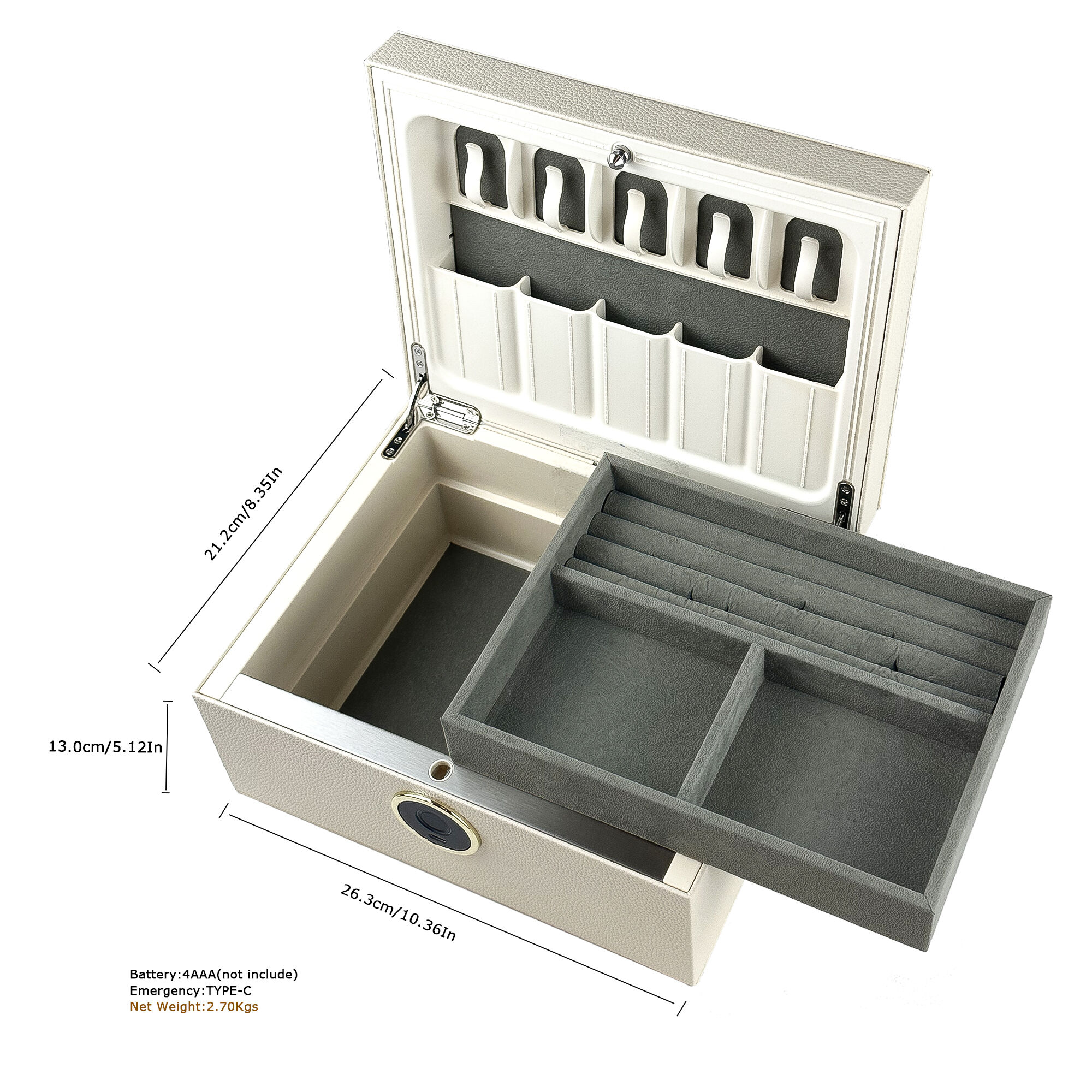
Why Frequent Travelers Need a Dedicated Personal Safe
People who travel a lot run into some real security issues when they need to carry important stuff around like passports, gadgets, and money. These items make up more than 70% of what gets stolen from travelers according to reports from the travel sector. Most hotel safes just don't cut it. They're too small for laptops, have locks that sometimes fail, and aren't even available at cheaper hotels or places people rent out for vacations. This means valuable possessions sit unprotected during trips to the beach, stays in hostels where multiple people share rooms, or those quick pit stops along highways. A good personal safe offers something different because it can be carried anywhere and has strong attachment points so travelers can lock things down to bed frames or other furniture in their room. Regular lockers and hiding spots simply won't work as well since they leave items vulnerable to grab-and-go thieves everywhere from busy airport terminals to campsites deep in nature reserves. Whether someone is traveling for business meetings or backpacking adventures across continents, having this kind of protection turns any place they stay into a safer spot, keeping all those essential items secure no matter where the journey takes them next.
Essential Features of a High-Performance Personal Safe
Lock Security: TSA-Approved Combination, Biometric, and RFID-Shielded Options Compared
Smart travelers know their personal safe needs multiple layers of protection. The TSA approved combo locks let officials check bags without breaking anything open during inspections at airports. For those who want quick access but still stay secure, biometric safes read fingerprints so users can get inside fast while keeping others out. Some models come with RFID shielding too, which stops thieves from stealing information wirelessly from credit cards or passports just by waving a device near them. According to research published in Security Today magazine last year, around 8 out of 10 hotel room theft incidents actually happen because criminals target these electronic weaknesses. That makes RFID blocking features absolutely essential for anyone traveling with valuable documents or payment methods these days.
Build Integrity: Steel-Reinforced Anchors, Anti-Pry Hinges, and IP65 Weather Resistance
Real security comes down to how well a personal safe stands up physically. The steel reinforcement at those anchor points makes sure the safe stays put when mounted properly on solid surfaces. Those anti-pry hinges and bolts really hold their own against crowbars too, giving potential thieves around 15 minutes of frustration before they give up according to UL tests. When taking safes outside, look for IP65 ratings because these boxes can handle pretty much anything nature throws at them from heavy downpours to sandstorms. We've seen field reports where even after major storms, the inside stays dry enough (below 40% humidity) to keep important papers and gadgets safe from water damage. That kind of protection matters a lot for folks who need secure storage while traveling or living in areas prone to bad weather.
Portability and Integration: Weight, Size, and On-the-Go Usability
For frequent travelers, a personal safe must transcend basic security—it demands seamless integration into mobile lifestyles. Portability directly impacts usability: oversized units become abandoned luggage, while undersized models compromise protection. Optimal travel safes balance structural integrity with dimensions designed for real-world transit, ensuring they’re deployed—not discarded.
Carry-On–Compatible Design: Sub-2.5 lb, Under-8L Personal Safe Dimensions That Fit Real Luggage
True portability requires engineering precision. Leading manufacturers prioritize:
- Weight distribution: Units under 2.5 lbs avoid airline penalties while maintaining steel-reinforced walls.
- Volume optimization: Sub-8L designs fit vertically in 22" carry-ons beside laptops and toiletry kits.
-
Ergonomic handling: Contoured edges and recessed handles prevent snagging during baggage scans.
Field tests reveal that safes exceeding these thresholds suffer 60% lower adoption rates among nomadic professionals.
Context-Aware Use Cases: Budget Hotels, Beaches, Road Trips, and Shared Accommodations
A portable safe’s value emerges in transient environments:
- Budget hotels: Anchors to fixed objects when wall safes are absent or compromised.
- Beach excursions: IP65-rated seals block sand/salt corrosion during waterfront use.
-
Co-working hostels: Discrete biometric access prevents opportunistic theft in shared dorms.
Unlike stationary safes, travel-optimized models function across humidity gradients (10%–90% RH) and temperatures (−5°C to 50°C)—proven resilience for climate volatility.
Choosing the Right Personal Safe: A Decision Framework for Frequent Travelers
Selecting the optimal personal safe requires aligning security features with your unique travel patterns—a mismatch risks either inadequate protection or unnecessary bulk. Start by evaluating three core dimensions:
- Travel Frequency & Duration: Occasional weekend travelers may prioritize compactness, while digital nomads need robust, long-term theft deterrence.
- Destination Risks: High-theft urban areas demand slash-resistant materials and anti-pry hinges; beach trips necessitate IP65-rated water resistance.
- Valuable Inventory: Jewelry and passports require biometric or TSA-approved locks; bulkier items like cameras demand larger interiors while staying under 8L for carry-on compliance.
When looking at what matters most for travel gear, think about those annoying little problems we all face. People who stay in hostels a lot will find integrated cable anchors really helpful, whereas folks heading off into nature adventures need to check if their stuff has passed proper drop tests. Take time to read through actual customer feedback too, not just what companies say on their websites. Look especially at how products perform in similar weather conditions to where you plan to go. A good way to stay secure without feeling weighed down is to pick equipment based on these specific needs rather than going for whatever looks cool or expensive.
FAQ Section
Why do travelers need a personal safe?
Travelers need a personal safe to secure important items like passports, gadgets, and money, which are highly targeted by thieves. Hotel safes are often too small or unreliable, making a dedicated safe essential for protection during travel.
What features should I look for in a personal safe?
Key features include TSA-approved combination locks, biometric options, RFID shielding, steel-reinforced anchors, anti-pry hinges, and IP65 weather resistance, ensuring robust security against theft and environmental factors.
Is portability important for a travel safe?
Yes, portability is crucial to integrate securely into a traveler's lifestyle. Look for safes under 2.5 lbs with dimensions fitting into standard carry-on luggage for ease of transport.
How do I choose the right safe for my travel needs?
Consider your travel frequency and duration, destination risks, and inventory of valuables. Align these with the safe's features to meet your specific security requirements effectively.