
 EN
EN
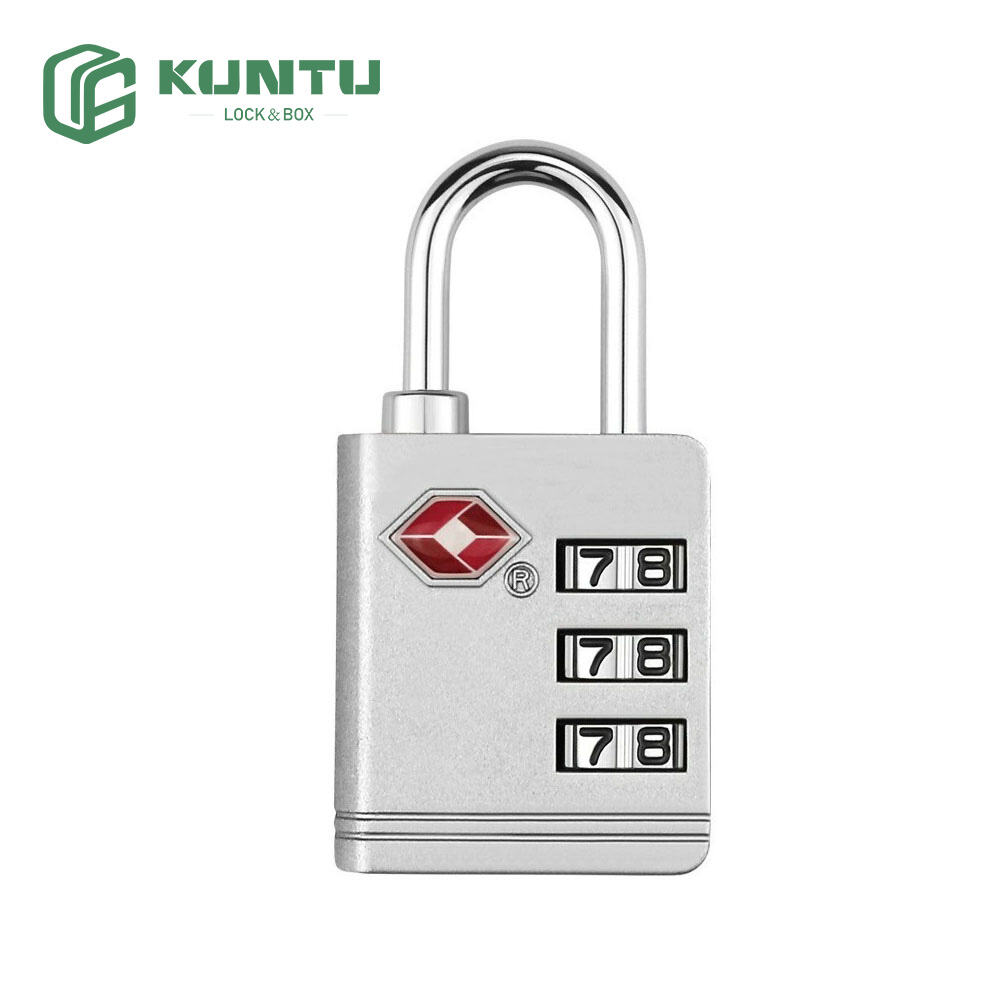
What Is a TSA Lock and Why It’s Mandatory for International Students
TSA locks are special suitcase locks made with help from the U.S. Transportation Security Administration so that both people traveling and airport security can get into checked bags without breaking them open. The way these work is pretty neat actually. Travelers keep their stuff safe with either a combo code or regular key, but when security needs to check something out, they just use special master keys that work on all TSA approved locks. For international students especially, this matters a lot because their bags might get looked through several times while flying between places like America, Europe, Canada, and Asia. Standard padlocks aren't really good options here since airport scanners will often cut them off completely which means waiting longer for bags, losing personal items, and dealing with unnecessary stress right before starting classes somewhere new.
Student travelers really need to get themselves some certified locks these days. The numbers tell the story pretty clearly: around 98% of flights coming into the US demand TSA approved locks on luggage, and dozens of other nations have jumped on board too. We're talking about places like Australia, Canada, Japan plus every country in the European Union. Forget about this requirement and travelers might find themselves stuck in security lines for hours, which could mess up visa applications or worse, lead to being denied entry altogether. Money matters as well. When airport security breaks a lock, replacement usually runs between fifteen and thirty bucks each time. That adds up fast for students who are already stretching their budgets thin when moving abroad. Plus, those TSA certified locks actually work wonders at over six hundred airports across the globe where they've got Travel Sentry certification. This means less hassle during baggage checks and dramatically lowers chances of missing connecting flights on those complicated overseas trips most students end up taking.
| Consequence | Standard Lock | TSA Lock |
|---|---|---|
| Inspection Outcome | Lock cut/damaged | Zero damage |
| Replacement Cost | $15–$30 per incident | None |
| Security Post-Inspection | Compromised | Maintained |
How TSA-Approved Locks Work: Authorized Access Without Damage
TSA-approved locks use rigorously tested mechanisms that balance traveler autonomy with global aviation security requirements—ensuring secure, non-destructive access for authorized personnel.
The Dual-Access Mechanism: Student Control + TSA Agent Override
The locks come with dual access options. One is the personal combination set by the owner, either through numbers or a physical key. The other allows authorized security staff to access using a standard master key system. When someone puts their belongings in the bag, only their own unique code or key works normally. At airport checkpoints, TSA officers along with hundreds of other global security groups can open and close these bags safely without damaging them. This helps prevent those frustrating lock cutting situations that happened to around 3 out of every 10 bags not meeting standards during last year's security checks. Once everything gets checked, the security team makes sure the lock goes back on properly so items stay protected all the way to their destination. These designs meet important international aviation rules like ICAO Annex 17 plus various country-specific requirements, which means travelers won't face delays at border crossings.
Travel Sentry Certification Explained: Global Recognition Across 650+ Airports
The red diamond logo marks Travel Sentry certified luggage as the standard for compatible travel security worldwide. Created alongside the TSA and now recognized across 180 nations, these locks must pass independent tests checking how well they hold up, resist tampering, and work with official master keys. When bags have this certification, security personnel from major groups like the U.S. TSA, EU Aviation Security, Japan's transport ministry, and Australia's home affairs department can open them without damaging the lock. Airport stats from 2024 show that bags with certified locks cut down handling times by around 70% compared to regular locks. That makes all the difference when someone needs to catch a connecting flight or arrive on campus for classes right after landing.
Why International Students Specifically Need a TSA Lock
Avoiding Lock Destruction and Baggage Delays Across Multi-Country Itineraries
Many international students pass through major airports like JFK, Heathrow, Narita, and Toronto Pearson on their way to study abroad. These busy travel spots have strict security measures in place. If a student doesn't have a TSA approved lock on their luggage, airport authorities might need to break open bags multiple times during checks across different countries. This happens pretty often actually. Last year about one out of every seven people traveling without proper locks found their locks broken or damaged somehow. When this occurs, belongings get scattered around, packages arrive late, and it typically takes around three and a half hours extra for baggage handlers to sort everything out. For students who land before classes start or need to register for courses, these kinds of delays can really mess things up. They might miss important deadlines at school. Worse still, damaged locks sometimes lead to additional customs checks which can create problems with visa requirements down the road.
Cost, Convenience, and Compliance Benefits for Student Budgets and Visa Requirements
TSA locks offer real value over time since they cut down on those constant replacement costs, work at over 650 certified airports worldwide, and satisfy what regulations actually require. Students who are tight on cash can save around 70% compared to regular locks if we factor in all the wear and tear plus time lost waiting for repairs. The thing is, places like America, Australia, and Britain specifically mention needing luggage that can be checked without breaking it open in their student visa guidelines. Even though it might not show up as an official rulebook requirement everywhere, border agents and customs people check bags regularly as part of their standard security process. That makes having a TSA approved lock pretty much essential for getting through immigration smoothly and keeping that student visa valid during travel.
Choosing and Using the Right TSA Lock for Student Travel
Combination vs. Keyed vs. Cable TSA Locks: Matching Features to Luggage and Lifestyle
Selecting the right TSA lock depends on your luggage type, travel patterns, and daily routines:
- Combination locks eliminate key-loss risks—ideal for students juggling backpacks, carry-ons, and checked suitcases across campuses and transit zones. Choose codes that are memorable but not predictable (avoid “0000,” birth years, or sequential digits).
- Keyed locks, while simple, introduce vulnerability if keys are misplaced during chaotic travel days. Reserve them for low-risk, single-bag scenarios where key retention is highly controlled.
- Cable locks offer flexibility for irregularly shaped gear—like laptop backpacks or duffels with dual zippers—but their thinner cables provide less resistance to bolt cutters than solid-body alternatives.
For hard-shell suitcases, built-in combination TSA locks deliver clean, integrated security. For soft-sided bags or backpacks, cable variants with reinforced braided steel offer adaptable protection without compromising portability. Prioritize zinc-alloy or hardened steel construction over plastic housings—especially for students traveling with high-value academic equipment.
Setup Best Practices: Securing Your TSA Lock Correctly on Backpacks, Suitcases, and Duffels
Proper installation maximizes both security and inspection efficiency:
- Thread locks fully through zipper holes, leaving no slack—this prevents prying or sliding tampering.
- On backpacks, loop cables through both zipper pulls and reinforced fabric straps, adding redundancy against targeted cuts.
- Test all functions before departure: verify combinations reset reliably, keys turn smoothly, and dials align cleanly.
- For hard-shell luggage, position combination dials outward—this allows TSA agents to open the lock without repositioning the bag, speeding up screening.
Don't put locks close to seams, zippers, or areas where the stitching looks weak. Why? Because those spots are basically open invitations for thieves. The latest baggage handling reports from 2023 show that more than three quarters of all luggage theft cases involve someone taking advantage of these weak points. Before heading to check in at the airport, give the lock a good hard pull to make sure it's really locked in place. When a TSA approved lock works correctly, it does more than keep stuff safe inside the suitcase. It saves time wasted dealing with lost items, keeps money from being spent on replacements, and most importantly, maintains that sense of calm travelers need when flying.
FAQ
What is a TSA lock?
A TSA lock is a type of suitcase lock that allows travellers to keep their luggage secure while providing authorized airport security personnel the ability to access bags without damaging the locks.
Why do international students need TSA locks?
International students need TSA locks to prevent damage during security checks while traveling between countries. These locks help avoid delays and potential issues with visa requirements.
What is Travel Sentry certification?
Travel Sentry certification ensures that luggage locks are compliant with global security standards, allowing authorized personnel to access them without damage at over 650 airports worldwide.
How do TSA locks save money for students?
TSA locks prevent the frequent need for lock replacements, which can range from $15 to $30 per incident, thereby saving money for budget-conscious students.
What types of TSA locks are available?
TSA locks come in combination, keyed, and cable varieties. Choice depends on luggage type, travel patterns, and personal preferences.