
 EN
EN
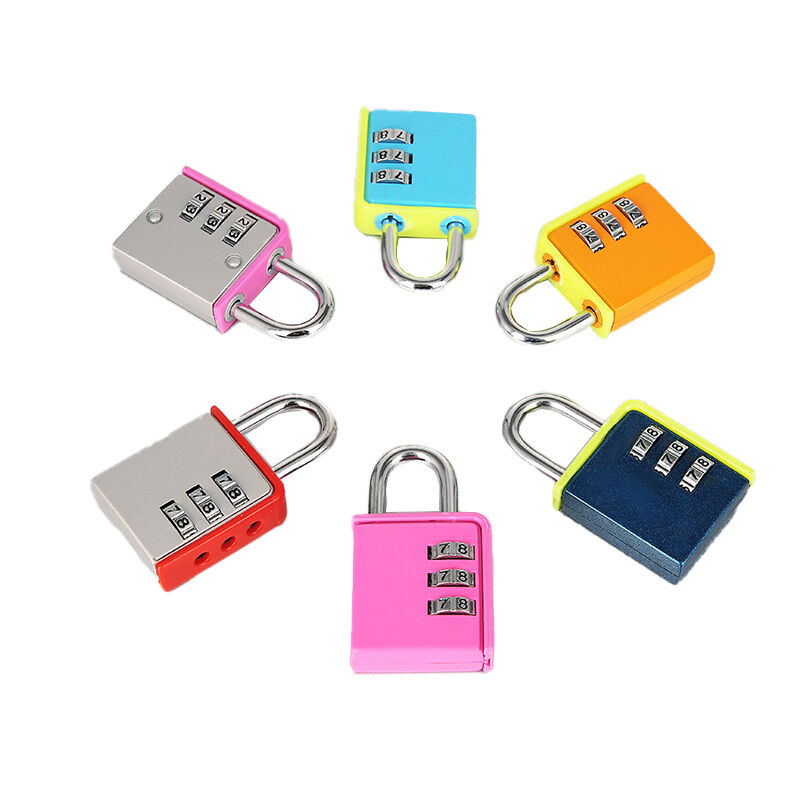
Truck transport serves as the critical "last link" in global supply chains, ferrying goods from warehouses to distribution centers, retailers, and end users. Yet, this segment is plagued by a persistent and costly threat: in-transit theft. Cargo pilferage not only results in direct financial losses from stolen goods but also triggers cascading disruptions—delayed deliveries, damaged customer trust, insurance premium hikes, and compliance violations. To mitigate these risks, forward-thinking logistics and transportation companies are moving beyond basic security measures, adopting a synergistic solution of high-security padlocks and tamper-evident seals. Aligned with global standards like ISO 17712, these tools not only deter theft through robust anti-pry and anti-cut performance but also enable supply chain visibility and auditability. This article explores how high-security padlocks safeguard truck cargo, integrate with sealing systems, and elevate supply chain security to achieve zero loss.
The Hidden Costs of In-Transit Theft in Truck Transport
In-transit theft is a multi-billion-dollar crisis for the logistics industry, with trucks being prime targets due to their mobility, long dwell times at rest stops, and often-limited on-board security. The impact extends far beyond the value of stolen cargo. For carriers, a single theft incident can lead to expensive insurance claims, contractual penalties for delayed deliveries, and reputational damage that drives away clients. For shippers, lost goods disrupt production schedules, force emergency reorders, and erode relationships with downstream partners. Moreover, unauthorized access to cargo—even if not resulting in theft—can compromise product integrity, particularly for perishables, pharmaceuticals, or high-value electronics.
Traditional security measures, such as standard padlocks or basic seals, are increasingly ineffective against sophisticated thieves armed with cutting tools, pry bars, and lock-picking kits. Standard padlocks, made of low-grade steel, can be breached in seconds, while flimsy seals offer little resistance to tampering. Worse, these basic tools provide no way to verify if cargo was accessed during transit, creating blind spots in supply chain accountability. The need for a more robust solution—one that combines physical deterrence with audit capabilities—has never been greater.
High-Security Padlocks: The Foundation of In-Transit Cargo Protection
High-security padlocks are engineered to address the unique challenges of truck transport, delivering uncompromising physical resistance to forced entry while integrating with sealing systems for comprehensive security. Unlike standard padlocks, these specialized devices are built with theft deterrence as their core design principle, featuring materials and mechanisms that withstand the most common breach methods.
Key Anti-Theft Features of High-Security Padlocks
To prevent unauthorized access, high-security padlocks for truck transport incorporate the following critical features:
-
Anti-Cut and Anti-Pry Shackles: Constructed from hardened alloy steel or boron carbide—materials 5-10 times stronger than standard steel—shackles resist cutting by bolt cutters, angle grinders, and hacksaws. Closed-shackle designs minimize leverage points for prying, while rotating or shrouded shackles add an extra layer of protection against jimmying.
-
Tamper-Resistant Mechanisms: Internal locking mechanisms are sealed to prevent dust, dirt, and tampering with pick tools. Many models feature anti-shim technology and unique keyways that are nearly impossible to replicate without authorized access, eliminating the risk of lock picking or key duplication.
-
Durability for Harsh Environments: Truck cargo areas are exposed to extreme temperatures, moisture, road salt, and vibration. High-security padlocks use corrosion-resistant materials (e.g., stainless steel, chrome plating) and sealed housings to ensure reliable performance in all weather conditions, avoiding jamming or mechanical failure.
-
Exclusive Access Control: Each padlock is paired with unique keys or resettable combinations, restricting access to authorized personnel only. Some advanced models integrate with digital systems, allowing for remote access tracking and key management, further enhancing accountability.
Synergy with Tamper-Evident Seals and ISO 17712 Compliance
High-security padlocks are most effective when used in conjunction with tamper-evident seals, creating a dual-layer security system that deters theft and provides clear evidence of unauthorized access. This combination is not only a best practice but also a requirement for compliance with global货运安全标准 (cargo security standards) like ISO 17712.
ISO 17712: The Global Benchmark for Cargo Seals and Security
ISO 17712 is an international standard that defines requirements for mechanical seals used to secure shipping containers, trucks, and railcars. It classifies seals into three categories—Indicative (I), Security (S), and High-Security (H)—with High-Security seals meeting the most rigorous anti-tampering and anti-forced-entry criteria. While ISO 17712 focuses on seals, high-security padlocks play a complementary role by securing the seal itself and the truck’s cargo doors, ensuring the seal remains intact until delivery.
Compliant high-security padlocks are designed to work with ISO 17712 High-Security seals, creating a seamless security ecosystem. The padlock secures the cargo door latching mechanism, while the seal is applied across the door handles or lock hasp. Any attempt to breach the cargo area would require either breaking the high-security padlock (extremely difficult) or tampering with the ISO 17712 seal—an act that leaves clear, irreversible evidence (e.g., broken seals, visible damage). This dual layer ensures that carriers, shippers, and recipients can verify the integrity of the cargo at every stage of transit.
Enhancing Supply Chain Visibility and Auditability
Beyond physical security, high-security padlocks and ISO 17712-compliant seals transform cargo security into a data-driven, auditable process—critical for supply chain transparency. Each seal is assigned a unique identification number, which is logged at the point of origin, during transit (e.g., at border crossings, distribution hubs), and at delivery. When paired with a high-security padlock, this creates a complete audit trail that answers three key questions: Who accessed the cargo? When was it accessed? And was the access authorized?
For example, if a seal is broken upon delivery, the unique ID allows stakeholders to trace the cargo’s journey and identify where the tampering occurred. High-security padlocks with digital tracking capabilities take this a step further, logging lock/unlock events with timestamps and user IDs, which can be synced to supply chain management (SCM) systems. This level of visibility enables proactive risk management, faster incident investigation, and compliance with customer or regulatory audit requirements.
Tailored High-Security Padlock Solutions for Truck Transport
Truck transport scenarios vary widely—from local deliveries of consumer goods to long-haul shipments of high-value or hazardous materials—requiring padlocks tailored to specific security needs. Below are optimized solutions for common use cases:
1. Long-Haul Trucking and High-Value Cargo
For shipments of electronics, pharmaceuticals, or luxury goods, heavy-duty high-security padlocks with boron carbide shackles and ISO 17712 High-Security seals are essential. These padlocks resist industrial-grade cutting tools and provide maximum deterrence against professional thieves. Digital-enabled models with remote access tracking are ideal for cross-border shipments, where cargo may be detained at checkpoints for extended periods.
2. Refrigerated (Reefer) Trucks
Refrigerated trucks require padlocks that withstand temperature fluctuations (-40°C to 80°C) and moisture. Stainless steel padlocks with sealed mechanisms prevent frost buildup and corrosion, ensuring reliable operation in cold environments. Paired with tamper-evident seals, they protect perishable cargo from theft and unauthorized temperature adjustments.
3. Local and Last-Mile Delivery
For local deliveries with frequent stops, compact, lightweight high-security padlocks with resettable combinations offer convenience without compromising security. These padlocks eliminate the need for key management, allowing drivers to set unique codes for each delivery, while still providing anti-cut and anti-pry protection against opportunistic theft.
4. Hazardous Materials (HazMat) Transport
HazMat shipments require padlocks that comply with additional safety standards (e.g., DOT in the U.S., ADR in the EU). Brass or aluminum padlocks—non-sparking and corrosion-resistant—are preferred for flammable or explosive materials. When paired with ISO 17712 High-Security seals, they ensure regulatory compliance and prevent unauthorized access that could lead to safety incidents.
Implementation Best Practices for Maximum Security
To leverage high-security padlocks and seals effectively, transportation and logistics companies should follow these best practices:
-
Standardize on ISO 17712-Compliant Seals: Use only High-Security (H) seals that meet ISO 17712 requirements, and pair them with compatible high-security padlocks to create a dual-layer system.
-
Train Personnel on Proper Application: Ensure drivers and warehouse staff are trained to apply padlocks and seals correctly, log unique seal IDs, and inspect for tampering at every checkpoint. Incorrect application can render even the best security tools ineffective.
-
Implement a Clear Audit Trail Process: Log seal IDs, padlock access events, and inspection results in a centralized SCM system. This data should be retained for at least one year to support audits and incident investigations.
-
Regularly Inspect and Replace Padlocks: Conduct routine inspections of padlocks for damage, corrosion, or wear. Replace any compromised padlocks immediately, and establish a replacement schedule based on usage and environmental exposure.
-
Integrate with Digital Security Tools: For large fleets, use high-security padlocks with digital tracking capabilities, and integrate data with GPS tracking and video surveillance systems. This provides real-time visibility into cargo status and enables rapid response to potential threats.
Conclusion
In the high-stakes world of truck transport, high-security padlocks are more than just theft deterrents—they are the guardians of the supply chain’s last link, ensuring cargo integrity from origin to destination. When paired with ISO 17712-compliant tamper-evident seals, these padlocks create a robust security system that combines physical resistance to forced entry with actionable visibility and auditability.
For logistics and transportation companies, investing in high-security padlocks is a strategic decision that reduces theft losses, minimizes supply chain disruptions, and enhances compliance with global standards. By prioritizing padlocks with anti-cut, anti-pry, and corrosion-resistant features, and integrating them into a comprehensive security protocol, businesses can achieve zero cargo loss, build trust with partners, and gain a competitive edge in the evolving supply chain landscape. As theft tactics become more sophisticated, the synergy between high-security padlocks, tamper-evident seals, and digital tracking will remain the gold standard for protecting in-transit cargo.
Table of Contents
- The Hidden Costs of In-Transit Theft in Truck Transport
- High-Security Padlocks: The Foundation of In-Transit Cargo Protection
- Synergy with Tamper-Evident Seals and ISO 17712 Compliance
- Tailored High-Security Padlock Solutions for Truck Transport
- Implementation Best Practices for Maximum Security
- Conclusion