 EN
EN
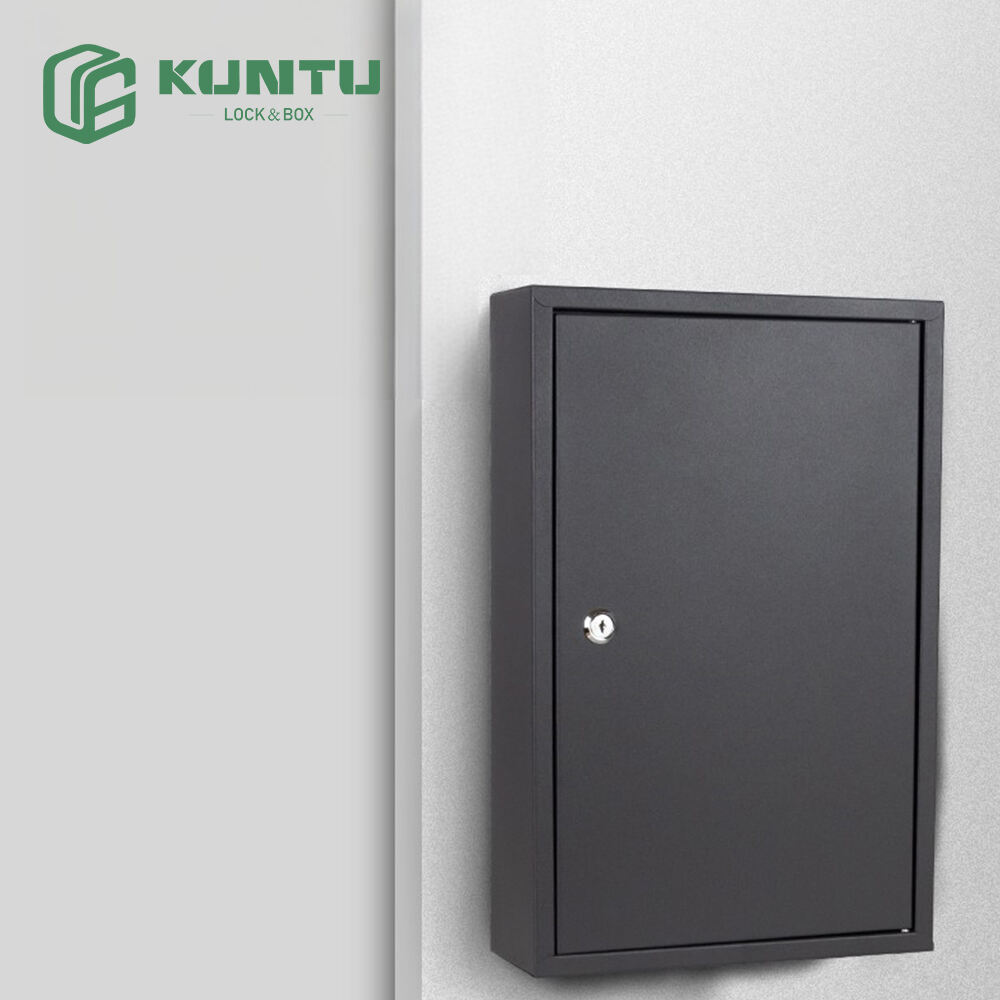
As modern enterprises embrace flexible work models and expand their physical spaces—encompassing meeting rooms, laboratories, equipment closets, and co-working zones—facility management teams face unprecedented challenges in key access control. Traditional key management, characterized by bulky key rings piled in administrative offices, manual sign-out logs, and rigid access protocols, has become a bottleneck for operational efficiency. It leads to delays for employees needing urgent access, increases the risk of lost or duplicated keys, and creates blind spots in access accountability. A smart key safe lock box emerges as a tailored solution for corporate environments, enabling dynamic, on-demand, time-bound key access for cleaning crews, IT support staff, and flexible workers while maintaining precise digital records—laying the foundation for refined, efficient facility management.
For corporate cleaning teams, who operate across multiple zones on strict schedules—often outside standard working hours—the key safe lock box eliminates the inefficiencies of traditional key handoffs. In many enterprises, cleaning staff must retrieve and return keys to the administrative department, a process that wastes valuable time and disrupts workflow continuity. With a strategically placed key safe lock box, facility managers can generate time-specific access codes tailored to cleaning shifts. For example, a code for the 7 PM to 11 PM night cleaning crew can be set to activate only during those hours, granting access to keys for meeting rooms, break areas, and general offices—while restricting access to sensitive spaces like laboratories or server rooms. This dynamic access ensures cleaning teams have the keys they need exactly when required, without unnecessary delays. Additionally, every access event is logged digitally, providing clarity on which crew member accessed which keys and when—resolving ambiguities if spaces are left untidy or keys go missing, and simplifying performance tracking for cleaning vendors or in-house teams.
IT support teams, tasked with addressing urgent technical issues across diverse spaces—from server rooms and equipment closets to individual workstations—benefit from the key safe lock box’s on-demand access capabilities and security features. IT emergencies rarely adhere to 9-to-5 schedules, and waiting for administrative staff to unlock key storage can prolong downtime, impacting employee productivity. A smart key safe lock box allows facility managers to issue one-time or temporary access codes to IT personnel remotely, even outside standard hours. For instance, if a server room experiences a critical failure after hours, an IT technician can receive an instant access code via mobile app, retrieve the key from the lock box, and resolve the issue promptly. The lock box’s digital logs also capture the exact timestamp of key retrieval and return, creating an audit trail for sensitive IT spaces. This not only enhances security by preventing unauthorized access to critical infrastructure but also streamlines incident reporting, as managers can easily trace which technician accessed a space during a specific issue.
The rise of flexible work arrangements—including hybrid schedules, remote work, and hot-desking—has amplified the need for agile key access for employees. Modern workers often require access to meeting rooms, project labs, or storage lockers on an ad-hoc basis, and traditional key management systems struggle to accommodate this variability. A key safe lock box enables facility managers to implement on-demand key distribution: employees can request access to specific spaces via a corporate portal or app, and managers can approve and send a time-limited access code directly to their device. For example, a team hosting an off-hours client meeting can request a key to a premium conference room, receive a code valid only for the meeting’s duration (e.g., 2 PM to 4 PM on a Saturday), and return the key to the lock box afterward. This eliminates the need for permanent key handouts or administrative oversight, reduces the risk of keys being retained or misplaced by employees, and aligns access with actual usage needs. For shared spaces like hot-desking zones or equipment rooms, this dynamic model ensures only authorized personnel access resources, minimizing clutter and misuse.
Beyond resolving key accumulation in administrative offices, the key safe lock box enables refined corporate facility management through data-driven insights and centralized control. Unlike manual logs, which are prone to errors and omissions, the lock box’s digital access records provide real-time visibility into key usage patterns. Facility managers can analyze which spaces are accessed most frequently, identify peak access times for different teams, and optimize resource allocation accordingly. For example, data might reveal that IT support accesses the third-floor equipment closet 15 times per week, indicating a potential issue with hardware in that area that requires proactive maintenance. For multi-site enterprises, cloud-connected key safe lock boxes allow managers to monitor and control key access across all locations from a single dashboard, standardizing protocols and ensuring consistency in security and efficiency. Integration with corporate facility management software (FMS) further enhances functionality, enabling automatic syncing of access requests, approval workflows, and access logs—eliminating manual data entry and reducing administrative overhead.
Security and scalability are critical considerations for corporate key management, and the key safe lock box delivers on both fronts. Designed with tamper-proof construction, encryption technology, and customizable access permissions, it prevents unauthorized key retrieval and duplication—addressing a major concern for enterprises storing sensitive equipment or confidential data in laboratories, server rooms, or executive suites. Managers can revoke access codes instantly if an employee changes roles, leaves the company, or a code is compromised, mitigating security risks. Scalability is equally important: as enterprises expand their physical footprint or add new teams, additional key safe lock boxes can be deployed and integrated into the existing system without disrupting workflows. This flexibility makes the lock box suitable for businesses of all sizes, from small startups with a single office to large corporations with multiple campuses and diverse facility needs.
In conclusion, the key safe lock box is a transformative tool for modern corporate facility management, addressing the unique challenges of multi-space access, flexible work models, and cross-team collaboration. By replacing clunky key rings and manual processes with dynamic, time-bound access codes and digital logs, it eliminates administrative bottlenecks, enhances security, and enables refined control over key usage. For cleaning teams, IT support, and flexible workers, it delivers the convenience and agility needed to perform their roles efficiently—while providing facility managers with the visibility and insights to optimize operations. As enterprises continue to evolve their workspaces and prioritize efficiency, the key safe lock box has become an essential component of a modern, data-driven facility management strategy.