 EN
EN
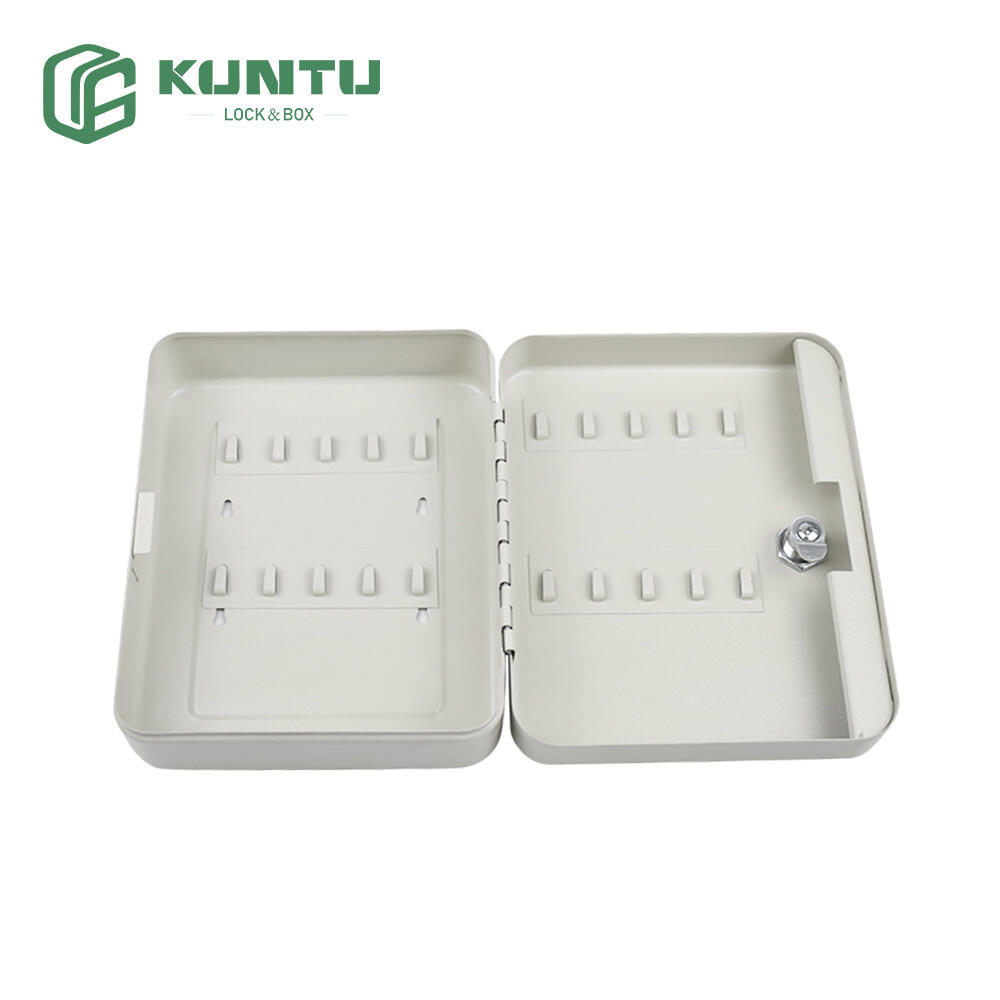
As global populations age rapidly, the “silver economy” has emerged as a pivotal market, driving demand for solutions that balance safety, independence, and emotional connection for seniors. For many families, the tension between respecting elderly relatives’ autonomy and ensuring their well-being has become a daily concern—especially when it comes to managing access to their homes for caregivers, meal delivery services, or visiting friends and family. Traditional approaches, such as mailing keys, leaving them in hidden spots, or asking seniors to answer the door for strangers, pose significant security risks and emotional stress. A smart key safe lock box has emerged as a compassionate, tech-enabled solution, enabling relatives to remotely manage temporary access permissions, fostering safety and dignity for seniors while delivering invaluable peace of mind for families. This B2B2C narrative highlights how the key safe lock box empowers community service providers and senior housing developers to deliver human-centric care in an aging society.
The emotional and practical challenges of senior home access management are deeply intertwined. Many seniors cherish their independence and resist overly intrusive care, yet family members worry about their ability to safely grant access to essential service providers. Mailing keys is unreliable and risky—packages can be lost or stolen, and outdated keys may fall into the wrong hands. Asking seniors to open the door for caregivers or delivery staff exposes them to potential scams, while hiding keys under doormats or planters is a well-documented security loophole. A smart key safe lock box resolves these dilemmas by putting relatives in control of access, without compromising the senior’s autonomy. Family members can remotely generate time-bound, one-time access codes for caregivers, meal delivery teams, or visiting relatives via a mobile app or web portal. These codes activate only during the specified window—for example, a 2-hour slot for a home nurse’s weekly visit or a weekend window for a grandchild’s stay—eliminating the need for physical key handoffs and ensuring seniors never have to open the door for unknown individuals.
For community service providers—including home care agencies, meal delivery services, and senior companionship programs—the key safe lock box is a transformative tool that enhances service efficiency and builds trust with families. Home care teams often juggle multiple clients with tight schedules, and delays caused by missed key handoffs or seniors being unavailable to answer the door disrupt care continuity. With a key safe lock box, caregivers can access the home using a temporary code provided by the senior’s family, arriving at their scheduled time without relying on the senior’s presence or assistance. This not only streamlines service delivery but also reduces the risk of caregiver burnout from rescheduling. For meal delivery services, the lock box ensures hot meals are securely placed inside the home when seniors are napping or out for a walk, preventing food spoilage and ensuring nutrition needs are met. Importantly, the digital access logs of the key safe lock box provide transparency for families, who can verify when service providers accessed the home—strengthening trust in the care team and alleviating concerns about unannounced visits or missed appointments.
Senior housing developers and retirement community operators can leverage the key safe lock box to differentiate their offerings with human-centric design, catering to both seniors and their families. Modern senior housing is no longer just about comfortable accommodations—it’s about creating environments that support independence while providing a safety net for families. Integrating smart key safe lock boxes into senior apartments or assisted living units allows developers to offer a unique value proposition: relatives can remotely manage access for external services or visitors, even if they live far away. This addresses the “distance caregiving” challenge faced by millions of families with seniors living in different cities or countries. For example, a retirement community in Portland integrated key safe lock boxes into all units, marketing the feature as a “family connection enabler.” The community reported a 35% increase in inquiries from families, as the lock box solution allowed adult children to support their parents from afar without frequent travel. Additionally, the lock box enhances on-site security—community staff can generate temporary codes for maintenance teams or emergency responders, ensuring quick access in crisis situations while maintaining a record of all entries.
The emotional value of the key safe lock box extends beyond security and efficiency—it nurtures the emotional bond between seniors and their families. For seniors, the ability to receive care and visits without sacrificing independence preserves their dignity and sense of control over their home. They no longer have to wait for family members to deliver keys or feel pressured to answer the door for strangers. For families, the remote access management feature provides reassurance that their loved ones are safe and receiving necessary services, even when they can’t be physically present. A 2025 survey of adult children caring for elderly parents found that 82% reported reduced anxiety after installing a key safe lock box, as they could monitor access to their parent’s home and ensure caregivers arrived on time. This emotional relief translates to stronger customer loyalty for community service providers and senior housing developers, who become enablers of meaningful family connections rather than just service vendors.
To maximize the impact of key safe lock boxes in senior care, B2B providers must prioritize usability, security, and integration. For seniors and their families, the solution should feature a user-friendly mobile app with simple code generation and access log viewing—avoiding complex interfaces that may deter older users or less tech-savvy family members. Security is non-negotiable: lock boxes should have tamper-proof construction, encryption for digital codes, and the ability to instantly revoke access if a code is compromised. Integration with existing senior care platforms—such as care management software or community monitoring systems—allows service providers to sync access data with care plans, creating a seamless workflow. For example, a home care agency can link caregiver access logs to client care notes, ensuring that each visit is documented and aligned with the senior’s care schedule.
In conclusion, the key safe lock box is more than a security device—it’s a catalyst for compassionate, innovative care in an aging society. By enabling remote, temporary access management, it addresses the practical and emotional needs of seniors, their families, community service providers, and senior housing developers alike. For B2B partners, it opens doors to the growing silver economy by offering a solution that combines functionality with heart—turning a simple access tool into a bridge for family connection and dignity. As the demand for senior-centric care solutions continues to rise, the key safe lock box stands out as a vital component of human-centric design, proving that technology can enhance not just safety, but the emotional fabric of care for our aging population.