
 EN
EN
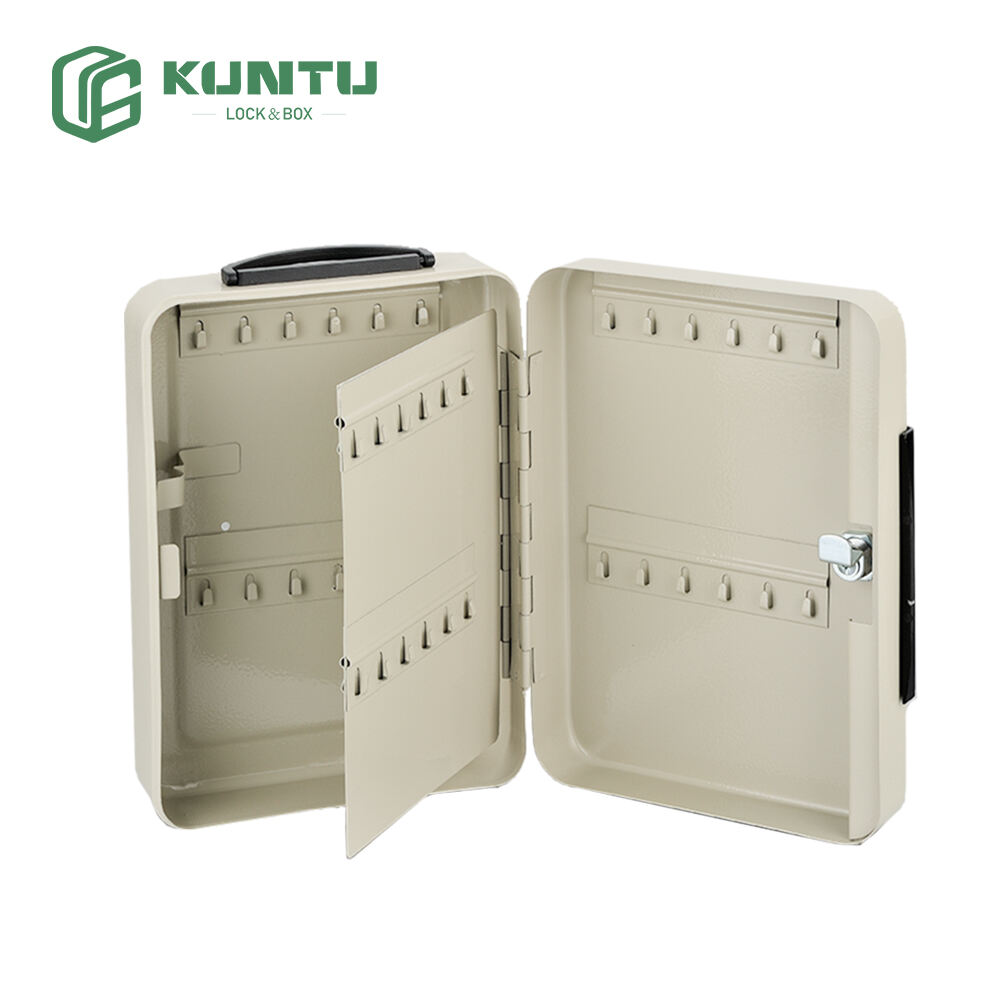
In the era of data-driven operations, property managers are no longer limited to reactive problem-solving—they can leverage actionable insights to refine workflows, cut costs, and elevate service quality. While smart key safe lock boxes are widely recognized for enabling contactless access and secure key storage, their most valuable asset often goes untapped: the wealth of access log data they generate. Every interaction with a key safe lock box—from a tenant retrieving keys to a vendor accessing a maintenance room—creates a digital footprint that, when analyzed, reveals critical operational patterns. This article explores how property managers can transform raw key safe lock box access data into strategic insights, optimizing scheduling, vendor management, and overall operational efficiency.
Access logs from a key safe lock box provide clear visibility into property viewing peak times, a game-changing insight for aligning staffing and resources with tenant and prospect demand. Traditional property viewing management relies on anecdotal evidence or manual tracking, often leading to overstaffing during slow periods or understaffing when demand surges. By analyzing timestamp data from the key safe lock box, managers can identify consistent peak windows—for example, weekday evenings between 5 PM and 7 PM, or weekend afternoons from 1 PM to 4 PM—when potential tenants, real estate agents, or inspectors most frequently access properties. This data allows managers to adjust staff schedules accordingly: assigning more team members to assist with viewings during peak hours, and reallocating staff to maintenance or administrative tasks during lulls. For example, a property management firm in Denver analyzed 6 months of key safe lock box access logs and discovered that 65% of viewings occurred on weekends. By shifting 20% of weekday staff hours to weekends, the firm reduced wait times for prospects by 35% and increased viewing-to-lease conversion rates by 18%.
Another critical insight from key safe lock box access logs is the average duration of maintenance services, which empowers managers to refine maintenance workflows and set realistic service expectations. When maintenance teams retrieve keys from a key safe lock box, the access log records the exact time of key collection and return—data that can be used to calculate the total time spent on each maintenance task. This metric helps managers identify inefficiencies: Are certain tasks consistently taking longer than industry standards? Is there a gap in staff training for complex repairs? For instance, a multi-family property in Seattle analyzed key safe lock box data and found that HVAC maintenance calls averaged 90 minutes, 30 minutes longer than the projected time. Further investigation revealed that technicians were frequently waiting for replacement parts, prompting the manager to adjust inventory levels and establish pre-visit part checks. Within three months, the average HVAC maintenance duration dropped to 65 minutes, reducing tenant disruption and allowing the team to complete 20% more service calls per day. Additionally, this data enables managers to set accurate timelines for tenants, reducing complaints about delayed or prolonged maintenance work.
Key safe lock box access logs also serve as a powerful tool for evaluating third-party service providers (vendors) performance, particularly in terms of punctuality and accountability. Property managers often rely on external vendors—such as photographers, appraisers, cleaners, and contractors—whose performance directly impacts tenant satisfaction and operational efficiency. Access logs track when vendors retrieve and return keys, providing objective data on whether they arrive on time, adhere to scheduled time windows, and complete tasks within agreed-upon durations. For example, a property management company overseeing commercial spaces used key safe lock box data to assess 10 cleaning vendors. The logs revealed that two vendors consistently arrived 15+ minutes late, while three others took 2 hours longer than contracted to complete office cleanings. Armed with this data, the manager renegotiated contracts with underperforming vendors, replaced those who failed to improve, and rewarded punctual, efficient vendors with additional business. This led to a 25% reduction in cleaning-related tenant complaints and a 12% decrease in vendor costs due to improved efficiency. Beyond punctuality, access logs also help managers verify that vendors only access properties during authorized time frames, mitigating security risks.
To maximize the value of key safe lock box access data, property managers should integrate log data with their existing property management software (PMS) or business intelligence (BI) tools. This integration automates data collection, eliminates manual spreadsheet tracking, and generates visual dashboards that highlight key metrics—peak viewing times, maintenance duration trends, and vendor punctuality rates—at a glance. Advanced smart key safe lock boxes offer cloud-based access logs, allowing managers to monitor data in real time and export reports for periodic analysis. For multi-property portfolios, centralized data analysis across all key safe lock boxes reveals cross-property trends, enabling managers to scale successful optimizations (e.g., staffing adjustments for peak times) across their entire portfolio. It’s also important to standardize data tracking—consistently labeling user types (e.g., “tenant,” “maintenance staff,” “photographer”) ensures accurate segmentation and meaningful insights.
Beyond the core insights of peak times, maintenance duration, and vendor performance, key safe lock box access logs can uncover additional operational opportunities. For example, unusual access patterns—such as frequent after-hours key retrieval by maintenance staff—may indicate unresolved issues (e.g., recurring plumbing leaks) that require proactive intervention. For vacant properties, access logs can track how often the property is viewed, helping managers adjust marketing strategies if viewings are low. Additionally, access data can support compliance efforts, providing a tamper-proof record of who accessed restricted areas (e.g., utility rooms, server closets) and when—critical for audits or security incidents.
In conclusion, a smart key safe lock box is more than a security and access tool—it is a data collection hub that fuels data-driven property management. By analyzing access logs to identify viewing peak times, optimize maintenance workflows, and evaluate vendor performance, property managers can transform operational inefficiencies into competitive advantages. The insights gleaned from these logs enable proactive decision-making, reduce costs, enhance tenant satisfaction, and streamline vendor management. As the property management industry continues to prioritize efficiency and transparency, leveraging key safe lock box access data is no longer an optional strategy but a essential practice for staying ahead in a data-driven world.