
 EN
EN
What Is a Key Safe Lock Box—and Why Security Starts with Understanding It
Core definition and functional purpose of a key safe lock box
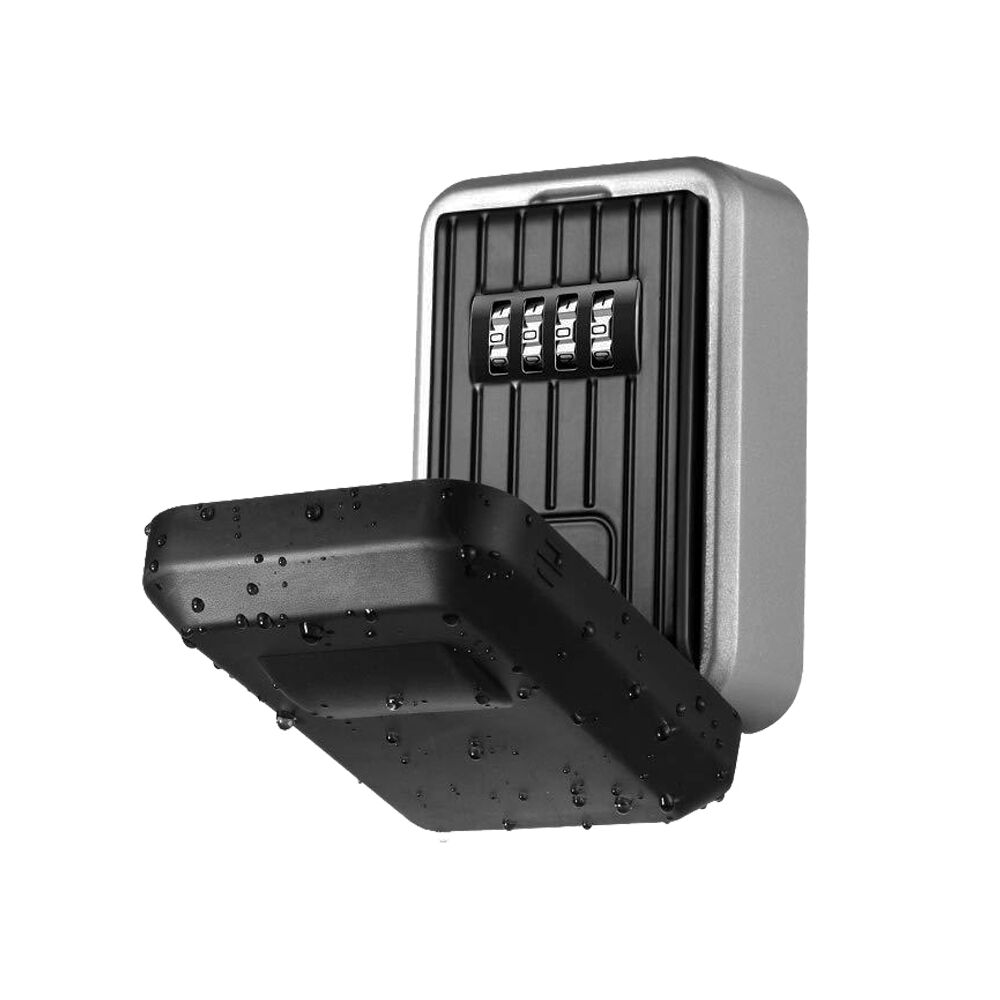
Key safe lock boxes are basically strong containers that keep physical keys and access cards safe from unwanted eyes. They let people who need them get in when necessary, whether it's family members, trustworthy neighbors, handyman services, or even police officers during emergencies, all while keeping others out. These aren't just random places to hide a key under a flowerpot or something. Real certified key safes are made with thick stuff like 3 to 4 mm steel and have locks that have been put through their paces in testing labs. The design makes it really hard for someone to drill into, pry open, smash apart, or figure out how to get inside without permission. What this means practically speaking is turning what would normally be an easy target for thieves into something much more secure. Homeowners get both convenience when they need access and peace of mind knowing that only those who should be able to get in actually can.
Mechanical vs. digital activation: How locking mechanisms impact reliability and user experience
Key safe lock boxes rely on two primary activation methods—mechanical and digital—each suited to different operational priorities:
- Mechanical locks, such as rotary combination dials, deliver exceptional durability and weather resilience. With no batteries or circuitry, they function reliably in extreme cold, heat, or humidity—making them ideal for permanent outdoor mounting. Their simplicity also eliminates software vulnerabilities, though manual code entry may slow urgent access.
- Digital locks, including keypad and Bluetooth-enabled models, support faster entry, temporary codes, and usage logging—valuable for rental managers or service teams. However, they depend on battery power and can falter in sub-zero temperatures or sustained moisture exposure.
For mission-critical reliability—especially where environmental control isn’t guaranteed—mechanical systems remain the fail-safe choice. Digital options excel where flexibility, auditability, and user management are central—provided battery maintenance and environmental limits are respected.
Security That Holds Up: Evaluating Real-World Protection in a Key Safe Lock Box
Lock type comparison: Key, combination, and smart lock boxes for varying threat models
The security effectiveness really depends on what kind of lock we're talking about, both on paper and when actual attacks happen. Traditional key operated boxes are convenient sure, but they come with real problems. Master keys get misplaced all the time, end up in the wrong hands, or someone manages to copy them without anyone noticing. Combination locks that use four digits solve the key issue, but they aren't foolproof either. People watching from nearby can catch the code, or worse, thieves can run through all 10,000 combinations pretty fast with some simple equipment these days. Most smart lock boxes are better protected though, especially ones with Bluetooth encryption, temporary passcodes, or fingerprint readers. These features make it harder for random grabbers or organized criminals to break in. But there's a catch. The batteries need regular attention, and if manufacturers don't keep updating their software, those fancy locks become vulnerable to digital attacks instead.
| Lock Type | Ideal For | Attack Resistance | Key Vulnerability |
|---|---|---|---|
| Key | Low-risk residential use | Low | Physical theft/loss of key |
| Combination | Moderate-risk rentals | Medium | Code observation/brute force |
| Smart | High-security/commercial | High | Battery failure/cyber hacks |
Certifications that matter: LPS1175, Secured by Design, and what they actually guarantee
When it comes to real world security, independent certification remains one of the best ways to measure effectiveness. Take LPS1175 from the Loss Prevention Certification Board (LPCB). This test puts security devices through their paces with actual tools like drills, angle grinders, and those big hydraulic spreaders for around five minutes straight. If something passes this test, it means it can hold up long enough to stop most random break-ins or even some pretty determined thieves. On the other side of things we have Secured by Design (SBD), which is run by UK police forces. Instead of just looking at physical strength, SBD checks how well products fit into overall security systems. They look at things like hiding installations, making sure components cant be tampered with easily, proper mounting techniques, and how products work within their surroundings. While LPS1175 tells us if something can withstand direct force, SBD makes sure these products actually make sense when installed properly. Getting both certifications covers all bases really well because businesses need protection against quick smash and grab attempts as well as longer term attacks where criminals bring out the heavy equipment.
Matching the Right Key Safe Lock Box to Your Specific Needs
Use-case alignment: Residential, rental property, contractor, or emergency access scenarios
Choosing the correct key safe lock box really depends on how people actually use it day to day rather than just thinking about what risks might exist. Most homeowners want something simple to install that doesn't draw attention to itself. A good old fashioned mechanical combo box works fine for them. Property managers who deal with lots of tenants coming and going need tougher commercial grade boxes with things like audit logs so they know who accessed what when. These also let managers change codes remotely and get alerts if someone tries to mess with the box. Contractors working on site visits find value in temporary digital codes that disappear after service work is done, which stops unwanted access later on. Firefighters and other emergency crews absolutely need boxes rated for fire resistance since many cities now require this equipment to survive intense heat and even building collapses during emergencies. In busy city environments, extra security measures become necessary too. Anti-shim designs prevent thieves from prying open locks while special mounting hardware stops anyone from simply wrenching the whole box off the wall.
Payload and environment: Keys, access cards, or small valuables—how size and contents shape design choices
The amount of stuff we need to store inside really affects what kind of structure we need to build. For just holding keys, something small like a 0.5 liter container works fine. But when dealing with access cards or tiny valuable items, bigger spaces between 1 and 2 liters make more sense. These need special padding inside plus those fancy RFID shields so nothing gets damaged and signals don't escape. Choosing the right material matters a lot depending on where these boxes will be placed. Take marine grade stainless steel for example, specifically AISI 316L type. This stuff holds up way better against salt air compared to regular zinc alloys. According to NACE International research from 2022, boxes made with this steel last about ten years near coastlines instead of barely making it through eighteen months with cheaper alternatives. Basically, how much money is at stake and how harsh the environment is determines exactly what kind of strength our storage solutions need.
| Stored Items | Minimum Material Thickness | Recommended Weatherproofing | Essential Security Feature |
|---|---|---|---|
| Keys Only | 2mm steel | IP54 splash resistance | Anti-pick latch |
| Access Cards | 3mm reinforced steel | IP66 dust/waterproof | RFID-shielded lining |
| Valuables | 4mm hardened steel | IP67 waterproof (immersion) | Dual-layer relockers |
Urban installations often demand BoltDown® brackets to defeat wrench attacks—a critical upgrade for units holding irreplaceable items.
Installation, Durability, and Long-Term Reliability of Your Key Safe Lock Box
Getting the installation right forms the base for good security when it comes to key safe lock boxes. Always fix these devices onto sturdy materials that can hold weight properly brickwork, concrete walls, or real wood structures using strong bolts that won't give way or sometimes even professional welding if needed. Don't put them where anyone can see them near door frames or window areas. Hiding them away works wonders as a theft prevention tactic. According to research conducted by UK locksmiths, around seven out of ten broken into units had either been mounted on flimsy stuff like hollow core doors or attached to lightweight exterior panels, plus they were often sitting in plain sight where thieves could spot them immediately.
Material quality determines long-term resilience:
- Cast zinc or hardened steel casings resist prying and environmental degradation
- Weatherproof seals and anti-corrosion coatings prevent rust in humid or coastal climates
- UV-stabilized finishes maintain structural integrity and color fidelity under prolonged sun exposure
Regular maintenance simply cannot be skipped if we want these systems to last. Every three months, take a look at the mechanisms for any buildup of dirt or signs of sticking. Apply graphite based lubricant once a year to those moving components (and absolutely avoid oil since it tends to attract all sorts of gritty particles). Don't forget to check how secure everything is mounted and whether there are any cracks forming in the seals. For installations near coastlines or in industrial areas where salt air or chemicals hang around, bump up inspections to every six weeks because corrosion happens much faster there. Most devices carrying the LPS1175 certification will run reliably for over a decade when properly maintained, often lasting about five years longer than their uncertified counterparts. When people skip on routine maintenance, they're not just cutting short the life of the equipment, they're actually compromising the security protection that made them install it in the first place.
FAQ Section
What is a key safe lock box?
A key safe lock box is a secure container used to store physical keys and access cards to prevent unauthorized entry while providing access to those who need it, such as family, neighbors, or emergency personnel.
What are the main types of locks in key safe lock boxes?
The main types include mechanical locks, digital locks, and smart locks. Mechanical locks offer durability and are weatherproof, while digital locks provide fast entry and remote management. Smart locks offer advanced security features but may require regular battery maintenance.
What certifications should I look for when choosing a key safe lock box?
Look for certifications such as LPS1175 and Secured by Design (SBD). LPS1175 assesses the device's ability to endure physical attacks, while SBD ensures products integrate well into overall security systems.
What factors should I consider when selecting a key safe lock box?
Consider the intended use, such as residential, rental property, or emergency access, as well as the environmental factors and material durability. The amount and type of items stored also determine the box's design and material.
Table of Contents
- What Is a Key Safe Lock Box—and Why Security Starts with Understanding It
- Security That Holds Up: Evaluating Real-World Protection in a Key Safe Lock Box
- Matching the Right Key Safe Lock Box to Your Specific Needs
- Installation, Durability, and Long-Term Reliability of Your Key Safe Lock Box
- FAQ Section