
 EN
EN
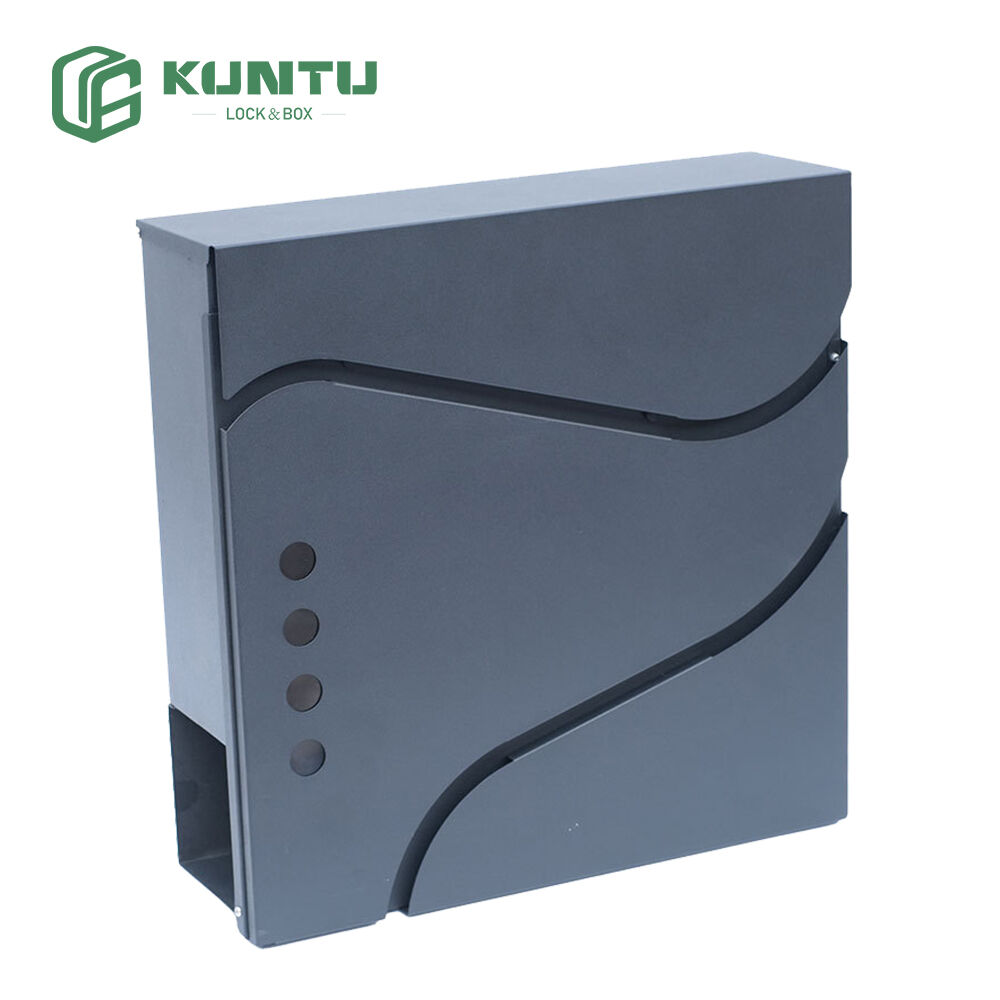
USPS Compliance and Delivery Method: The Non-Negotiable Foundation
Your mailbox isn't just decorative; it's a federally regulated access point. The United States Postal Service (USPS) mandates strict protocols for residential mail delivery—noncompliance can delay mail, trigger non-delivery notices, or even suspend service entirely. Compliance starts with matching your mailbox type to USPS-approved delivery methods.
Curbside, Wall-Mounted, and Door Slot Mailboxes: Matching Design to USPS Walk-Up or Curbside Delivery Protocols
The United States Postal Service handles deliveries in two main ways: curbside where the carrier stays in the truck, or walk-up when they get out of their vehicle. For those curbside boxes, they need to point toward the street and sit between roughly 41 inches to 45 inches off the ground from the road level. Wall mounted mailbox options work best for walk up service, but there needs to be clear path along the sidewalk so the mailman can reach them easily. Apartment buildings and houses with enclosed entrances typically use door slots since these let carriers drop off letters without stepping onto someone's property. Getting the wrong kind installed matters quite a bit actually. People who put up wall mounted boxes in areas where curbside service is what everyone else gets usually end up missing their mail regularly because the carrier just drives past looking for something different.
STD-4C and STD-7B01 Standards: How USPS Approval Shapes Size, Security, and Placement Requirements
USPS approval requires adherence to either STD-4C (for curbside boxes) or STD-7B01 (for wall-mounted and door-slot units). These standards govern dimensions, security features, and placement—not recommendations, but mandatory requirements for reliable service.
- Size: All approved residential mailboxes must accommodate standard letter-sized mail, requiring a minimum interior volume of 19" × 6.5" × 15".
- Security: Locking mechanisms must allow carrier access without keys—typically via a carrier key slot or universal lever system—while preventing unauthorized entry.
- Placement: Curbside boxes require a 30"–48" setback from the roadway edge and must be positioned to avoid obstructing traffic or pedestrian paths.
| Standard | Mailbox Type | Key Requirement | Placement Rule |
|---|---|---|---|
| STD-4C | Curbside | 19" × 6.5" × 15" interior | 41–45" height, road-facing |
| STD-7B01 | Wall/Door Slot | Carrier-access locks | Accessible without dismounting |
Non-compliant installations risk mail suspension until corrected.
Mailbox Materials and Styles: Balancing Long-Term Durability with Architectural Harmony
Aluminum, Stainless Steel, Brass, and Weather-Resistant Plastics: Corrosion Resistance, Lifespan, and Regional Climate Considerations
Material choice directly impacts longevity, maintenance, and performance under local conditions.
- Aluminum offers affordability and moderate rust resistance, lasting 10–15 years in dry inland climates—but dents easily and degrades faster near saltwater or heavy industrial pollution.
- Stainless steel, especially grades 304 or 316, delivers superior corrosion resistance and structural integrity, routinely exceeding 20 years with minimal upkeep—making it the top recommendation for coastal, high-humidity, or hurricane-prone regions.
- Brass develops a natural patina that protects against oxidation, though in humid or polluted environments, regular polishing may be needed to preserve appearance and prevent greenish tarnish.
- UV-stabilized plastics (e.g., polypropylene or ABS composites) resist fading and moisture damage for 5–10 years, performing well in desert heat—but can become brittle below freezing, limiting suitability in northern climates.
Select material based on verified regional stressors—not aesthetics alone.
Antique, Colonial, Modern, and Rustic Designs: Selecting a Mailbox Style That Complements Your Home’s Exterior
A well-chosen style reinforces architectural cohesion and enhances curb appeal.
- Antique designs—featuring scrollwork, wrought-iron detailing, and aged bronze or copper finishes—harmonize with Victorian, Tudor, or Craftsman homes.
- Colonial styles, often marked by eagle motifs, symmetrical proportions, and classic black or brass finishes, complement traditional brick or clapboard facades.
- Modern mailboxes emphasize clean lines, matte metallic surfaces (e.g., brushed stainless or powder-coated aluminum), and minimalist forms—ideal for contemporary homes with glass, steel, or concrete elements.
- Rustic options—including hammered metal, reclaimed wood accents, or forged iron—anchor farmhouse, mountain lodge, or cottage-style exteriors.
Align finish and texture with existing site elements: black matches wrought-iron railings or window frames; copper tones echo standing-seam roofs or gutter systems. This intentional coordination transforms utility into intentional design.
Smart Functionality: Security, Capacity, and Daily Usability of Your Mailbox
Locking Mechanisms, Anti-Pry Construction, and Rear Access: Evidence-Based Theft Prevention for Residential Mailboxes
Mail theft remains a serious vulnerability: identity fraud linked to stolen mail averages over $740,000 per incident (Ponemon Institute, 2023). Effective prevention relies on three integrated features—not just one.
- Tamper-proof locking mechanisms, such as dual-latch or rotating cam systems, deter forced entry better than simple spring latches.
- Anti-pry construction, including reinforced corners, welded seams, and internal bracing, significantly increases resistance to crowbar attacks.
- Rear-access designs, where carriers deposit mail through a secure panel inaccessible from the front, eliminate exposure points while preserving convenience.
Hardened-steel internal components—not plastic or thin-gauge alternatives—raise forced-entry resistance by 300% (Security Hardware Journal, 2024). For verifiable protection, prioritize models tested to ASTM F1208 standards for tamper resistance.
Newspaper Holders, Outgoing Mail Slots, and Parcel-Safe Dimensions: Practical Features Guided by USPS STD-4C Minimums
Daily usability hinges on thoughtful functional integration—not just compliance.
- Integrated newspaper holders, especially those with weather shields or side-loading access, prevent theft and rain damage to daily subscriptions.
- Outgoing mail slots positioned at the rear or side reduce visibility of sensitive envelopes—avoiding front-facing slots that expose return addresses and personal information.
- Parcel-safe capacity requires meeting USPS STD-4C minimum interior dimensions (19" × 6.5" × 15") to reliably accept small packages, padded mailers, and standard shipping boxes. Verify actual usable depth accounts for internal hardware—some models sacrifice up to 2" of clearance due to hinge or lock mechanisms.
These features collectively streamline household routines while reducing porch piracy risk and maintaining full USPS compliance.
Installation and Placement: Ensuring Code Compliance, Safety, and Long-Term Accessibility
Proper installation is as critical as product selection. It bridges regulatory compliance, safety, and long-term functionality.
Begin by reviewing both USPS placement guidelines and local municipal codes, which may impose additional permit requirements, setback rules, or height restrictions—especially for curbside installations near roadways or sidewalks.
Mounting must ensure structural stability: posts should be set below frost line in cold climates and anchored with concrete or heavy-duty brackets. For wall-mounted units, use lag bolts into solid framing—not just siding or trim—to withstand wind loads and repeated carrier use.
Critical USPS specifications include:
- Height: 41"–45" from road surface to bottom of mailbox opening.
- Setback: 6"–8" from curb edge (or shoulder, if no curb) to front of box.
- Clearance: Unobstructed sightlines for carriers, free of low-hanging branches, sprinkler heads, or decorative stones that impede approach or pose tripping hazards.
Correct placement prevents service interruptions, reduces weather-related wear, minimizes theft opportunity, and supports ergonomic access for carriers and residents alike—fulfilling both legal obligations and practical needs.
Frequently Asked Questions
What are USPS-approved mailbox designs?
USPS-approved mailbox designs include curbside, wall-mounted, and door slot mailboxes that adhere to standards like STD-4C and STD-7B01 for size, security, and placement.
How does mailbox material impact its longevity?
Materials like aluminum, stainless steel, brass, and UV-stabilized plastics vary in corrosion resistance, lifespan, and suitability to environmental stressors, influencing maintenance and durability.
What are the critical placement rules for mailboxes?
Mailboxes must be correctly positioned according to USPS guidelines, which include specific height, setback, and clearance requirements to ensure delivery accessibility.
How can I prevent mail theft?
Preventive measures include using tamper-proof locking mechanisms, anti-pry construction, and rear-access designs to enhance security against mail theft.
Why is mailbox style important?
Mailbox style matters because it should match the architectural design of your home, enhancing curb appeal through thoughtful aesthetic integration.
Table of Contents
- USPS Compliance and Delivery Method: The Non-Negotiable Foundation
- Mailbox Materials and Styles: Balancing Long-Term Durability with Architectural Harmony
- Smart Functionality: Security, Capacity, and Daily Usability of Your Mailbox
- Installation and Placement: Ensuring Code Compliance, Safety, and Long-Term Accessibility
- Frequently Asked Questions