
 EN
EN
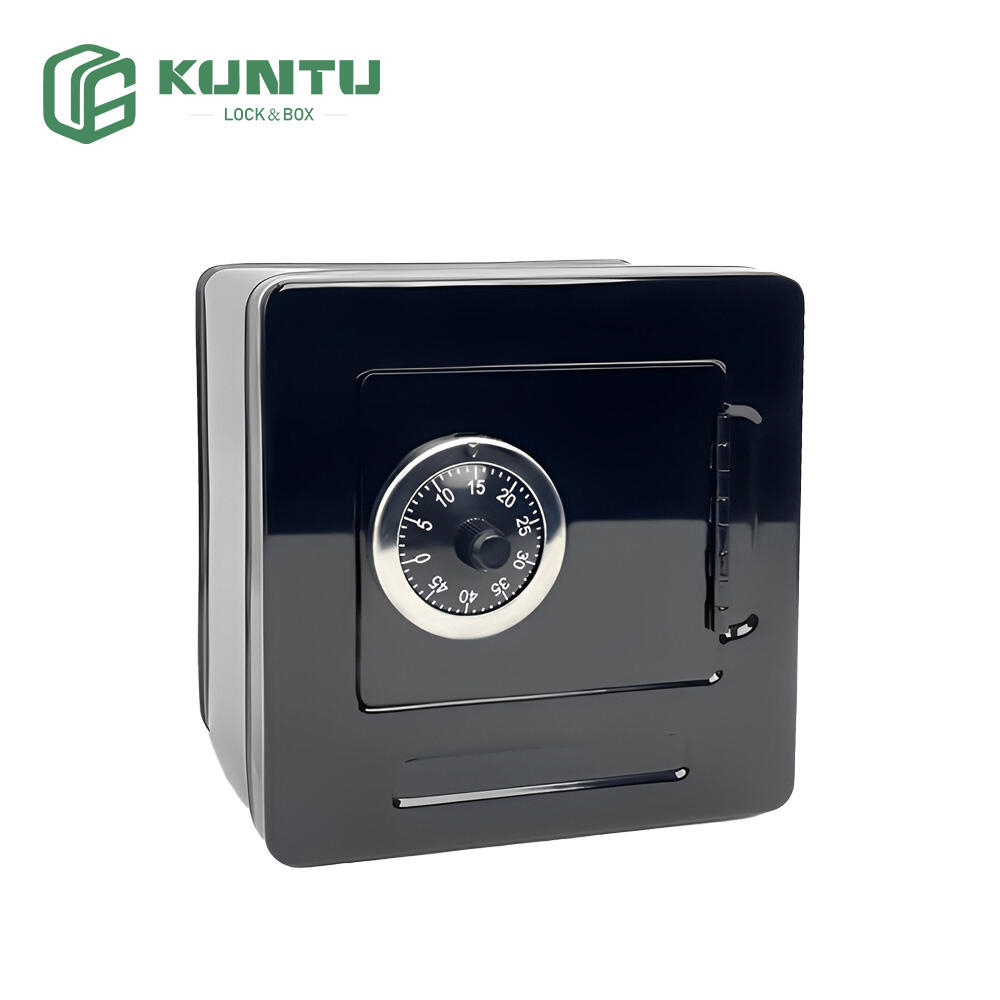
In an era dominated by digital transactions, creative works, and remote livelihoods, the security of digital assets has become a paramount concern for cryptocurrency holders, digital creators, and freelancers alike. While cybersecurity tools like firewalls, antivirus software, and encrypted wallets offer virtual protection against hackers and malware, they fall short when facing physical threats—from theft and accidental damage to natural disasters. This is where a high-quality house safe steps in, serving as the final and most reliable line of defense for your hardware wallets, backup hard drives, and critical passwords through physical cold storage.
For cryptocurrency enthusiasts, hardware wallets are widely recognized as a safer alternative to hot wallets connected to the internet. However, even the most robust hardware wallet is vulnerable if left unprotected. A stolen or damaged hardware wallet can result in the permanent loss of access to digital currencies, with no recourse for recovery. Similarly, digital creators—photographers, videographers, writers, and designers—invest countless hours into crafting original content, storing backups on external hard drives. These drives are prone to physical damage from drops, spills, or environmental hazards, putting years of work at risk. Freelancers, who rely on digital contracts, client data, and payment records, also face the threat of losing critical information that sustains their businesses. In all these cases, a house safe provides an immutable physical barrier that complements digital security measures.
Not all house safes are created equal, and selecting the right one requires careful consideration of specific performance features tailored to protect digital assets. Fire resistance is a non-negotiable attribute. Look for a house safe with a verified fire rating—typically ranging from 30 minutes to 2 hours at high temperatures (e.g., 1,700°F/927°C). This ensures that hardware wallets and hard drives inside remain intact even if a fire breaks out in your home, as extreme heat can melt plastic components and corrupt data storage devices.
Waterproofing is another critical feature, especially for areas prone to floods, pipe bursts, or sprinkler system activation during a fire. A waterproof house safe—preferably with an IPX7 or higher rating—prevents water from seeping in and damaging electronic devices. Even a small amount of moisture can short-circuit hardware wallets or render hard drives unreadable, making waterproofing essential for comprehensive protection.
For digital assets stored on magnetic media (such as traditional hard drives), anti-magnetic protection is a game-changer. Electromagnetic fields (EMFs) from household appliances, power surges, or even nearby lightning strikes can erase or corrupt data on magnetic storage devices. An anti-magnetic house safe uses specialized materials to shield its interior from EMFs, preserving the integrity of your backups. Note that solid-state drives (SSDs) are less susceptible to magnetic interference, but hardware wallets—many of which contain magnetic components—still benefit from this protection.
Beyond these core performance features, consider the size and lock type of the house safe. Opt for a size that accommodates your current assets—hardware wallets, multiple hard drives, password journals, and any future expansions—without being overly bulky. Lock options range from traditional key locks to digital keypad locks, biometric scanners (fingerprint or facial recognition), and even smart locks that can be monitored remotely. Biometric and smart locks offer added convenience and security, as they eliminate the risk of lost keys and allow you to track access attempts.
It’s also important to place your house safe strategically. Avoid obvious locations like closets or under beds; instead, choose a discreet spot—such as bolted to the floor in a basement, hidden behind a bookshelf, or embedded in a wall. Bolting the safe to a solid surface prevents thieves from carrying it away, buying you valuable time and reducing the risk of asset loss.
In conclusion, a house safe is not just a luxury—it’s a necessity for anyone looking to secure their digital assets comprehensively. By combining fire, water, and anti-magnetic protection, it addresses the unique vulnerabilities of hardware wallets, backup drives, and critical passwords that digital security tools alone cannot mitigate. For cryptocurrency holders, digital creators, and freelancers, investing in a high-quality house safe is an investment in peace of mind, ensuring that your most valuable digital assets remain protected against both virtual and physical threats for years to come.