
 EN
EN
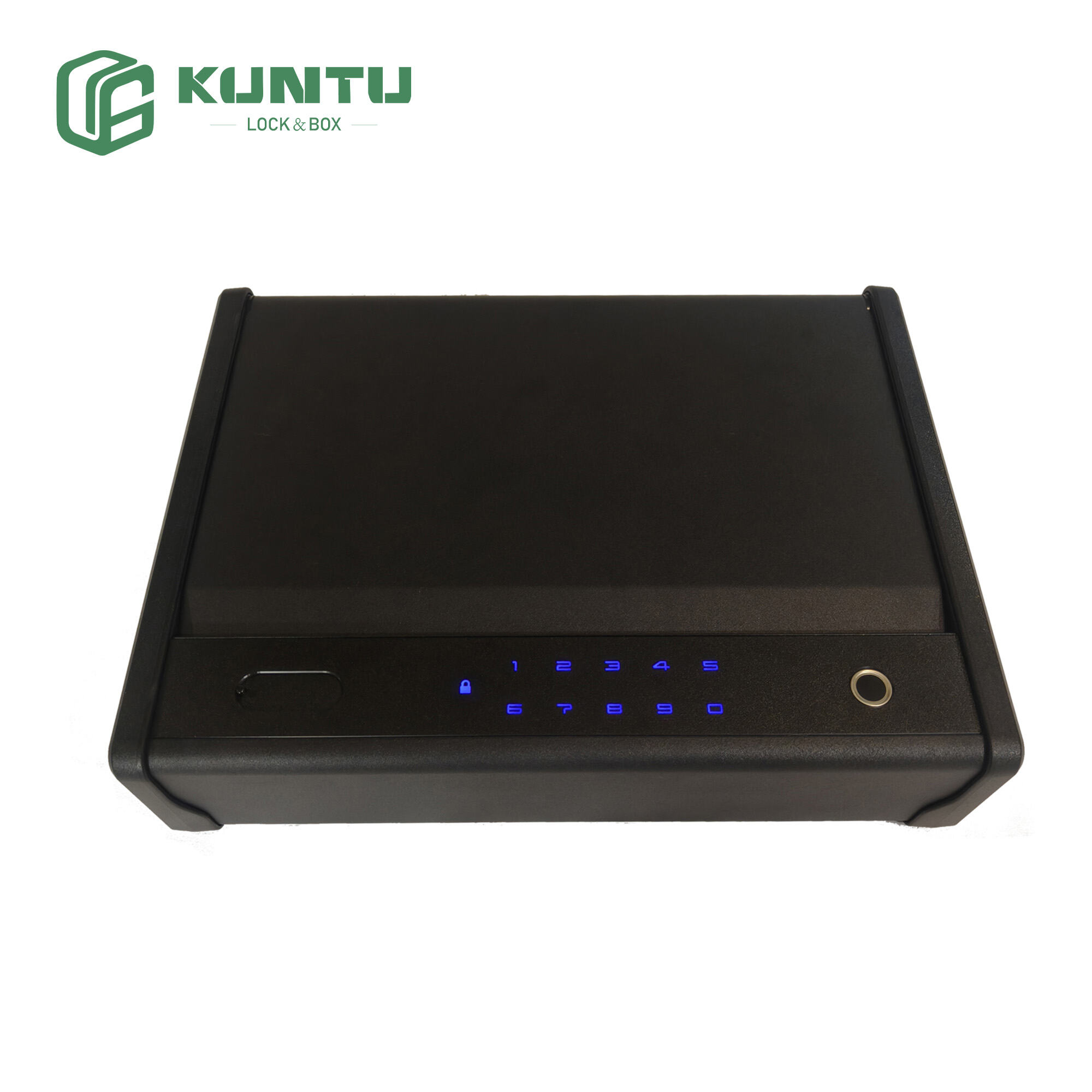
In the era of smart home security, integration is the cornerstone of a robust defense strategy. For system integrators and engineering clients, the ability to unify disparate security devices into a seamless ecosystem is not just a value-added service—it’s a competitive imperative. Among these devices, the modern gun safe box has evolved beyond a standalone storage unit, leveraging IoT (Internet of Things) technology to become a critical "force multiplier" for home security. By integrating its alert functions—such as unauthorized access attempts, authorized opening notifications, and tamper alerts—into mainstream security systems, the gun safe box transforms from a passive storage solution into an active component of intelligent defense. This article explores how IoT-enabled gun safe boxes seamlessly connect to existing security infrastructures, addressing the needs of system integrators and engineering clients while elevating the overall security posture of residential and commercial properties.
The Evolution of Gun Safe Boxes: From Passive Storage to Active IoT Nodes
Traditional gun safe boxes were designed with a singular purpose: to physically secure firearms from theft or unauthorized access. While effective at their core function, they operated in isolation, offering no visibility into security events or integration with broader home defense systems. Today’s IoT-enabled gun safe boxes change this paradigm by embedding connectivity and smart alert capabilities. Key IoT features that drive integration value include: real-time alerts for illegal unlocking attempts (e.g., drilling, prying, or multiple failed access tries), instant notifications for authorized openings (allowing users and integrators to track safe activity remotely), tamper detection for physical movement or disconnection from power/network, and battery low warnings to prevent system downtime. These features turn the gun safe box into an active IoT node, generating actionable data that enhances the intelligence of the entire security ecosystem.
For system integrators, this evolution is game-changing. Clients—whether high-net-worth homeowners, commercial property managers, or security-conscious families—demand holistic solutions where every device works in tandem. A gun safe box that communicates with alarm panels, surveillance cameras, smart locks, and mobile apps creates a closed-loop security system, where an alert from the safe triggers a coordinated response (e.g., activating cameras, locking doors, or notifying security personnel). This level of integration not only improves security efficacy but also positions integrators as providers of comprehensive, future-ready solutions.
Seamless Integration: Connecting Gun Safe Boxes to Mainstream Security Systems
1. Compatibility with Industry-Standard Protocols
The foundation of successful integration lies in protocol compatibility. Top-tier IoT gun safe boxes support mainstream industry protocols, ensuring they can connect to leading security systems without proprietary barriers. Key protocols for system integrators to prioritize include: Z-Wave and Zigbee (for wireless home automation systems, compatible with brands like Honeywell, ADT, and Vivint), Wi-Fi (for direct cloud connectivity and remote monitoring), and TCP/IP (for commercial-grade security infrastructures). Some advanced models also offer integration with REST APIs or MQTT protocols, enabling custom integration with proprietary systems developed by integrators for specific clients.
For example, a gun safe box with Z-Wave connectivity can seamlessly pair with a home’s existing alarm panel. When an unauthorized access attempt is detected, the safe sends a signal to the panel, which then triggers a chain reaction: activating interior and exterior cameras to record the event, sending push notifications to the user’s mobile app, and alerting a professional monitoring service if enabled. This compatibility eliminates the need for separate control systems, reducing installation complexity and improving user experience—two critical factors for engineering clients focused on efficiency and scalability.
2. Coordinated Response Workflows: Turning Alerts into Action
Integration is more than just connectivity—it’s about creating intelligent workflows that turn safe alerts into meaningful security actions. System integrators can design customized response protocols based on the type of alert generated by the gun safe box, aligning with the client’s unique security needs. For instance:
-
Unauthorized Access Attempts: Trigger immediate local alarms (sirens, strobe lights), lock all entry points (smart doors, garage doors), activate nearby surveillance cameras to capture footage, and send priority alerts to the user and monitoring center. This rapid response deters intruders and provides critical evidence for law enforcement.
-
Authorized Openings: Send a confirmation notification to the user’s mobile device, log the event in the security system’s activity history, and (optionally) disarm specific alarm zones temporarily to allow safe access without triggering false alerts. This feature is particularly valuable for families with multiple authorized users, as it provides transparency into safe activity.
-
Tamper or Disconnection Alerts: Notify the user and integrator of potential sabotage (e.g., the safe being moved or disconnected from power), trigger cameras to monitor the safe’s location, and send a service alert for immediate inspection. This prevents attackers from disabling the safe’s IoT capabilities to avoid detection.
By designing these workflows, integrators transform the gun safe box from a standalone device into a central trigger point for coordinated security responses, adding significant value to the overall system.
3. Remote Monitoring and Management for Integrators
For engineering clients and integrators, remote monitoring and management capabilities are essential for maintaining large-scale security systems. IoT gun safe boxes offer cloud-based dashboards that allow integrators to monitor the status of multiple safes across different properties from a single interface. Key management features include: real-time status updates (locked/unlocked, battery level, connectivity status), historical activity logs (tracking all access attempts and openings), and remote troubleshooting (resetting locks, updating firmware, or resolving connectivity issues). This level of visibility reduces on-site service calls, lowers maintenance costs, and enables proactive support—critical for clients managing multiple residential or commercial properties.
Additionally, these dashboards integrate with the broader security system’s management platform, allowing integrators to view safe alerts alongside other security events (e.g., motion detections, door breaches) in a unified interface. This holistic visibility enables faster decision-making and more effective incident response, positioning integrators as trusted partners in maintaining long-term security.
Why Integrators Should Prioritize IoT-Enabled Gun Safe Boxes
For system integrators targeting residential and commercial security markets, offering IoT-enabled gun safe boxes as part of integrated solutions delivers multiple competitive advantages:
1. Meeting Client Demand for Holistic Security
Modern clients reject fragmented security systems. Homeowners and property managers want a single, cohesive solution where all devices work together. By integrating a gun safe box into the overall ecosystem, integrators address a critical gap in security—securing high-value, high-risk items (firearms) while enhancing the functionality of the entire system. This comprehensive approach differentiates integrators from competitors offering standalone devices.
2. Creating Recurring Revenue Streams
IoT-enabled gun safe boxes enable recurring revenue opportunities for integrators. Cloud-based monitoring, firmware updates, and ongoing support services generate steady income beyond the initial installation. Additionally, as clients expand their security systems, integrators can upsell additional IoT devices (e.g., smart cameras, motion sensors) that integrate with the gun safe box, increasing customer lifetime value.
3. Enhancing System Reliability and Reducing Liability
A integrated system with real-time alerts and coordinated responses is more reliable than disparate devices. By ensuring the gun safe box is part of this ecosystem, integrators reduce the risk of security breaches related to improper firearm storage—lowering liability for both the integrator and the client. Additionally, activity logs and remote monitoring provide accountability, ensuring compliance with local regulations for firearm storage in commercial or residential settings.
Key Considerations for Selecting an Integrator-Friendly Gun Safe Box
When recommending or installing a gun safe box for integrated security systems, integrators should prioritize the following features:
-
Open Protocol Support: Avoid proprietary systems that limit integration flexibility. Choose safes with support for Z-Wave, Zigbee, Wi-Fi, or API integration to ensure compatibility with mainstream security platforms.
-
Robust Alert Capabilities: Ensure the safe offers comprehensive alerts (unauthorized access, tamper, battery low) with customizable trigger thresholds to align with client needs.
-
Cloud Management Tools: Opt for safes with intuitive cloud dashboards that integrate with existing security management platforms, enabling remote monitoring and troubleshooting.
-
Durability and Security: Don’t compromise on physical security. The safe should feature heavy-gauge steel, anti-pry construction, and advanced locking mechanisms (biometric, keypad) to complement its IoT capabilities.
-
Reliable Connectivity: Choose safes with backup power (battery) and redundant connectivity options (e.g., Wi-Fi + cellular backup) to ensure alerts are never lost due to power or network outages.
Conclusion: The Gun Safe Box as a Cornerstone of Integrated Security
As smart home security evolves, the IoT-enabled gun safe box has emerged as a critical component of integrated ecosystems—acting as a "force multiplier" that enhances the efficacy of cameras, alarms, and access control systems. For system integrators and engineering clients, this presents a unique opportunity to deliver comprehensive, future-ready security solutions that meet client demand for connectivity, reliability, and peace of mind. By prioritizing compatibility, coordinated workflows, and remote management capabilities, integrators can leverage the gun safe box to differentiate their services, create recurring revenue streams, and build long-term client trust.
In the end, the true value of an integrated security system lies in its ability to turn individual devices into a unified defense network. The IoT-enabled gun safe box is no longer just a storage solution—it’s a smart, active node that strengthens the entire ecosystem, ensuring that firearms are secured, alerts are actionable, and clients are protected. For integrators looking to lead in the smart security market, embracing this evolution is essential.
Table of Contents
- The Evolution of Gun Safe Boxes: From Passive Storage to Active IoT Nodes
- Seamless Integration: Connecting Gun Safe Boxes to Mainstream Security Systems
- Why Integrators Should Prioritize IoT-Enabled Gun Safe Boxes
- Key Considerations for Selecting an Integrator-Friendly Gun Safe Box
- Conclusion: The Gun Safe Box as a Cornerstone of Integrated Security