
 EN
EN
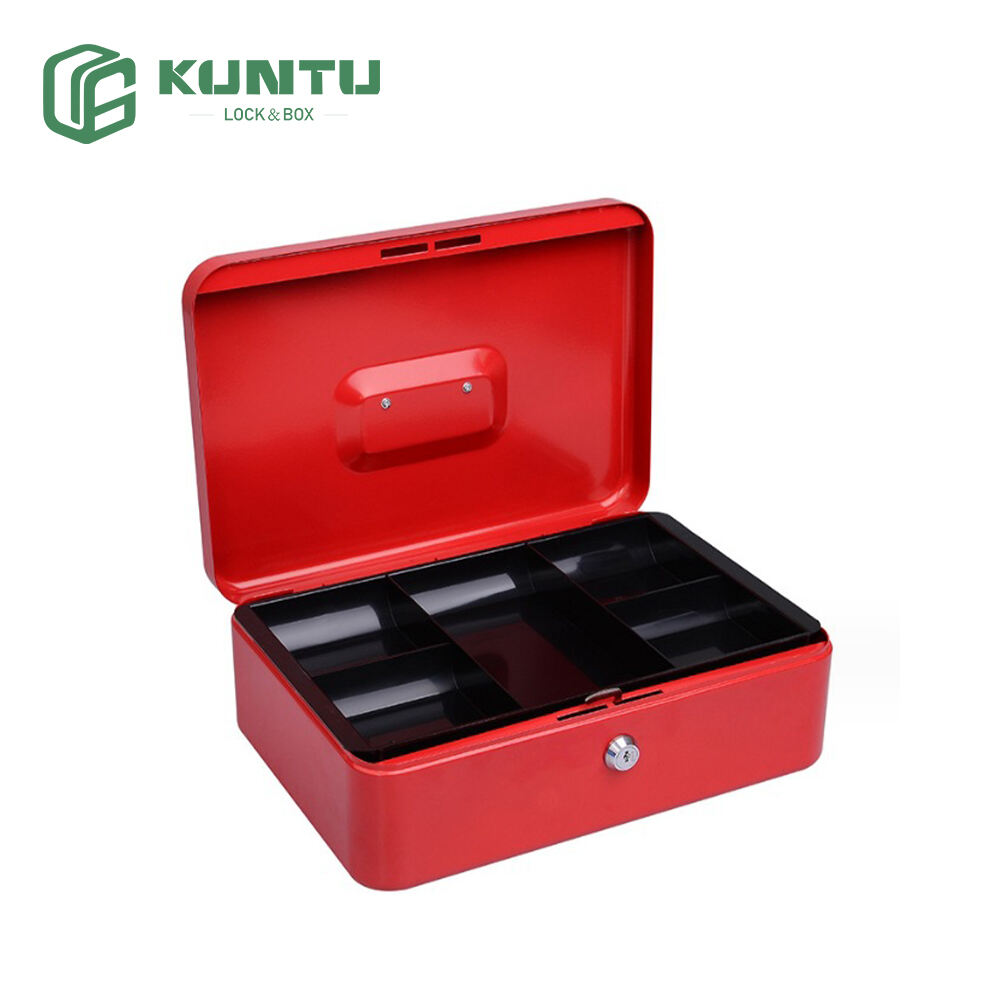
Heirlooms carry the weight of family history—each piece, from a grandmother’s jewelry and a grandfather’s pocket watch to a handwritten family recipe book, holds irreplaceable emotional value that transcends material worth. Similarly, critical documents like wills, land deeds, property titles, and birth certificates are the backbone of a family’s long-term security, governing inheritance, assets, and legal rights. Yet, these treasures and essentials are vulnerable to the whims of nature—fires, floods, and other disasters can wipe out generations of memories and shatter careful estate plans in an instant. A disaster-resistant house safe is more than a storage device; it is a silent guardian, preserving family legacy and securing the future by shielding what matters most from unforeseen calamities.
The true value of a house safe for family heirlooms and important documents lies in its ability to stand against nature’s fury, turning moments of crisis into opportunities to protect heritage. Unlike ordinary storage boxes, a high-quality house safe is engineered to resist the two most common and destructive household disasters: fire and flood. For families invested in long-term planning, prioritizing these protective capabilities is not just a practical choice—it is an act of love, ensuring that stories, traditions, and legal safeguards are passed down intact to future generations.
Fire protection is the cornerstone of any reliablehouse safe for heirlooms and documents, and understanding UL (Underwriters Laboratories) fire ratings is essential to making an informed choice. UL fire ratings certify a safe’s ability to maintain an internal temperature low enough to protect contents during a fire. For paper documents (such as wills and deeds), the critical threshold is 350°F (177°C)—exceeding this temperature will cause paper to char and become unreadable. Look for a house safe with a UL Class 350 rating, which guarantees that internal temperatures will not surpass 350°F for a specified duration (typically 30 minutes, 1 hour, or 2 hours). For more delicate heirlooms—like fabric, photos, or wooden artifacts—a lower internal temperature rating (such as UL Class 125) is preferable, as it prevents heat-induced discoloration, warping, or melting. The longer the fire resistance duration, the greater the chance your valuables will survive until firefighters can extinguish the blaze.
Flood protection is equally vital, as water damage can be just as devastating as fire—soaking documents until they disintegrate, tarnishing metal heirlooms, and ruining fabric or leather pieces. A house safe with robust waterproofing relies on airtight, rubberized seals that prevent water from seeping into the interior, even when submerged. Look for safes with a verified waterproof rating, such as IPX7 or higher, which means they can withstand submersion in up to 3 feet of water for 30 minutes or more. For homes in flood-prone areas, consider a house safe with both waterproof and water-resistant construction—some models are designed to float, keeping contents above water levels during flash floods. Additionally, opt for a safe with a corrosion-resistant interior, as trapped moisture (even in non-flood scenarios) can damage metal heirlooms over time.
Beyond fire and flood protection, the role of ahouse safe as a “family memory guardian” demands consideration of other practical features. Size is a key factor—ensure the safe is spacious enough to accommodate current heirlooms and documents, plus any future additions (such as new deeds, family photos, or passed-down items). For delicate pieces like jewelry or fragile documents, look for a safe with interior compartments, velvet liners, or adjustable shelves to prevent scratches and damage from movement. Lock type also matters for both security and accessibility: biometric locks (fingerprint scanners) or digital keypad locks offer quick access for authorized family members, while traditional key locks provide simplicity. For added peace of mind, choose a house safe that can be bolted to the floor or wall, deterring theft and ensuring it stays in place during natural disasters like earthquakes.
A house safe is more than a security tool—it is a vessel for family legacy. It safeguards the handwritten letters that tell the story of your ancestors, the jewelry that marked milestones, and the legal documents that secure your family’s future. When disaster strikes, it is the difference between losing a lifetime of memories and passing them on with pride. For those who view family as the greatest asset, investing in a disaster-resistant house safe is an investment in continuity—ensuring that the love, history, and security you cherish today will be there for your children, grandchildren, and beyond.
In the end, choosing the righthouse safe for heirlooms and important documents is about balancing practical protection with emotional significance. By prioritizing UL fire ratings, waterproof seals, and thoughtful design, you are not just storing valuables—you are preserving a legacy. This house safe will stand as a silent witness to your family’s journey, protecting the past so that future generations can embrace it, honor it, and carry it forward.