
 EN
EN
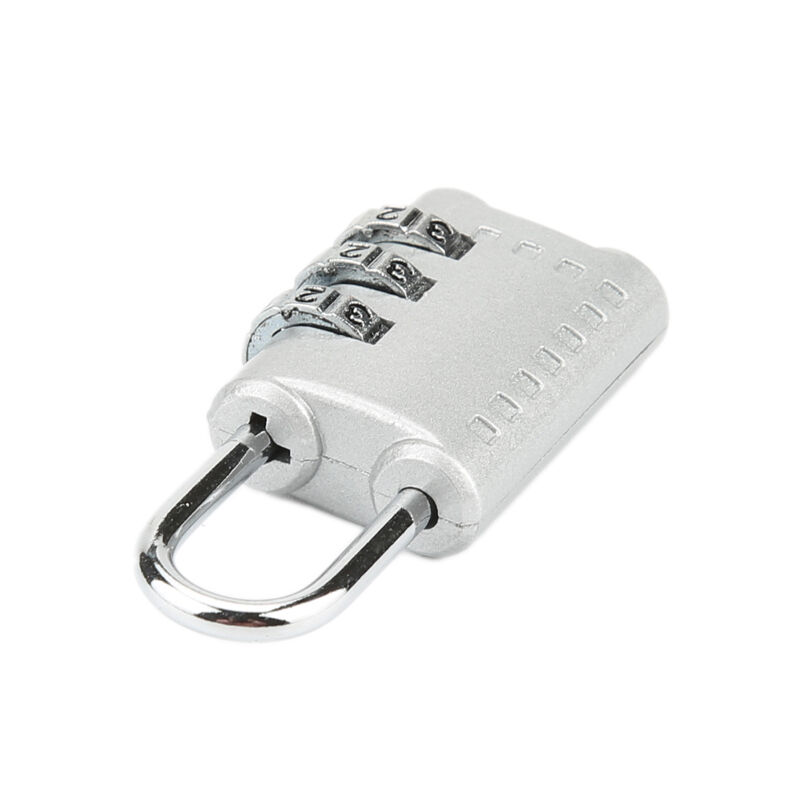
Lockout/Tagout (LOTO) procedures stand as the last line of defense against hazardous energy release in industrial environments, protecting maintenance, repair, and service personnel from fatal injuries caused by unexpected equipment startup. At the heart of effective LOTO programs lies the safety padlock—a seemingly simple device that bears critical regulatory responsibilities. For safety managers, selecting padlocks that meet the rigorous requirements of standards such as OSHA 29 CFR 1910.147 (U.S.) and EN ISO 14118 (EU, CE marking) is non-negotiable, as non-compliant padlocks not only expose workers to risks but also subject organizations to severe penalties. This guide deciphers key regulatory demands for LOTO padlocks, outlines essential product characteristics, and presents a compliant padlock matrix to empower safety managers in building robust energy isolation systems.
Regulatory Foundations: OSHA and CE Requirements for LOTO Padlocks
Global industrial safety regulations converge on core principles for LOTO padlocks, emphasizing uniqueness, durability, and accountability to prevent accidental energy release. Understanding these mandatory requirements is the first step toward compliance.
OSHA 29 CFR 1910.147: U.S. Mandatory Standards
OSHA’s Control of Hazardous Energy (LOTO) standard defines explicit criteria for padlocks used in energy isolation, framing them as critical hardware for worker protection. Key requirements include :
-
Uniqueness and Exclusive Control: Each padlock must have a unique key or combination, with access restricted solely to the employee who applies the lock. OSHA prohibits shared padlocks or master key systems that could enable unauthorized unlocking, ensuring only the lock’s owner can remove it—a cornerstone of individual accountability.
-
Durability and Substantiality: Padlocks must withstand the industrial environment (chemicals, moisture, vibration, extreme temperatures) for the maximum exposure duration. They must be robust enough to resist removal without excessive force or specialized tools (e.g., bolt cutters), preventing tampering or accidental dislodgment.
-
Standardization and Identification: Padlocks must be standardized by color, shape, or size within a facility for easy recognition as LOTO devices. Additionally, each padlock must be identifiable to its user, typically via engraved names, employee IDs, or department labels, linking the lock to a specific individual.
-
Dedicated Use: Padlocks shall be used exclusively for LOTO purposes, prohibiting their use for securing tools, storage, or non-energy isolation applications to avoid confusion and misuse.
CE Marking and EN ISO 14118: EU Compliance
For equipment sold or used in the European Union, LOTO padlocks must comply with EN ISO 14118, the mechanical safety standard for preventing unexpected startup, and bear the CE marking . This standard aligns with OSHA’s core principles while adding region-specific requirements:
-
Corrosion Resistance: Explicitly mandates resistance to industrial chemicals and environmental factors, critical for sectors like manufacturing, petrochemicals, and food processing.
-
Group LOTO Compatibility: Padlocks must integrate with multi-lock assemblies (group lock boxes) for team operations, ensuring all individual padlocks are in place before work begins and removed only when all workers are clear of the hazard zone.
-
Integration with Machinery Design: EN ISO 14118 requires padlocks to fit standardized lock points on equipment, ensuring seamless integration with existing energy isolation devices (valves, circuit breakers) .
-
Documentation and Traceability: Manufacturers must provide technical files demonstrating compliance, including material test reports and durability certifications, which safety managers must retain for audits.
Essential Characteristics of Compliant LOTO Padlocks
Beyond regulatory checkboxes, high-performance LOTO padlocks combine mechanical robustness with practical features tailored to industrial environments. Safety managers should prioritize the following attributes when evaluating products:
1. Material Selection for Environment Adaptability
Padlock materials directly impact durability and compliance, with options optimized for specific industrial conditions :
-
Hardened Steel: Ideal for high-security applications (heavy manufacturing, construction). Chrome or zinc plating enhances corrosion resistance, while hardened shackles resist cutting and prying. Suitable for dry, low-chemical environments.
-
Stainless Steel (Grade 316): Marine-grade stainless steel offers superior corrosion resistance, making it perfect for outdoor use, chemical plants, and food processing facilities where moisture or caustic substances are present.
-
Nylon: Non-conductive, non-sparking, and lightweight. Essential for electrical panels and high-voltage applications, as it prevents electrocution and arc flashing. Fully insulated nylon bodies and shackles meet OSHA’s electrical safety requirements.
-
Aluminum: Non-magnetic and non-sparking, with excellent chemical resistance. Suitable for light-security, corrosive environments (e.g., pharmaceutical labs) and applications requiring portability.
-
Brass: Completely spark-resistant, making it critical for explosive or flammable environments (petrochemical refineries, gas storage facilities). Brass padlocks are corrosion-resistant and cost-effective for hazardous locations.
2. Key and Combination Systems
To meet OSHA’s uniqueness requirement, padlocks offer two primary access systems:
-
Keyed Padlocks: Each lock has a unique key set, with no cross-key compatibility. Keys should be non-replicable without official authorization, and employees must keep keys on their person or in secure, personal storage. Keyed systems are preferred for high-security environments where combination forgetfulness is a risk.
-
Combination Padlocks: Resettable combinations eliminate key management hassles while maintaining exclusivity—each employee sets their unique code. Ideal for facilities with high staff turnover, but must feature anti-tampering mechanisms to prevent unauthorized code changes.
3. Design for Accountability and Usability
Compliant padlocks integrate design features that reinforce LOTO protocols:
-
Engravable Bodies: Allow for permanent marking with employee names, IDs, or department codes, fulfilling OSHA’s identification requirement.
-
Color Coding: Standardized colors (red for electrical, blue for hydraulic, green for mechanical) simplify energy source identification and align with facility-wide LOTO procedures.
-
Shackle Design: Closed-shackle models reduce leverage points for prying, while long-shackle options accommodate multiple lockout points or group lock boxes. Shackles must be self-locking to prevent accidental opening.
-
Sealed Mechanisms: Dust, dirt, and oil-resistant seals protect internal components, ensuring reliable operation in harsh industrial environments and extending service life.
Compliant LOTO Padlock Matrix for Safety Managers
The following matrix maps padlock types to industrial applications, regulatory compliance, and key use cases, helping safety managers select the right solution for each scenario:
|
Padlock Material
|
Compliance (OSHA/CE)
|
Key/Combination Type
|
Ideal Applications
|
Core Advantages
|
|---|---|---|---|---|
|
Hardened Steel (Plated)
|
OSHA Compliant; CE (EN ISO 14118) Compliant
|
Keyed (Unique)
|
Heavy manufacturing, construction, dry facilities
|
High strength, cut resistance, cost-effective
|
|
Stainless Steel (Grade 316)
|
OSHA Compliant; CE (EN ISO 14118) Compliant
|
Keyed/Combination
|
Chemical plants, food processing, outdoor use
|
Superior corrosion resistance, durability
|
|
Nylon (Insulated)
|
OSHA Compliant; CE (EN ISO 14118) Compliant
|
Keyed/Combination
|
Electrical panels, high-voltage equipment
|
Non-conductive, arc flash protection
|
|
Aluminum
|
OSHA Compliant; CE (EN ISO 14118) Compliant
|
Combination
|
Pharmaceutical labs, light industrial
|
Non-magnetic, chemical resistant, lightweight
|
|
Brass
|
OSHA Compliant; CE (EN ISO 14118) Compliant
|
Keyed
|
Petrochemicals, gas storage, explosive environments
|
Spark-resistant, corrosion-resistant
|
Implementation Best Practices for LOTO Padlock Programs
Selecting compliant padlocks is only one component of a robust LOTO program. Safety managers must also ensure proper implementation, training, and maintenance to uphold compliance:
1. Integrate with LOTO Procedures
Padlocks should be part of a documented LOTO process that includes energy source identification, isolation point mapping, and verification steps . For group operations, use lock boxes to consolidate individual padlocks, ensuring all workers unlock their pads before equipment is re-energized.
2. Training and Accountability
OSHA and EN ISO 14118 require regular training for all employees using LOTO padlocks . Training should cover padlock selection, proper application, verification of isolation (testing equipment to confirm de-energization), and emergency procedures for lost keys or malfunctioning locks. Maintain training records for at least three years for audit purposes.
3. Maintenance and Inspection
Conduct routine inspections of padlocks to ensure mechanical integrity—replace corroded, damaged, or worn locks immediately. Establish a replacement schedule based on environmental exposure, and store spare padlocks in a secure location with controlled access.
4. Audit and Continuous Improvement
Regularly audit LOTO padlock usage to verify compliance with OSHA/CE standards. Review incident reports, update procedures based on new regulations or equipment, and solicit feedback from workers to identify pain points in padlock usability.
Conclusion
LOTO-compliant padlocks are more than just security devices—they are legal obligations and lifesavers in industrial environments. By adhering to OSHA 1910.147 and EN ISO 14118 standards, safety managers can select padlocks that balance durability, accountability, and environmental adaptability, forming the core of a effective LOTO program. The right padlock, paired with comprehensive training and strict procedure enforcement, not only ensures regulatory compliance but also fosters a safety culture where workers feel protected and empowered.
As industrial safety regulations evolve, staying informed about updates to LOTO standards and padlock technology is critical. By using this guide to build a compliant padlock strategy, safety managers can mitigate risks, avoid penalties, and uphold their most important responsibility: protecting human life.