
 EN
EN
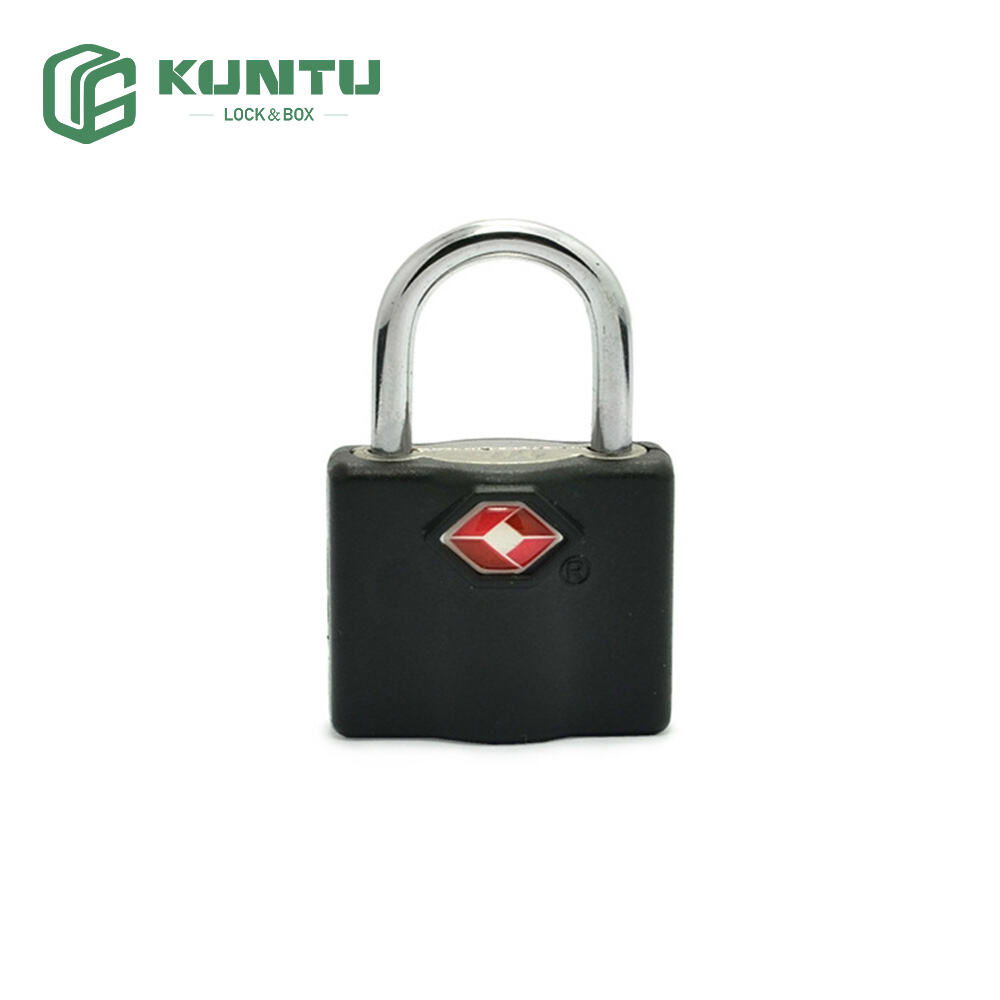
Public utilities—encompassing power grids, water and gas pipelines, and other critical infrastructure—are the lifeblood of modern societies. The reliable operation of these assets depends heavily on efficient on-site inspection and maintenance (I&M) workflows, where traditional physical padlocks have long been a bottleneck. Limited access control, cumbersome key management, and disjointed work order tracking often lead to inefficiencies, security vulnerabilities, and compliance gaps. Today, the shift from mechanical padlocks to Bluetooth-enabled smart padlocks is reshaping how utility companies manage field operations, enabling seamless digital integration of access control, work order closure, and asset audit trails. This article explores how Bluetooth padlocks are revolutionizing on-site I&M and work order management for public utilities.
The Limitations of Traditional Padlocks in Utility Operations
Traditional mechanical padlocks have been a staple in utility asset security for decades, but their inherent flaws are increasingly incompatible with the demands of modern utility management. For starters, key distribution and tracking are logistically challenging. Utility companies often manage hundreds or thousands of assets across vast geographic areas, requiring inspectors to carry a bulky set of keys or coordinate key handoffs— a process that wastes valuable time and increases the risk of lost, stolen, or duplicated keys. Moreover, physical keys provide no visibility into who accessed an asset, when, or for what purpose. This lack of transparency creates blind spots in asset management, making it difficult to validate work completion, investigate security breaches, or comply with regulatory audit requirements.
Additionally, traditional padlocks disconnect access control from work order management. Inspectors may arrive at a site only to find they lack the correct key, delaying maintenance tasks and disrupting workflows. Once work is completed, there is no automated way to link access activity to the corresponding work order, forcing teams to rely on manual documentation— a practice prone to errors, omissions, and delays in closing work orders. These inefficiencies not only drive up operational costs but also compromise the reliability and security of critical utility infrastructure.
Bluetooth Padlocks: Bridging Physics and Digital Workflows
Bluetooth padlocks eliminate the limitations of mechanical models by integrating physical access control with digital systems, creating a seamless link between on-site actions and back-office management. At the core of this innovation is the ability to issue temporary digital keys to inspectors via a mobile app, replacing physical keys with secure, time-bound, and asset-specific access credentials.
When a work order is assigned, the back-office system automatically generates a digital key for the specific Bluetooth padlock associated with the target asset. This key is sent directly to the inspector’s mobile device, with predefined permissions— such as access duration or a single-use limit— tailored to the task at hand. Upon arriving at the site, the inspector uses the mobile app to unlock the Bluetooth padlock via a secure Bluetooth connection, no physical keys required. This eliminates key-related delays and ensures that inspectors only have access to the assets necessary for their assigned work, reducing the risk of unauthorized access.
Enabling Closed-Loop Work Order Management and Precision Auditing
The true transformative power of Bluetooth padlocks lies in their ability to automate data capture and integrate with work order management systems, enabling closed-loop workflow and precision asset access auditing— two critical capabilities for utility companies.
Once the inspector completes the I&M task and secures the Bluetooth padlock, the device automatically transmits data to the mobile app and back-office platform. This data includes timestamps of lock/unlock events, the inspector’s identity, and confirmation of asset access. This information is instantly linked to the corresponding work order, triggering automatic updates to its status— from “in progress” to “completed” —without manual input. This closes the loop on work order management, ensuring that back-office teams have real-time visibility into task completion, reducing administrative overhead, and accelerating decision-making for follow-up actions (e.g., re-inspection, repairs).
For asset access auditing, Bluetooth padlocks generate immutable digital trails of every access event. Unlike manual logs, which are easily altered or lost, these digital records provide a precise, tamper-proof history of who accessed each asset, when, and in conjunction with which work order. This level of transparency is invaluable for regulatory compliance, as utility companies can quickly produce audit reports to demonstrate adherence to safety and security standards. It also simplifies incident investigation: in the event of asset damage or a security breach, teams can trace access activity to identify potential causes or responsible parties.
Real-World Impact on Utilities: Power Grids and Pipelines
The benefits of Bluetooth padlocks are particularly pronounced in high-stakes utility sectors such as power grids and pipelines, where asset security, operational efficiency, and compliance are paramount.
In power grid operations, Bluetooth padlocks secure critical assets such as transformers, switchgear, and distribution boxes. Inspectors responding to outages or scheduled maintenance receive digital keys for only the relevant assets, ensuring they can quickly access and resolve issues without delays from misplaced keys. The automated link between access events and work orders enables grid operators to track maintenance activities in real time, ensuring that every asset is inspected or repaired according to schedule. For auditing, the digital trail confirms that only authorized personnel accessed high-voltage equipment, supporting compliance with safety regulations such as those set by the International Electrotechnical Commission (IEC) or local energy authorities.
For water and gas pipelines, Bluetooth padlocks secure valve boxes, meter stations, and storage facilities. These assets are often spread across remote or urban areas, making traditional key management logistically challenging. Bluetooth padlocks allow inspectors to access these sites with digital keys delivered to their mobile devices, reducing travel time and improving response rates for leaks or equipment failures. The digital audit trail also helps pipeline operators comply with strict regulatory requirements— such as the U.S. Pipeline and Hazardous Materials Safety Administration (PHMSA) standards— by providing verifiable proof of asset inspections and maintenance.
Future Trends: Integration with IoT and Predictive Maintenance
As utility companies embrace the Internet of Things (IoT) and predictive maintenance, Bluetooth padlocks are evolving to become part of a broader connected asset ecosystem. Advanced Bluetooth padlocks now integrate with IoT sensors to capture additional data, such as environmental conditions (temperature, humidity) or asset vibration, alongside access events. This combined data provides deeper insights into asset health, enabling predictive maintenance— for example, identifying a valve that requires repair based on abnormal vibration patterns detected during an inspection.
Furthermore, integration with cloud-based asset management platforms allows utility companies to centralize access control, work order management, and asset data in a single dashboard. This holistic view enables cross-functional teams— from field operations to compliance— to collaborate more effectively, optimizing resource allocation and reducing operational costs.
Conclusion
The transition from mechanical padlocks to Bluetooth-enabled smart padlocks marks a pivotal shift in how public utility companies manage on-site inspection, maintenance, and asset security. By replacing physical keys with temporary digital credentials, Bluetooth padlocks eliminate inefficiencies in key management, automate work order closure, and generate precise digital audit trails. For critical infrastructure such as power grids and pipelines, this technology enhances operational efficiency, strengthens security, and ensures regulatory compliance— ultimately supporting the reliable delivery of essential services to communities.
As utilities continue to digitize their operations, Bluetooth padlocks will remain a cornerstone of smart asset management, evolving to integrate with IoT and predictive maintenance tools. For utility companies looking to modernize their field workflows and gain greater control over their assets, adopting Bluetooth padlocks is not just a technological upgrade— it is a strategic investment in the resilience and efficiency of their critical infrastructure.
Table of Contents
- The Limitations of Traditional Padlocks in Utility Operations
- Bluetooth Padlocks: Bridging Physics and Digital Workflows
- Enabling Closed-Loop Work Order Management and Precision Auditing
- Real-World Impact on Utilities: Power Grids and Pipelines
- Future Trends: Integration with IoT and Predictive Maintenance
- Conclusion