
 EN
EN
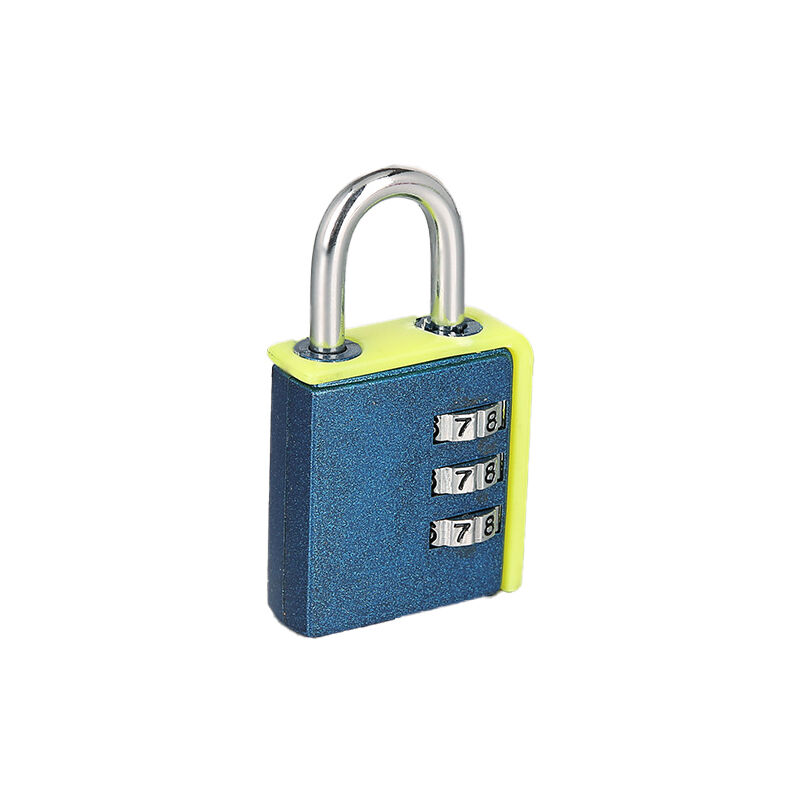
Law enforcement, fire departments, and public safety agencies face high-stakes challenges when accessing secured public area enclosures—such as utility cabinets, emergency equipment boxes, and infrastructure enclosures—in critical situations. Traditional padlocks often force a trade-off: either delay response times by searching for keys or destroy the lock to gain entry, leading to costly replacements, operational disruptions, and potential damage to surrounding assets. To address this dilemma, specialized padlocks designed for government and public safety procurement have emerged, enabling rapid, non-destructive forced entry with dedicated tools while preserving lock functionality for post-emergency reuse. This article explores how these innovative padlocks redefine rapid access in law enforcement and emergency scenarios by striking a critical balance between forced entry and asset preservation.
The Critical Dilemma of Rapid Access in Emergency and Law Enforcement Operations
Public safety missions—whether fire rescue, criminal investigations, or disaster response—demand split-second decisions and unimpeded access to secured areas. Traditional mechanical padlocks, while reliable for routine security, become a liability in emergency contexts. For fire departments responding to a electrical fire near a utility cabinet, waiting for a keyholder or coordinating access can prolong response times and escalate risks to life and property. Conversely, using brute-force methods (such as bolt cutters or crowbars) to break standard padlocks ensures rapid entry but renders the lock inoperable, requiring immediate replacement. This not only incurs unnecessary costs for public agencies with tight budgets but also leaves the enclosure temporarily unsecured until a new padlock is installed, creating vulnerabilities for critical infrastructure.
Law enforcement operations face similar challenges. During criminal investigations or evidence seizures, agents may need urgent access to secured public storage boxes or utility enclosures. Destroying the padlock not only adds to procurement costs but also complicates chain-of-custody documentation, as damaged locks and enclosures could raise questions about evidence integrity. For public safety agencies, the ideal padlock must eliminate this trade-off: enabling fast, controlled access when lives or assets are at risk, while preserving the lock’s structural integrity for ongoing use.
Specialized Padlocks: Non-Destructive Forced Entry for Emergency Scenarios
Engineered specifically for fire, police, and emergency services, specialized padlocks reimagine access control by integrating dedicated forced-entry mechanisms that bypass standard locking systems without damaging the lock body. Unlike conventional padlocks, these devices are designed to be opened quickly with proprietary tools issued exclusively to authorized public safety personnel, while remaining resistant to unauthorized tampering or forced entry by non-authorized individuals.
The core innovation lies in the padlock’s dual-function design. Under normal circumstances, it operates as a standard high-security padlock, securing public area enclosures with robust locking mechanisms to prevent theft, vandalism, or unauthorized access. In emergency situations, however, first responders use a compact, easy-to-deploy dedicated tool to engage the padlock’s forced-entry feature—typically a hidden access point or specialized mechanism that disengages the lock without cutting, bending, or damaging the body, shackle, or internal components. Within seconds, the padlock is opened, granting immediate access to the enclosure’s contents, and can be re-locked and reused post-incident with no repairs or replacements needed.
These specialized padlocks are constructed with durable materials—such as hardened steel or corrosion-resistant alloys—to withstand harsh outdoor environments, ensuring reliability in extreme weather conditions or high-impact scenarios. They also comply with strict public safety standards, including fire resistance and anti-tampering requirements, making them suitable for deployment in critical infrastructure zones, public buildings, and emergency response hubs.
Value Proposition for Government and Public Safety Procurement
For government procurement teams and public safety agencies, the benefits of adopting non-destructive forced-entry padlocks extend beyond operational efficiency to cost savings, compliance, and long-term asset management.
Cost reduction is a primary advantage. By eliminating the need to replace padlocks after emergency entry, agencies significantly cut down on recurring procurement costs. For large-scale deployments across cities or regions—securing hundreds of utility cabinets, fire hydrant enclosures, or emergency equipment boxes—the cumulative savings from avoiding lock replacements and maintenance can be substantial. Additionally, the rapid access enabled by these padlocks reduces response times, minimizing potential property damage, liability risks, and operational downtime associated with delayed emergency interventions.
Compliance and accountability are further strengthened. These padlocks are designed to integrate with public safety protocols, as the dedicated forced-entry tools are strictly controlled and issued only to authorized personnel. This creates a clear audit trail of who accessed the padlock and when, supporting regulatory compliance and internal accountability measures. Unlike destroyed padlocks, which leave no record of entry method, non-destructive padlocks allow agencies to document access events accurately, whether for emergency response reports or investigative purposes.
Versatility across use cases is another key benefit. These padlocks are ideal for securing a wide range of public area enclosures, including electrical cabinets, water meter boxes, emergency first-aid stations, fire equipment storage, and traffic signal control enclosures. Their ability to withstand repeated non-destructive entry and reuse makes them a flexible solution for diverse law enforcement and emergency scenarios, from routine patrols to large-scale disaster responses.
Real-World Applications in Fire and Law Enforcement
The practical impact of specialized padlocks is evident in fire rescue and law enforcement operations, where every second and asset matters.
For fire departments, these padlocks are a game-changer in responding to electrical fires, gas leaks, or building emergencies. When accessing utility cabinets to shut off power or gas supplies, firefighters can use the dedicated tool to open the padlock in seconds, without wasting time on key searches or damaging the enclosure. Post-incident, the padlock is re-secured, ensuring the utility cabinet remains protected until regular operations resume. This not only accelerates emergency response but also avoids costly repairs to utility infrastructure that could result from brute-force entry.
In law enforcement, specialized padlocks support investigations and emergency interventions while preserving evidence integrity. For example, during a missing person search, officers may need urgent access to public storage enclosures or utility boxes. Using the dedicated tool to open the padlock non-destructively ensures the enclosure and its contents remain undisturbed, protecting potential evidence and simplifying chain-of-custody documentation. Similarly, in riot control or public safety incidents, officers can quickly access emergency equipment stored in secured boxes without rendering the padlocks inoperable, ensuring ongoing security for critical assets.
Key Considerations for Procurement: Security, Durability, and Compatibility
When procuring specialized padlocks for law enforcement and emergency scenarios, government agencies should prioritize three core criteria: security, durability, and compatibility.
Security features must include resistance to unauthorized forced entry—such as pick-proof locking mechanisms, anti-shim technology, and hardened shackles—to prevent tampering by non-authorized individuals. The dedicated forced-entry tool should be unique to the agency, with restricted distribution to ensure only trained personnel can use it. Durability is critical for outdoor and high-stress environments, requiring padlocks that resist corrosion, extreme temperatures, and physical impact. Compatibility with existing enclosures and access systems is also essential, as agencies may need to retrofit the padlocks to existing infrastructure without modifications.
Conclusion
Specialized padlocks designed for non-destructive forced entry represent a pivotal advancement in public safety access solutions, resolving the longstanding trade-off between rapid entry and asset preservation. For government and public safety procurement teams, these padlocks offer a cost-effective, compliant, and versatile alternative to traditional padlocks, supporting efficient emergency response and law enforcement operations while protecting critical infrastructure.
By enabling first responders to access secured enclosures quickly without damaging the lock, these devices enhance operational agility, reduce costs, and strengthen accountability—all critical priorities for public safety agencies. As emergency response and law enforcement needs evolve, specialized padlocks will remain an essential tool in ensuring rapid, controlled access while preserving the integrity of public assets, ultimately contributing to safer communities and more effective public safety operations.
Table of Contents
- The Critical Dilemma of Rapid Access in Emergency and Law Enforcement Operations
- Specialized Padlocks: Non-Destructive Forced Entry for Emergency Scenarios
- Value Proposition for Government and Public Safety Procurement
- Real-World Applications in Fire and Law Enforcement
- Key Considerations for Procurement: Security, Durability, and Compatibility
- Conclusion