
 EN
EN
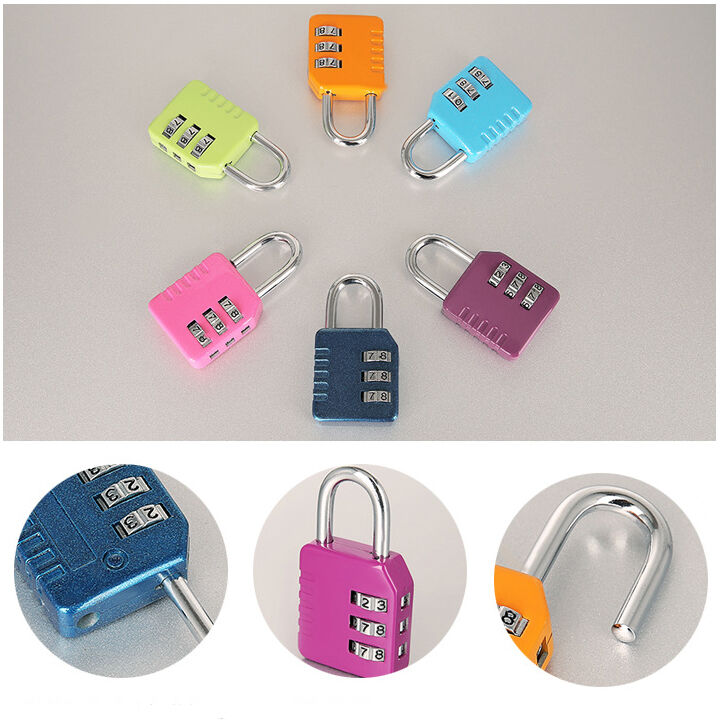
Shared workspaces, tool rental services, and locker companies thrive on one core principle: trust. Customers entrust their valuables, work tools, and productivity to these providers, while businesses rely on efficient access management to protect assets, streamline operations, and reduce overhead. Traditional physical key systems, however, create persistent pain points in these high-turnover environments—lost keys, costly rekeying, cumbersome key handoffs, and security gaps when keys fall into unauthorized hands. Resettable combination padlocks have emerged as a transformative solution, eliminating the need for physical key turnover by allowing users to reset passwords between each use. This article explores how these versatile padlocks strengthen trust, optimize access control, and cut operational costs for shared workspace and equipment rental businesses.
The Limitations of Traditional Key Systems in High-Turnover Environments
Shared workspaces, tool rental firms, and locker services operate in dynamic ecosystems where user access changes frequently—sometimes multiple times per day. Traditional key-based padlocks and access systems struggle to keep pace with this turnover, creating inefficiencies and risks at every step. For shared workspaces, providing physical keys to members for private lockers or meeting rooms requires meticulous tracking; a single lost key can lead to expensive lock replacements, disrupted access for other users, and potential security breaches if the key is misused. Tool rental companies face similar challenges: coordinating key handoffs between customers, replacing lost keys for rented equipment, and rekeying locks after each rental to prevent unauthorized access—all of which add time and cost to daily operations.
Beyond logistics, physical keys undermine flexibility. For example, a co-working space hosting a one-day event cannot quickly grant temporary access to attendees without distributing and collecting keys. Tool rental businesses offering short-term rentals (e.g., hourly or daily) waste valuable staff time managing key check-ins and check-outs. Additionally, rekeying locks or replacing lost keys eats into profit margins—costs that often get passed to customers, eroding competitiveness. These pain points highlight the need for a padlock solution that decouples access control from physical keys, adapting to the fast-paced, high-turnover demands of shared and rental services.
Resettable Combination Padlocks: The Flexible Access Control Game-Changer
Resettable combination padlocks redefine access management for shared and rental businesses by putting control directly in the hands of users and staff, without the reliance on physical keys. At their core, these padlocks allow for on-demand password resets—after each user completes their rental period or workspace usage, the combination can be changed in seconds, either by staff or the user themselves, ensuring the next user receives a unique, secure access code.
The flexibility of these padlocks aligns perfectly with the needs of shared workspaces and equipment rental services. For co-working lockers, members can reset the combination padlock to a code of their choice upon check-in, then reset it again before checkout—eliminating the need for staff to manage keys or rekey locks. Tool rental companies can instruct customers to reset the padlock combination before returning equipment, ensuring the next renter gets a fresh code and preventing cross-user access. For temporary access scenarios—such as a shared meeting room or a short-term tool rental—staff can set a one-time combination, then reset it immediately after use, maintaining security without logistical hassle.
Unlike fixed-combination padlocks, resettable models offer customizable security levels. Businesses can choose padlocks with 3-digit, 4-digit, or even higher-digit combinations, balancing ease of use for customers with robust theft deterrence. Many models also feature anti-shim technology and hardened steel shackles, ensuring the padlock itself is resistant to forced entry, complementing the security of the resettable combination system.
Cost Savings and Operational Efficiency for Businesses
For shared workspace and equipment rental businesses, resettable combination padlocks deliver tangible cost savings and operational efficiencies that directly impact the bottom line. The most significant cost reduction comes from eliminating expenses associated with physical keys: key replacement, lock rekeying, and staff time spent managing key inventory, check-ins, and check-outs.
Consider a tool rental company with 50 pieces of equipment, each rented an average of 10 times per month. With traditional keyed padlocks, the company might spend hours weekly coordinating keys and incur monthly costs for lost keys and rekeying. By switching to resettable combination padlocks, staff no longer need to track keys—customers simply reset the combination before returning equipment, and staff can focus on core tasks like equipment maintenance and customer service. Over time, these labor savings and reduced replacement costs add up to substantial operational savings.
Operational flexibility further enhances efficiency. Shared workspaces can quickly onboard new members by assigning them a locker with a resettable padlock, allowing members to set their own codes without staff intervention. Locker companies can offer 24/7 self-service access, as customers don’t need to interact with staff to get or return keys—they simply reset the padlock combination upon use. This self-service model not only improves customer experience but also reduces staffing requirements, particularly during off-peak hours.
Real-World Applications Across Shared and Rental Sectors
Resettable combination padlocks adapt seamlessly to a range of shared and rental use cases, delivering value across industries:
1. Shared Workspaces and Co-Working Spaces
In co-working environments, resettable combination padlocks secure private lockers, storage cabinets, and meeting rooms. Members can personalize their locker codes, enhancing privacy and peace of mind, while staff can easily reset codes for new members or after a member’s contract ends. For meeting rooms, temporary combinations can be shared with attendees, then reset to prevent unauthorized access post-event—all without the need for key distribution.
2. Tool and Equipment Rental
Tool rental businesses use these padlocks to secure everything from power tools to construction equipment. Customers reset the combination when picking up the tool, ensuring exclusive access during their rental period, and reset it again before returning—eliminating the risk of a previous renter retaining access. This also reduces the need for staff to inspect locks for tampering, as the combination reset confirms a clean handoff.
3. Public and Private Lockers
Locker companies in gyms, malls, and transit hubs benefit from resettable combination padlocks’ self-service capabilities. Customers can rent a locker for a few hours or a full day, set their own combination, and reset it before leaving—no staff assistance required. This reduces lines at service desks and allows lockers to be reused quickly, maximizing revenue potential.
Key Considerations When Selecting Resettable Combination Padlocks
To maximize value, businesses should prioritize the following features when choosing resettable combination padlocks for shared or rental use:
-
Ease of Reset: Opt for padlocks with simple, intuitive reset mechanisms—complex processes will frustrate customers and staff. Look for models that allow one-touch resets without additional tools.
-
Durability: Select padlocks with hardened steel shackles and weather-resistant materials (e.g., stainless steel or plastic coatings) to withstand frequent use and outdoor exposure (for equipment rental).
-
Security Features: Choose padlocks with anti-pick, anti-shim, and anti-cut designs to deter theft. Higher-digit combinations (4+ digits) offer enhanced security without sacrificing usability.
-
User-Friendliness: Ensure the padlock’s combination dial is easy to read and operate, even for customers with limited dexterity. Brightly colored dials or large numbers can improve usability.
Conclusion
Resettable combination padlocks have become the cornerstone of trust and efficiency in shared workspaces and equipment rental businesses, solving the longstanding challenges of physical key management in high-turnover environments. By enabling flexible, on-demand combination resets, these padlocks eliminate key-related costs, streamline operations, and enhance security—all while improving the customer experience.
For businesses looking to scale their shared or rental services, investing in high-quality resettable combination padlocks is a strategic decision. These padlocks not only reduce operational overhead but also build customer trust by ensuring secure, personalized access to assets. As the shared economy continues to grow, resettable combination padlocks will remain an essential tool for businesses seeking to balance flexibility, security, and cost-effectiveness in their access control systems.
Table of Contents
- The Limitations of Traditional Key Systems in High-Turnover Environments
- Resettable Combination Padlocks: The Flexible Access Control Game-Changer
- Cost Savings and Operational Efficiency for Businesses
- Real-World Applications Across Shared and Rental Sectors
- Key Considerations When Selecting Resettable Combination Padlocks
- Conclusion