
 EN
EN
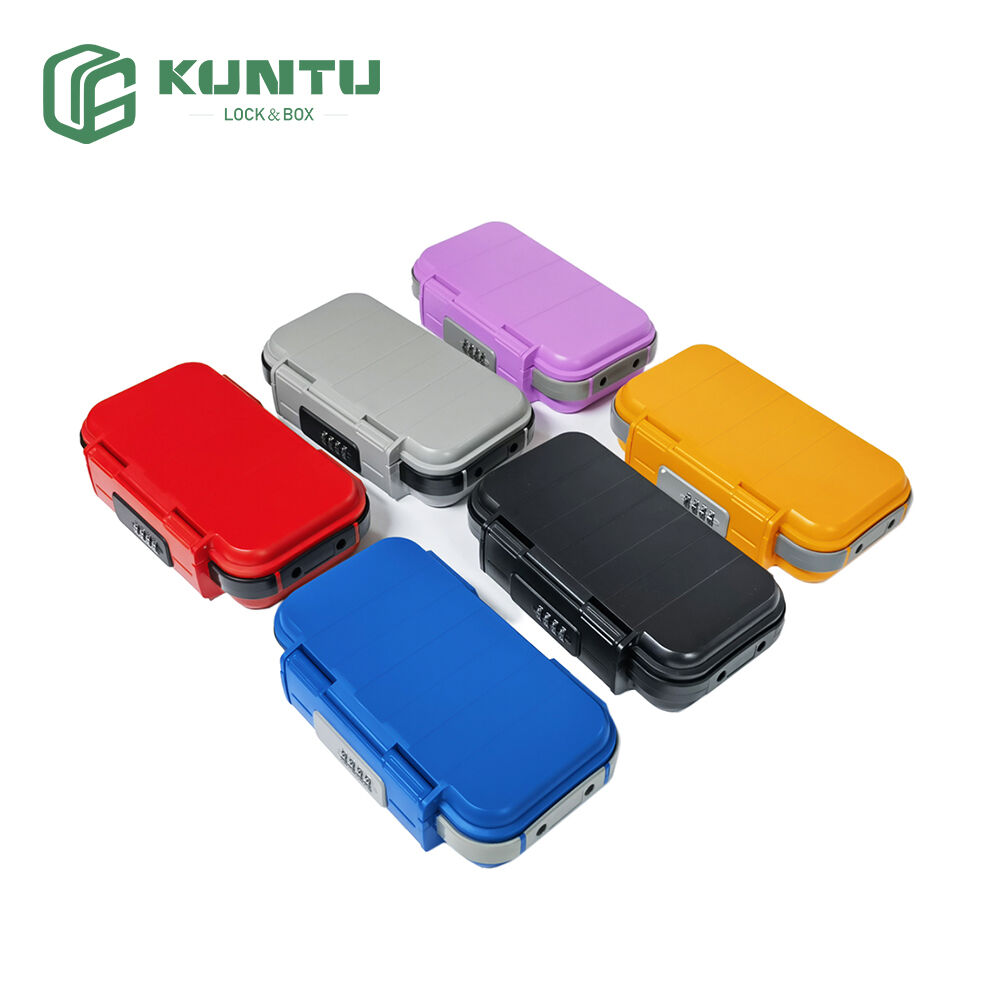
What Is a Portable Safe Box? Core Definition and Key Use Cases
Portable safe boxes are basically small lockable containers designed to keep valuable stuff safe when moving around or needing temporary storage. They're different from regular fixed safes because they focus on being easy to move around while still offering good security features like tough materials and solid locks that work well. People often use them to protect money at events, keep important papers and jewelry safe while on vacation, and guard confidential documents in places where they can't install permanent storage solutions such as hotels or cars. A lot of event organizers, remote workers who travel frequently, and property salespeople have started carrying these around to reduce the chance of losing things when working away from home bases. The numbers back this up too – according to research from Ponemon Institute in 2023, random theft actually costs companies about $740k every year. So having one of these handy little boxes makes sense for anyone whose job involves constantly moving between locations with valuable items.
Security Features That Define a Reliable Portable Safe Box
Hardened steel construction and anti-pry design
When it comes to portable safes, high grade hardened steel remains the best choice for security. It stands up much better against cutting tools and physical attacks than those cheaper aluminum or plastic options on the market. The anti pry features really matter too. We're talking about things like reinforced door seams, hidden hinges that aren't visible from outside, plus multiple internal locking bolts throughout the unit. All these parts work together to stop someone from getting a crowbar in there or breaking in forcefully. Security tests have actually shown that safes built this way can hold out against intruders for about three times longer than regular models without all these extra protections.
Electronic vs. mechanical locks: tamper resistance and response reliability
Portable safes today come with either electronic or mechanical locking systems, each designed for specific situations. The electronic ones let users punch in codes quickly and track who accessed them when, though they need batteries to work properly. Mechanical locks are totally different story though. They just keep working no matter what since there's nothing electronic involved at all. Great choice if someone plans to store stuff somewhere really hot or cold for extended periods. What both types have in common is those anti tamper features that kick in whenever someone tries to force open the safe, basically locking everything down tight. Most certified electronic models will last around ten years give or take with regular check ups, whereas top quality mechanical versions can handle pretty serious impacts without breaking down even under 30G forces.
Certified protection: UL 1037 and ASTM F2877 testing benchmarks
When it comes to security testing, third party certifications still stand out as probably the best way to gauge how well something actually works in the real world. Take UL 1037 for instance. This standard tests how resistant products are to theft by simulating various attacks like prying, dropping, and impacts. The requirement? They need to hold up against 15 straight minutes of attack attempts using everyday tools that someone might grab off the shelf. Then there's ASTM F2877 which focuses specifically on pry attacks and methods involving leverage. Products that pass both these tests typically show around 95% success rate in stopping forced entry during lab tests. What makes these certifications valuable is that they offer concrete proof that a portable safe will really protect valuables when being transported or used temporarily somewhere else, rather than just giving people the feeling of security.
Portability Optimized: Weight, Ergonomics, and Transport Compliance
Material trade-offs: aluminum, steel, and reinforced composites
What materials we choose really affects how portable something is versus how well it protects against damage. Take aluminum for instance it's super light but doesn't hold up so great when things get bumped around. Hardened steel on the other hand can take a real beating but comes with the downside of being pretty heavy to carry around. Carbon fiber stuff is becoming popular these days because tests show it weighs about 30% less than regular metal alloys while still holding together under stress. There are also these reinforced plastic mixes that work as sort of a happy medium they resist crushing forces and bend a bit without feeling too cumbersome. Travelers who move from place to place all the time tend to prefer those super lightweight composite materials since they make packing easier. But anyone working in dangerous conditions where equipment might face serious impacts still relies on good old steel for its unbeatable toughness.
Carry-ready features: handles, straps, and airline-friendly dimensions
Good ergonomics means bags stay portable without losing their usefulness. The handles are shaped just right with those non-slip surfaces, plus there are padded straps that spread out the weight so people don't get tired carrying them around all day long. Size matters too when traveling. Best selling models actually meet those FAA requirements for carry-ons (no bigger than 22 by 14 by 9 inches) and they'll fit nicely underneath most airplane seats. There are other smart touches worth mentioning. Recessed grip areas stop things from falling out accidentally. Straps come off quickly which saves time going through airport security checks. And since they follow TSA standards, travelers won't have to wait at the gate while their bag gets checked separately.
Mounting and Deployment Flexibility for On-the-Go Professionals
Secure mounting options: under-desk, vehicle, and wall-integrated setups
The flexible anchoring system turns those portable safe boxes into something much more than just temporary storage solutions. When mounted under desks with those built in anti theft tethers, it keeps important stuff out of sight and secure in offices where multiple people come and go. Installing them in vehicles works great too, especially with those heavy duty steel cables that fit right into car seats, trunks, or even cargo anchor points so nothing gets shaken loose while driving around town. Some folks who need to stay put longer opt for wall integrated versions with really tough anchors that can stick around in hotels or rental apartments without looking out of place. And don't forget about those quick release mechanisms either they let users switch back and forth between being on the move and staying put wherever needed, all without losing that essential portability factor.
FAQ
What are the main benefits of a portable safe box?
A portable safe box offers security for valuables while being easy to transport. It allows users to protect items like cash, jewelry, and important documents during travel or temporary storage situations.
Are portable safe boxes really secure?
Yes, portable safe boxes are designed with hardened steel, anti-pry designs, and reliable locking systems to provide security against theft and damage.
What materials are commonly used in portable safe boxes?
Portable safe boxes are often made from hardened steel, aluminum, reinforced composites, and carbon fiber—all differing in weight and impact resistance.
Can portable safe boxes be used in vehicles?
Absolutely. Portable safes can be securely mounted in vehicles using built-in anti-theft tethers and heavy-duty steel cables to ensure items remain secure while traveling.