
 EN
EN
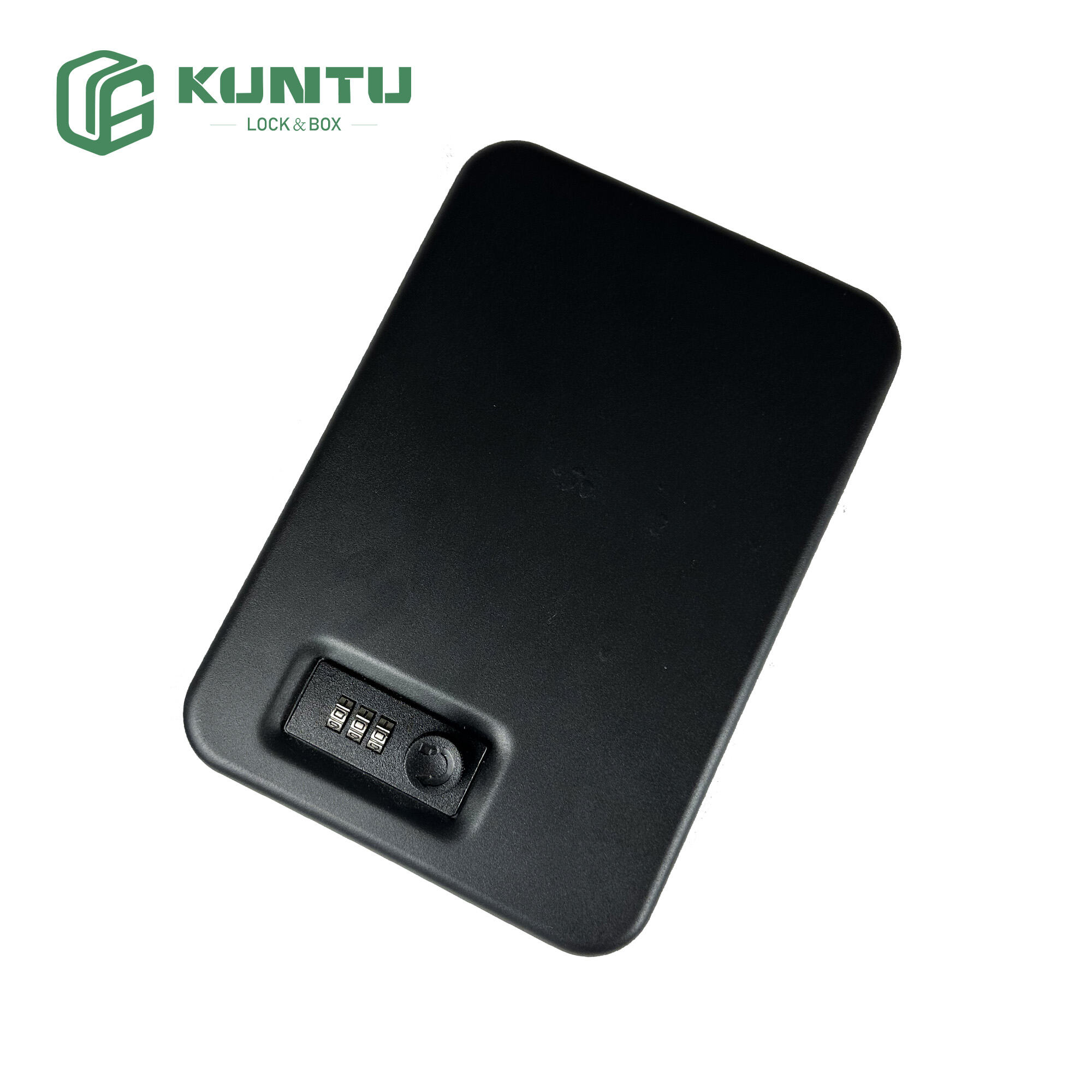
Whether you’re navigating airport security, camping in the wilderness, or commuting to work, protecting valuables like passports, cash, electronics, and jewelry requires a reliable portable personal safe. Not all personal safes are created equal—their performance varies drastically across different risk scenarios, from theft attempts in hotel rooms to environmental damage during outdoor adventures. To select the right personal safe for your needs, you must evaluate five core dimensions: securing methods, anti-destruction capability, concealability, environmental resistance, and convenience. This guide breaks down each dimension, tailoring recommendations to travel, outdoor, and commute scenarios, so you can make an informed decision that aligns with your specific risk profile.
Understanding Risk Scenarios: Why One Size Doesn’t Fit All
Each scenario presents unique threats that demand targeted features in a personal safe. Travelers face risks like hotel room theft, checked luggage damage, and compliance with airline regulations. Outdoor enthusiasts contend with environmental hazards (rain, dust, impacts) and opportunistic theft at campsites. Commuters need protection against bag snatching, break-ins in parked cars, and the need to carry the safe discreetly. A personal safe that excels for commuting—compact and easy to carry—may fail outdoors due to poor water resistance, while a heavy-duty outdoor safe could be impractical for air travel. By matching the safe’s features to your scenario, you ensure optimal protection without sacrificing functionality.
5 Key Dimensions to Evaluate a Portable Personal Safe
1. Securing Methods: Cable Strength and Anchor Design
The ability to secure your personal safe to a fixed object is critical for preventing theft, as even the sturdiest safe can be carried away if unanchored. Two factors determine effectiveness: steel cable strength and anchor design.
For travel: Look for a personal safe with a 10-12mm braided steel cable—thick enough to resist cutting with standard tools—and a corrosion-resistant coating to withstand luggage handling. The cable should feature a looped design that fits around hotel room furniture (beds, desks) or airport luggage racks, with a locking mechanism that integrates seamlessly with the safe. Avoid thin, plastic-coated cables that can be easily snipped.
For outdoor use: Opt for a safe with a reinforced anchor point and a steel cable rated for outdoor use (weatherproof and rust-proof). Some models include carabiner-compatible anchors to attach to tent frames, tree trunks, or backpacks, preventing the safe from being stolen while you’re away from camp. For vehicle storage during outdoor trips, choose a safe with bolt-down capability to anchor to the car’s interior (e.g., under seats).
For commuting: Prioritize a lightweight yet strong cable (8-10mm) that can be wrapped around bag frames, office desks, or bike racks. The anchor should be compact to avoid adding bulk, and the cable should retract or fold for easy storage when not in use.
2. Anti-Destruction Capability: Lock and Body Construction
A personal safe’s ability to resist forced entry depends on its lock system and body build—critical for scenarios where thieves have time to attempt breaking in (e.g., hotel rooms, parked cars).
Lock systems: For travel and commuting, biometric locks or keypad locks offer quick access while deterring unauthorized use—biometrics (fingerprint) eliminate the risk of lost keys or forgotten combinations, while keypad locks with auto-lockout (after 3-5 failed attempts) prevent brute-force attacks. For outdoor use, mechanical combination locks are more reliable, as they don’t rely on batteries that can die in extreme temperatures.
Body construction: Choose a personal safe made of 16-gauge or thicker steel for the body and door—thicker steel resists prying, drilling, and hammering. Look for reinforced door edges and anti-pry tabs to prevent leverage attacks. For high-risk scenarios (e.g., urban commuting or international travel), select a safe with a pry-resistant hinge design, as hinges are a common weak point.
3. Concealability: Size and Appearance
Concealability reduces the risk of theft by keeping your personal safe out of sight—especially important in public spaces or shared environments.
For travel: Opt for a compact personal safe (10-15 inches in length) that fits inside carry-on luggage or hotel drawers. Low-profile designs with neutral colors (black, gray) blend into surroundings, while some models mimic everyday items (e.g., books, water bottles) for added discretion. Avoid overly bulky safes that attract attention in luggage scanners.
For outdoor use: Balance size with capacity—choose a safe small enough to fit in a backpack (5-10 inches) but large enough to hold essentials. Camouflage patterns or earth tones help it blend into natural surroundings, while a slim profile ensures it doesn’t weigh down your gear.
For commuting: Prioritize ultra-compact safes (4-8 inches) that fit in laptop bags, purses, or jacket pockets. Discreet designs (e.g., sleek metal finishes or fabric-covered exteriors) avoid drawing attention on public transit or in crowded offices.
4. Environmental Resistance: Water and Fire Protection
Environmental resistance ensures your valuables stay protected from damage caused by water, fire, dust, or extreme temperatures—critical for outdoor and travel scenarios.
Water resistance: For outdoor use, select a personal safe with an IPX6 or higher water resistance rating, meaning it can withstand heavy rain or temporary submersion (up to 1 meter for 30 minutes). Sealed gaskets around the door prevent water and dust from entering, protecting electronics and documents. For travel, water resistance is useful for beach trips or rainy destinations, but a lower IPX4 rating (splash-proof) may suffice.
Fire protection: While most portable personal safes aren’t fully fireproof, look for models with fire-retardant insulation that can withstand temperatures up to 350°F (177°C) for 30 minutes—enough to protect documents and electronics in case of a hotel or car fire. This feature is particularly valuable for travelers carrying passports or important papers.
5. Convenience: Portability and Accessibility
A personal safe is only useful if it’s easy to carry and access when needed—balance security with practicality for your scenario.
For travel: Lightweight safes (2-5 pounds) are ideal for carry-on luggage, as heavier models add to baggage weight limits. Look for ergonomic handles or removable shoulder straps for easy transport between hotels and attractions. Quick-access locks (biometric or keypad) allow you to retrieve valuables quickly at security checkpoints.
For outdoor use: Choose a lightweight yet durable safe (1-3 pounds) with a compact shape that fits in backpack compartments. Some models feature carabiner loops for attaching to gear, keeping your hands free. Battery-powered locks should have long battery life (6+ months) to avoid failures in remote areas.
For commuting: Ultra-light safes (under 2 pounds) are essential for all-day carry. Slim designs that fit alongside laptops or tablets in bags maximize space, while one-handed access (e.g., push-button locks) allows you to retrieve items quickly without removing the safe from your bag.
Scenario-Specific Personal Safe Recommendations
-
Travel: A compact biometric personal safe (12x8x4 inches) with a 10mm steel cable, IPX4 water resistance, and fire-retardant insulation. Ideal for securing passports, cash, and jewelry in hotels or carry-on luggage.
-
Outdoor: A rugged mechanical combination safe (8x6x3 inches) with IPX6 water resistance, camouflage design, and carabiner anchors. Perfect for protecting keys, phones, and wallets at campsites or hiking trails.
-
Commute: An ultra-slim keypad personal safe (6x4x2 inches) with a retractable 8mm steel cable, fabric exterior, and auto-lockout. Great for securing small valuables in laptop bags or purses during daily transit.
Conclusion: Choose a Personal Safe That Matches Your Risks
Selecting the right portable personal safe requires aligning its features with your specific risk scenario. By evaluating securing methods, anti-destruction capability, concealability, environmental resistance, and convenience, you can find a safe that protects your valuables without compromising on practicality. Remember: the best personal safe is one that fits seamlessly into your lifestyle—whether you’re traveling the world, exploring the outdoors, or navigating daily commutes—providing peace of mind wherever you go.