
 EN
EN
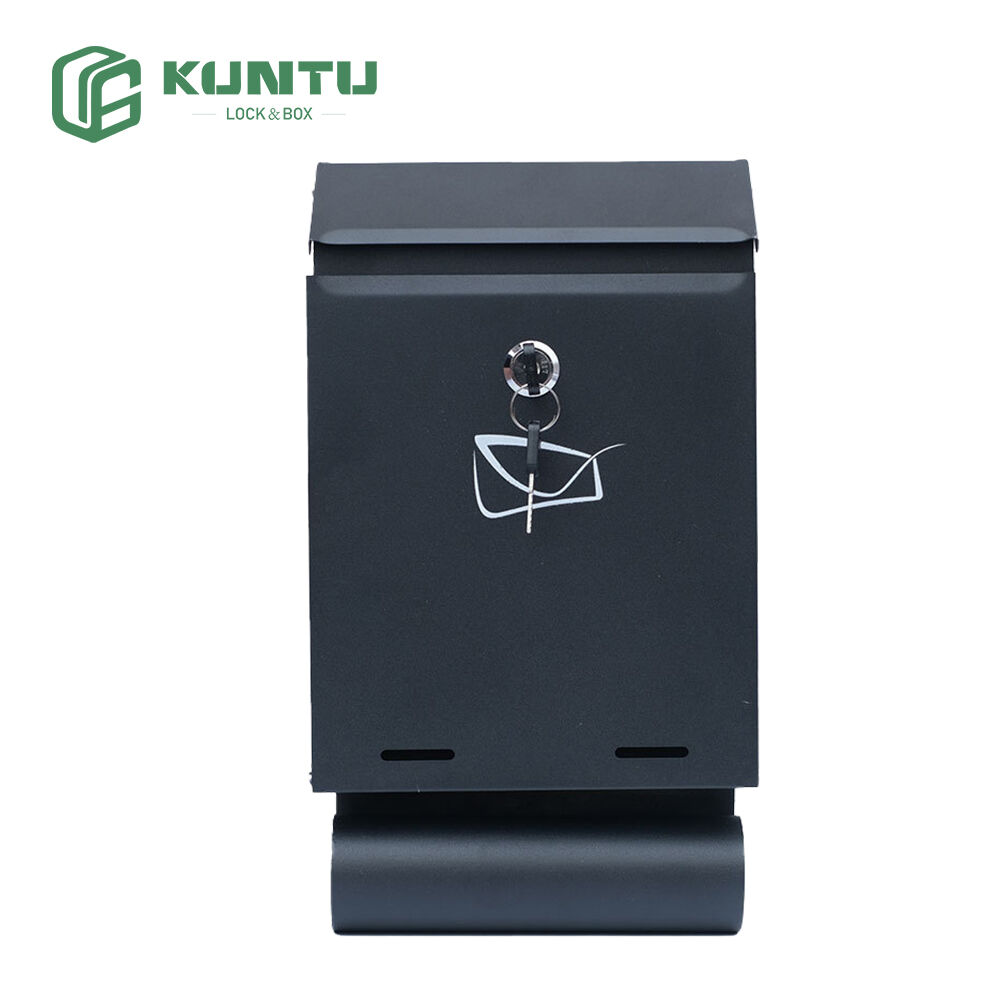
North America’s e-commerce boom has triggered an unprecedented "parcel tsunami," overwhelming multi-family residence (MFR) properties—apartments, condos, and townhome complexes—with a surge in daily deliveries. For property managers, this tidal wave of packages brings a host of persistent pain points: lost or misdelivered parcels, overburdened front desk staff, rising tenant complaints, and cluttered common areas. A 2025 report by the National Multifamily Housing Council (NMHC) found that 68% of MFR property managers cite package management as their top operational challenge, with 42% reporting increased tenant turnover due to unresolved delivery issues. To combat these problems, a one-size-fits-all approach is insufficient. Instead, property managers need a layered parcel management system that integrates parcel deposit box solutions—from large-capacity units for bulky items to smart lockers for standard packages—tailored to streamline workflows, reduce staff strain, and eliminate tenant frustrations. This article outlines five critical keys to designing such a system, helping MFR properties turn a logistical headache into a competitive advantage.
The Core Pain Points of Parcel Management in Multi-Family Residences
Before designing a solution, it’s essential to understand the root causes of parcel management chaos. First, package loss and misplacement are rampant: with front desks handling 50-200+ parcels daily per 100 units, manual sorting leads to human error, while unsecured communal shelves invite theft. Second, front desk staff are stretched thin—spending 30-40% of their shift logging, storing, and notifying tenants of deliveries, diverting time from core duties like security and tenant services. Third, tenant complaints have skyrocketed: missed deliveries force tenants to rearrange schedules, while lost packages erode trust in property management. Finally, bulky items (furniture, appliances, large electronics) present unique challenges, as standard storage solutions lack the capacity to accommodate them, leading to blocked hallways or damage to property. A effective system must address all these pain points through strategic layering of parcel deposit box options and smart processes.
5 Keys to Designing an Efficient Parcel Management System
1. Layered Storage: From Large Parcel Deposit Boxes to Smart Lockers
The foundation of a streamlined system is a layered storage strategy that matches parcel deposit box capacity to package size. This eliminates clutter, reduces sorting time, and ensures every delivery has a secure home. For oversized items—such as couches, mattresses, or flat-screen TVs—install large-capacity parcel deposit box units in designated areas (e.g., near loading docks or ground-floor storage rooms). These units should feature reinforced steel construction, adjustable shelving, and keyless access for delivery drivers and staff. For medium to large packages (e.g., Amazon boxes, clothing orders), deploy smart parcel lockers—individual, secure compartments that assign a unique code or RFID access to each delivery. Tenants receive real-time notifications (via app, SMS, or email) with access instructions, allowing them to retrieve packages 24/7 without staff assistance. For small items (envelopes, letters), integrate secure mail slots or compact lockers into the same system to centralize all deliveries.
This layered approach ensures that no package is left unaccounted for: bulky items avoid cluttering lobbies, standard packages go to smart lockers to reduce staff workload, and small items stay secure. Property managers can calculate the right mix of storage options by analyzing 3-6 months of delivery data—tracking package size distribution to allocate space effectively.
2. Smart Technology Integration for Automation
Automation is critical to reducing front desk strain and human error. Modern parcel deposit box systems should integrate with cloud-based management software that syncs with delivery drivers’ devices (e.g., Amazon Flex, UPS, FedEx). Drivers can scan a package, assign it to a tenant’s unit, and select the appropriate storage compartment—all in seconds—without interacting with staff. The system automatically sends a notification to the tenant, logs the delivery in a digital database, and tracks retrieval to confirm completion. For property managers, this means real-time visibility into package status: they can monitor locker occupancy, identify uncollected packages (and send reminders), and generate reports to optimize storage allocation.
Additional smart features include tamper alerts (notifying staff of unauthorized access toparcel deposit box units), battery backups (ensuring functionality during power outages), and integration with building access systems (allowing drivers to enter designated areas without a key). By automating 80%+ of package handling tasks, staff can refocus on high-priority responsibilities, cutting tenant complaints by 50% or more.
3. Driver-Friendly Design to Ensure Compliance
Even the best system fails if delivery drivers refuse to use it. To encourage adoption, design the parcel deposit box system with drivers’ needs in mind. First, ensure easy access: locate storage units near parking areas or loading zones, with clear signage and wide entryways for delivery trucks. Second, simplify the process: use intuitive, touchscreen interfaces for drivers to log deliveries, and provide quick-reference guides for new users. Third, offer flexibility: allow drivers to use multiple storage options (lockers, large boxes) in one visit, and accommodate rush deliveries with priority slots. Some advanced systems even integrate with driver apps, allowing pre-verification of deliveries to speed up the process.
By making the system driver-friendly, properties can achieve 90%+ driver compliance, reducing the number of packages left at front desks or on doorsteps. This not only cuts staff workload but also minimizes the risk of lost or stolen packages.
4. Tenant-Centric Access and Communication
Tenant satisfaction is the ultimate measure of success, so the system must prioritize convenience and transparency. 24/7 access to parcel deposit box units is non-negotiable—allowing tenants to retrieve packages outside of traditional business hours, eliminating missed deliveries. Multiple access methods (code, RFID fob, mobile app) cater to different tenant preferences, while user-friendly interfaces reduce confusion for elderly or tech-averse residents. Proactive communication is equally important: send delivery notifications immediately, followed by reminders for uncollected packages (e.g., after 3 days). For oversized items that require staff assistance, offer scheduled pickup times or delivery to the tenant’s door (for a fee, if desired) to enhance convenience.
Some systems also include tenant portals, where residents can view their delivery history, report issues (e.g., a damaged package), or authorize someone else to retrieve their items. By putting control in tenants’ hands, properties can reduce complaints and improve overall satisfaction scores.
5. Scalability and Future-Proofing
E-commerce growth shows no signs of slowing—North American parcel volumes are projected to increase by 40% by 2030—so the system must be scalable. Choose modular parcel deposit box units that can be added or reconfigured as delivery volumes grow. For example, start with 50 smart lockers for a 100-unit complex, then add 25 more as needed without overhauling the entire system. Future-proofing also means integrating emerging technologies: consider AI-powered package scanning (to auto-identify package size and assign storage), drone delivery compatibility (for future last-mile solutions), or integration with smart home systems (allowing tenants to track deliveries via their existing devices).
Additionally, partner with a parcel deposit box manufacturer that offers ongoing support, firmware updates, and maintenance services. This ensures the system remains reliable and up-to-date, avoiding costly replacements down the line.
Measuring Success: Key Metrics for Parcel Management Systems
To quantify the impact of the new system, track these critical metrics: front desk time spent on package management (aim for a 30-50% reduction), tenant complaints about packages (target a 60%+ decrease), package loss rate (strive for near-zero), and tenant satisfaction scores (look for a 15-20% improvement). For most MFR properties, the investment in a layeredparcel deposit box system pays for itself within 12-24 months—driven by reduced staff overtime, lower turnover (from happier tenants), and the ability to command slight rent premiums for the amenity.
Conclusion: Turning Parcel Chaos into a Competitive Edge
North America’s "parcel tsunami" is not a temporary trend—it’s the new normal for multi-family residences. Property managers who view package management as a burden will fall behind, while those who invest in a strategic, layered system will gain a competitive advantage. By combining large parcel deposit box units, smart lockers, automation, driver-friendly design, and scalability, properties can eliminate package loss, reduce staff strain, and boost tenant satisfaction. In the end, an efficient parcel management system is more than a logistical solution—it’s a way to enhance the resident experience, build trust, and maximize the value of the property.