
 EN
EN
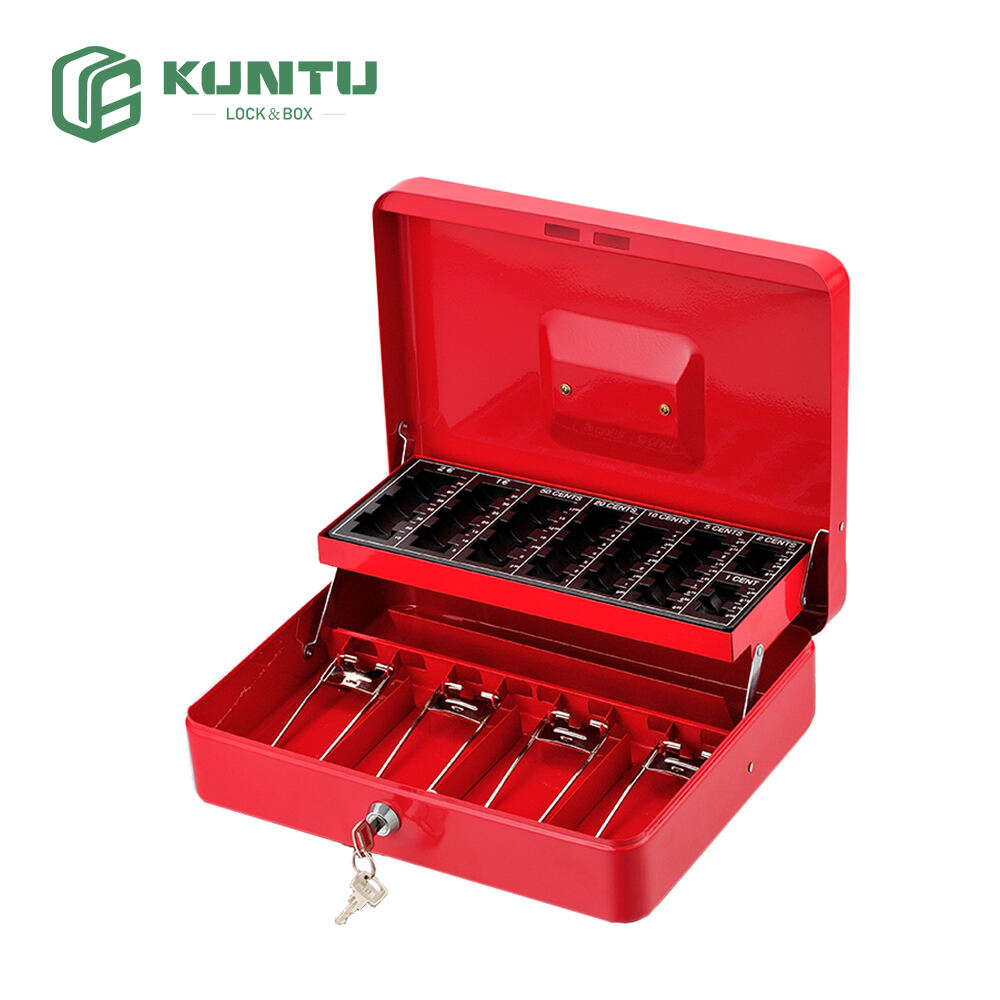
For commercial fleets—including tool trucks, telecom engineering vans, and service vehicles—"smash-and-grab" thefts are a pervasive and costly nightmare. Thieves target these vehicles for their valuable tools, equipment, and electronics, often striking in minutes by shattering windows, grabbing assets, and fleeing before authorities arrive. The financial impact of a single theft extends far beyond replacing stolen items: it includes vehicle repairs, costly downtime, missed client appointments, and damaged brand reputation. To combat this threat, a one-dimensional security solution is insufficient. Instead, fleet managers need a tiered in-vehicle asset protection system that combines secure storage (such as a durable cash box for small valuables and a heavy-duty in-vehicle safe for tools) with strategic protocols—prioritizing high-value assets while securing everyday tools. This article breaks down the tiered protection approach, quantifies the true cost of theft, and highlights the compelling return on investment (ROI) of investing in proactive security measures.
The True Cost of a "Smash-and-Grab" Theft: Beyond Stolen Assets
Many fleet managers underestimate the total financial impact of a single smash-and-grab theft, focusing only on the cost of replacing stolen tools or equipment. In reality, the losses are multi-faceted and can cripple small to mid-sized service businesses. Let’s break down the typical costs of a theft incident for a standard telecom engineering van or tool truck:
-
Stolen Asset Replacement: A full set of professional tools (wrenches, drills, saws) can cost $5,000-$15,000, while specialized telecom equipment (fiber optic testers, routers) may range from $10,000-$30,000. Small high-value items like cash, keys, or portable electronics—easily secured in a cash box—add $500-$2,000 in losses.
-
Vehicle Repairs: Window replacement, door panel repairs, and lock fixes cost $300-$800 per incident. In some cases, thieves damage interior components or wiring, pushing repair costs to $1,500+.
-
Downtime and Lost Productivity: A service vehicle out of commission for 1-3 days results in missed client appointments. For a team of 2-3 technicians billing $100-$150 per hour, this translates to $1,600-$3,600 in lost revenue per day. Additionally, rescheduling appointments damages client trust, leading to potential long-term business loss.
-
Administrative and Insurance Costs: Filing police reports, insurance claims, and inventorying lost items takes 4-8 hours of staff time ($200-$400 in labor costs). Insurance premiums may also increase by 10-20% after a claim, adding recurring costs.
When tallied, a single smash-and-grab theft can cost a business $8,000-$40,000—far exceeding the cost of investing in a tiered protection system. For fleets with multiple vehicles, the risk multiplies, making proactive security a financial necessity rather than an optional expense.
The Tiered In-Vehicle Asset Protection System: Securing Assets by Priority
The tiered protection approach categorizes in-vehicle assets by value and usage frequency, matching each category to the appropriate security measure. This balances protection, accessibility, and cost-effectiveness, ensuring critical assets are safeguarded without hindering daily operations.
Tier 1: Everyday Tools – Secured in Heavy-Duty In-Vehicle Safes
Everyday tools (drills, wrenches, screwdrivers) are used frequently throughout the workday and need to be accessible yet secure. For these items, install bolt-down in-vehicle safes—constructed from 14-gauge or thicker steel—mounted to the vehicle’s floor or wall. These safes feature anti-pry hinges, drill-resistant locks, and spacious interiors to accommodate tool sets. For added convenience, choose models with dividers or removable trays to organize tools, reducing time spent searching for equipment.
Complement these safes with a compact cash box for small valuables—such as cash, receipts, keys, or portable chargers—used daily. A durable cash box with a key lock or combination lock fits inside the in-vehicle safe or under the driver’s seat, adding a second layer of protection for high-risk small items. Opt for a cash box made of reinforced steel to resist forced entry, ensuring even small assets are not vulnerable to theft.
Tier 2: High-Value Specialized Equipment – Nightly Retrieval + Secondary Security
Specialized, high-cost equipment (fiber optic analyzers, GPS devices, industrial cameras) represents the largest financial risk and should be prioritized for maximum protection. The primary protocol for these assets is nightly retrieval: at the end of each workday, technicians bring high-value equipment back to a secured warehouse or office, eliminating the risk of overnight theft from the vehicle.
For instances where equipment must stay in the vehicle temporarily (e.g., multi-day jobs), add a secondary layer of security: store the equipment in a locked compartment within the in-vehicle safe, or use a portable security case chained to the vehicle’s frame. Some advanced systems integrate GPS tracking into high-value equipment, allowing fleet managers to locate stolen items quickly.
Tier 3: Vehicle Perimeter and Deterrence – Discouraging Theft Before It Occurs
Tier 3 focuses on deterring thieves before they attempt a smash-and-grab, reducing the likelihood of an incident entirely. Key measures include: installing window tint or shatter-resistant film (delaying thieves by 2-3 minutes, often enough to deter them), adding visible security decals (alerting thieves to in-vehicle safes and tracking systems), and equipping vehicles with motion-sensor alarms that trigger at the first sign of window breakage. For overnight parking, designate well-lit, secured lots with surveillance cameras—further reducing theft risk.
ROI Analysis: The Financial Case for Tiered Protection
Investing in a tiered in-vehicle asset protection system delivers a strong ROI, with most fleets recouping costs within 1-2 theft incidents avoided. Let’s quantify the ROI for a 10-vehicle service fleet:
-
Initial Investment: In-vehicle safes ($500-$1,000 per vehicle) + cash boxes ($50-$100 per vehicle) + window film and alarms ($300-$500 per vehicle) = Total investment: $8,500-$16,000 for 10 vehicles.
-
Annual Savings: If the fleet experiences 2-3 thefts per year (average for unprotected fleets), avoiding these incidents saves $16,000-$120,000 annually (based on $8,000-$40,000 per theft). Even for fleets with 1 theft per year, savings ($8,000-$40,000) exceed the initial investment.
-
Long-Term Benefits: Reduced insurance premiums, improved client retention, and lower administrative costs add to ongoing savings. Over 5 years, the cumulative ROI can exceed 300%.
Beyond financial returns, the system also boosts team morale: technicians no longer worry about tool theft, reducing stress and improving job satisfaction. This, in turn, lowers turnover rates—another hidden cost avoided.
Key Considerations for Implementing Tiered Protection
To maximize the effectiveness of the tiered system, fleet managers should prioritize the following:
-
Durability and Compatibility: Choose in-vehicle safes and cash boxes designed for commercial use—resistant to vibration, extreme temperatures, and daily wear. Ensure safes fit the vehicle’s interior (e.g., under seats, in cargo areas) without hindering operations.
-
Employee Training: Enforce protocols for securing tools in safes, retrieving high-value equipment nightly, and reporting suspicious activity. Regular training ensures compliance and keeps security top of mind.
-
Regular Maintenance: Inspect safes, cash boxes, alarms, and window film quarterly to ensure functionality. Replace worn locks, recharge alarm batteries, and repair damaged film promptly.
Conclusion: Tiered Protection as a Strategic Fleet Investment
Smash-and-grab thefts are not inevitable—they are preventable with a strategic tiered in-vehicle asset protection system. By securing everyday tools in durable safes and small valuables in a reliable cash box, retrieving high-value equipment nightly, and adding deterrence measures, fleet managers can eliminate the financial and operational toll of theft. The investment in this system is not just a security expense—it’s a strategic move that protects revenue, preserves client trust, and strengthens the bottom line. For service fleets, tiered protection is the most effective way to end smash-and-grab thefts and keep operations running smoothly.
Table of Contents
- The True Cost of a "Smash-and-Grab" Theft: Beyond Stolen Assets
- The Tiered In-Vehicle Asset Protection System: Securing Assets by Priority
- ROI Analysis: The Financial Case for Tiered Protection
- Key Considerations for Implementing Tiered Protection
- Conclusion: Tiered Protection as a Strategic Fleet Investment