
 EN
EN
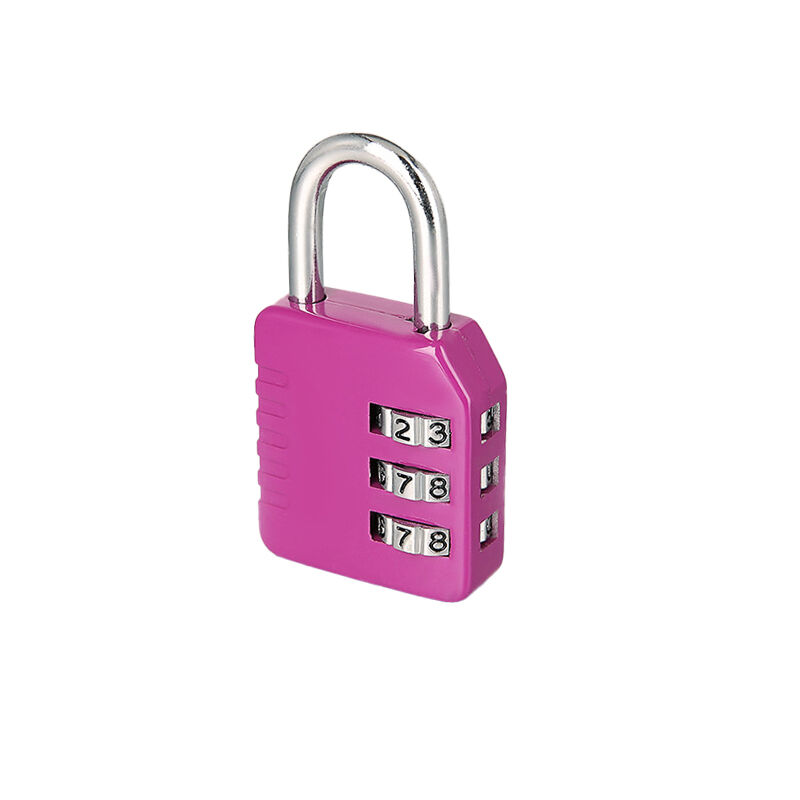
In the era of ESG (Environmental, Social, Governance) accountability, large enterprises are redefining procurement strategies—shifting from short-term cost minimization to long-term value creation that aligns with sustainability goals. For assets ranging from warehouse gates and shipping containers to construction sites and utility cabinets, padlocks are a ubiquitous yet often overlooked component of operational security. However, the choice between cheap, low-durability padlocks and high-quality alternatives has profound implications for both a company’s bottom line and its environmental footprint. This article explores how investing in premium padlocks delivers superior economic and green value by reducing replacement frequency, minimizing waste, and aligning with sustainable procurement policies—making it a strategic choice for forward-thinking enterprises.
The myth of "cost savings" from cheap padlocks collapses when evaluating total lifecycle cost (TLC)—a metric that accounts for purchase price, maintenance, replacement, disposal, and environmental impact over a product’s lifespan. Cheap padlocks, typically made from low-grade steel, flimsy mechanisms, and inferior coatings, are designed for short-term use. They succumb quickly to wear and tear: rust from exposure to weather, jamming from dust or debris, and breakage from physical force or tampering. For enterprises, this means frequent replacements—often 5 to 10 cheap padlocks are needed to match the lifespan of one high-quality model. Each replacement cycle adds direct costs (purchase price, labor for installation and disposal) and indirect costs (operational downtime from lock failures, security risks from compromised locks). In contrast, a high-quality padlock—crafted from corrosion-resistant materials like stainless steel, featuring robust locking mechanisms, and engineered for durability—delivers years of reliable performance with minimal maintenance, slashing lifecycle costs dramatically.
From an environmental perspective, the green value of high-quality padlocks lies in their ability to reduce waste and resource depletion. The production of cheap padlocks relies on virgin materials (iron, plastic, and non-recyclable components) and energy-intensive manufacturing processes—only for these products to end up in landfills or incinerators within months. According to waste management data, low-grade padlocks contribute to millions of tons of annual industrial waste, as their poor durability ensures a constant stream of replacements. High-quality padlocks, by contrast, extend product lifespan from months to years (or even decades), drastically cutting the number of units manufactured, shipped, and disposed of. Many premium padlock manufacturers also prioritize sustainable production practices: using recycled metals, water-based coatings, and energy-efficient manufacturing, while designing products for recyclability at the end of their lifecycle. This circular approach minimizes carbon emissions associated with transportation and production, aligning with enterprise goals to reduce scope 3 emissions (indirect emissions from supply chains).
For large enterprises with strict sustainable procurement policies, high-quality padlocks offer tangible benefits that go beyond environmental compliance. They enhance operational resilience: a durable padlock resists harsh weather conditions (rain, snow, extreme temperatures), corrosive environments (coastal areas, chemical facilities), and intentional tampering—reducing the risk of security breaches and the associated environmental and financial costs (e.g., stolen goods, vandalism-induced spills). Additionally, premium padlocks often come with warranties and service support, further extending their lifespan through maintenance or repairs rather than replacement. This "repair over replace" model aligns with circular economy principles, a core tenet of modern sustainability strategies. For enterprises seeking ESG certification or stakeholder accountability, choosing high-quality padlocks provides measurable evidence of progress toward waste reduction and resource efficiency goals.
The environmental impact of padlock disposal is another critical factor in sustainable procurement. Cheap padlocks are often non-recyclable due to mixed materials (e.g., plastic casings bonded to low-grade steel) and contaminated components (rust, lubricants). When disposed of, they leach metals into soil and water or release greenhouse gases when incinerated. High-quality padlocks, however, are designed with recyclability in mind—constructed from single or easily separable materials that can be repurposed into new products. Some manufacturers even offer take-back programs for end-of-life padlocks, ensuring responsible disposal and material recovery. For enterprises, this reduces the environmental liability associated with waste management and supports compliance with strict disposal regulations, particularly in industries like logistics, construction, and utilities that rely heavily on padlocks for daily operations.
Case studies from large enterprises highlight the tangible value of prioritizing high-quality padlocks in sustainable procurement. A global logistics firm, for example, replaced its fleet of cheap padlocks on shipping containers with premium stainless steel models. Within two years, the company reduced padlock replacement costs by 70%, cut labor costs associated with lock failures by 60%, and diverted over 5,000 pounds of metal waste from landfills. Similarly, a construction conglomerate switched to high-durability padlocks for job sites, reducing security incidents from lock breakages by 85% and aligning its procurement practices with its net-zero goals. These examples demonstrate that sustainable choices—like investing in quality padlocks—deliver a win-win: lower operational costs and enhanced environmental performance.
For enterprises building sustainable procurement strategies, evaluating padlocks through an ESG lens requires looking beyond upfront price tags. Key criteria for selecting high-quality, green padlocks include: material durability (corrosion resistance, impact strength), manufacturing practices (recycled content, energy efficiency), recyclability (separable components, take-back programs), and warranty length (a proxy for lifespan). By partnering with padlock manufacturers that prioritize sustainability, enterprises can integrate security solutions into their ESG framework—turning a mundane operational item into a driver of environmental progress.
In conclusion, the choice between high-quality and cheap padlocks is a microcosm of the broader shift in sustainable procurement: short-term cost savings cannot compete with long-term economic and environmental value. A single high-quality padlock outperforms ten cheap ones by reducing replacement frequency, minimizing waste, cutting lifecycle costs, and aligning with ESG goals. For large enterprises committed to sustainability, investing in premium padlocks is more than a purchase—it’s a statement of accountability, a strategy for operational resilience, and a step toward building a circular economy. As ESG performance becomes a key differentiator in the corporate landscape, high-quality padlocks emerge as a simple yet impactful tool to deliver on sustainability commitments while strengthening the bottom line.