
 EN
EN
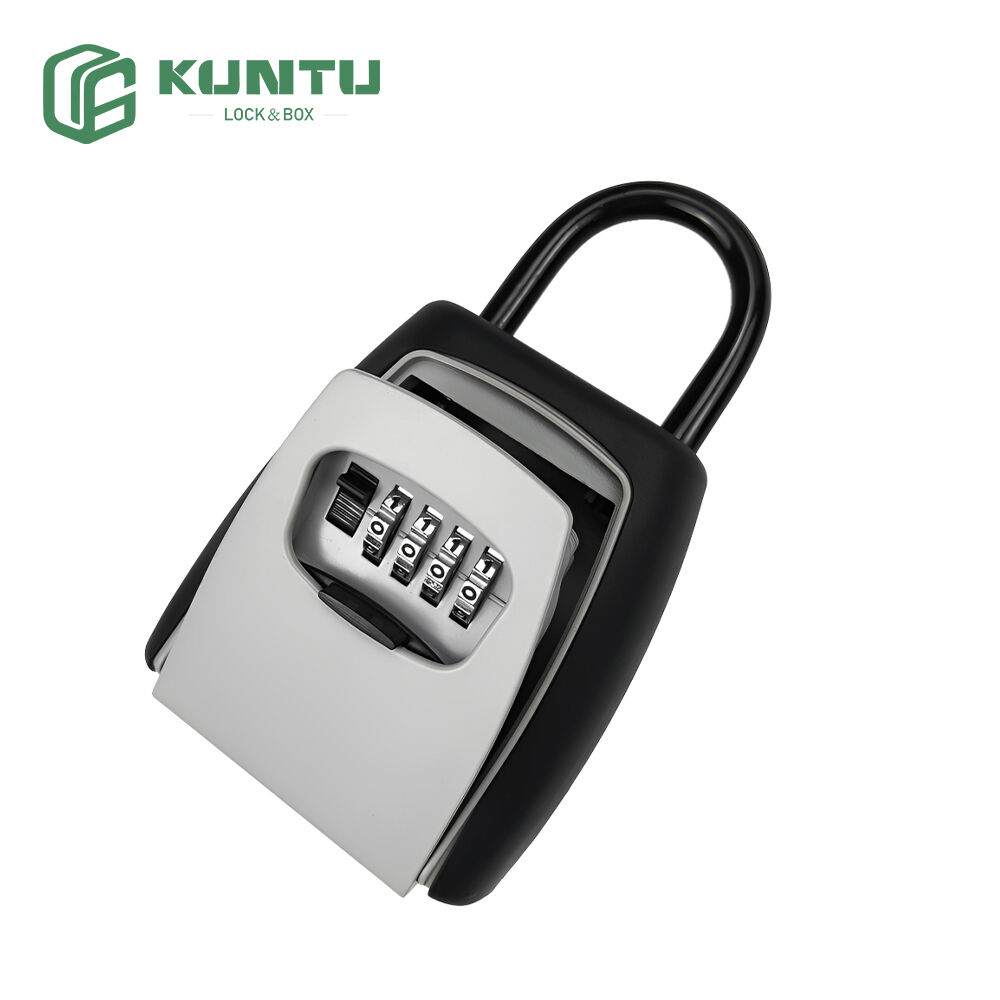
The Hidden Risks of Traditional Spare Key Storage
Why doormats, flowerpots, and rocks fail as secure key storage
Most people think hiding their spare key under a doormat or inside a flowerpot is smart, but honestly it offers almost no real protection at all. Burglars know exactly where to look first too. According to some security reports from last year, around one third of thieves check those exact spots right away. And let's not forget about weather damage either. Rain and sun can really take a toll on metal over time. We've seen cases where nearly 20% of hidden keys become completely useless after just 18 months outside. What makes these hiding places even worse? There's absolutely no way to track who took the key, nobody knows when someone accessed it, and anyone walking by could stumble across it without any warning. Once someone finds that spare key sitting outside, homes get broken into surprisingly fast. The average break-in happens in less than ten minutes once the key is discovered.
Financial and emotional cost of lockouts: $150–$400 per emergency locksmith call
Emergency lockouts impose measurable financial and psychological strain:
- Average locksmith fees range from $150 to $400 per incident (Home Security Council 2024)
- 68% occur during extreme weather or nighttime hours—elevating safety risks
- 42% of parents report heightened anxiety about children’s unsupervised access during lockouts
| Cost Factor | Traditional Key Hiding | Key Safe Solution |
|---|---|---|
| Emergency service fees | $150–$400 per incident | $0 with proper access |
| Annual replacement keys | $75 | <$5 |
| Security breach risk | 22% yearly probability | <2% |
Lockouts create dangerous vulnerability windows: 30% escalate to forced entry attempts resulting in property damage. A verified key safe eliminates these preventable crises—securing homes without sacrificing accessibility.
How a Key Safe Delivers Verified Physical Security
Tamper-resistant design vs. standard padlocks: ANSI Grade 2 certification explained
Regular padlocks just don't stand a chance against bolt cutters, but premium key safes are different. They actually meet those ANSI Grade 2 standards set by the American National Standards Institute. What does that mean? Well, these safes go through some serious testing. We're talking about 15 straight minutes of someone trying to pry them open, plus they need to resist impacts and all sorts of manipulations. The result? These units can handle about ten times more punishment compared to what you'd find at your local hardware store. Getting that ANSI Grade 2 rating really changes things for key storage. Instead of being a weak spot in security, it becomes something reliable that people can count on.
Drill-resistant steel and anti-pry features in premium key safe models
Top quality key safes come with strong boron steel plates that resist drilling attempts and heavy-duty anti-pry bars designed to stop anyone trying to force them open. What this means in practice is that someone would need way more than five minutes to get through these defenses most burglars simply aren't willing to spend that kind of time. Inside there's also a clever system that kicks in extra locking points whenever someone tries messing around with the safe. This setup gives homeowners peace of mind knowing only those with proper authorization can access their keys. No need to hide spare keys somewhere obvious anymore, no worrying about guessing codes correctly, and definitely no risk of security being compromised.
Practical Key Safe Use Cases for Modern Households
Airbnb hosting, family access, and guest management without security trade-offs
Smart key boxes make it super easy for people staying at vacation rentals to check themselves in without needing to meet anyone at odd hours or hunt around for hidden keys that might get stolen. Property owners can let family members, older folks living nearby, or employees working from home access the place through special codes that only work during certain times instead of handing out actual keys all over town. Cleaning crews and repair workers get their own set schedule to come in too, and everything gets recorded so there's a paper trail if something goes wrong. The host still controls who gets what code when they need it, how long it lasts, and can take it away anytime. What makes this system really stand out isn't just the convenience factor but knowing exactly who had access to the property and when.
Emergency access: medical responders, caregivers, and fire department coordination
When emergencies strike, first responders across the country have found that knowing where to find spare keys makes all the difference. For paramedics racing against time, being able to get into a house quickly when someone's stuck inside cuts down wait times significantly. Some studies show response times drop by around 40% when they don't have to waste precious minutes picking locks or waiting for family members to arrive. Caregivers who work with elderly clients appreciate these systems too. No more pounding on doors at inconvenient hours disrupts daily routines while maintaining respect for privacy. Firefighters save both money and property damage when they simply grab a key from its hiding spot instead of breaking down doors during accidental smoke alarm triggers. Towns that implement such programs consistently see better outcomes overall. People living alone feel safer knowing help can actually reach them when needed most, which reduces anxiety levels dramatically in high-risk populations.
Measurable Peace of Mind: Stress Reduction and Long-Term Benefits
Putting in a key safe changes how we think about home security altogether. No more stressing about misplaced keys or people getting in without permission when something goes wrong. Just having that extra layer means less stress overall so we can focus on actual important stuff instead of constantly worrying about locks. The advantages grow over time too. When family members need to get in quickly, or doctors arrive unexpectedly, or maybe even just a neighbor who wants to check on things while we're away, they can do so without breaking anything or calling expensive locksmiths (those fees run anywhere between 150 to 400 bucks). Beyond saving money, these safes actually help lower our body's stress response, give us real control over our own living space, and ultimately improve day-to-day happiness because there's always that background assurance that everything remains secure.
A1: These spots are commonly checked by burglars, offer no protection from weather, and once the key is found, it allows quick access to the home.
A2: Emergency locksmith fees can range from $150 to $400, and these events often lead to emotional stress and safety issues, especially during extreme conditions.
A3: Key safes are tamper-resistant and meet ANSI Grade 2 standards, offering enhanced protection against rigid force and intrusion efforts.
A4: Yes, it allows secure, flexible access management with trackable codes for guests, without the need to physically hand over keys.
A5: Key safes provide quick access for emergency responders, helping to reduce response times and ensuring safety without property damage.