
 EN
EN
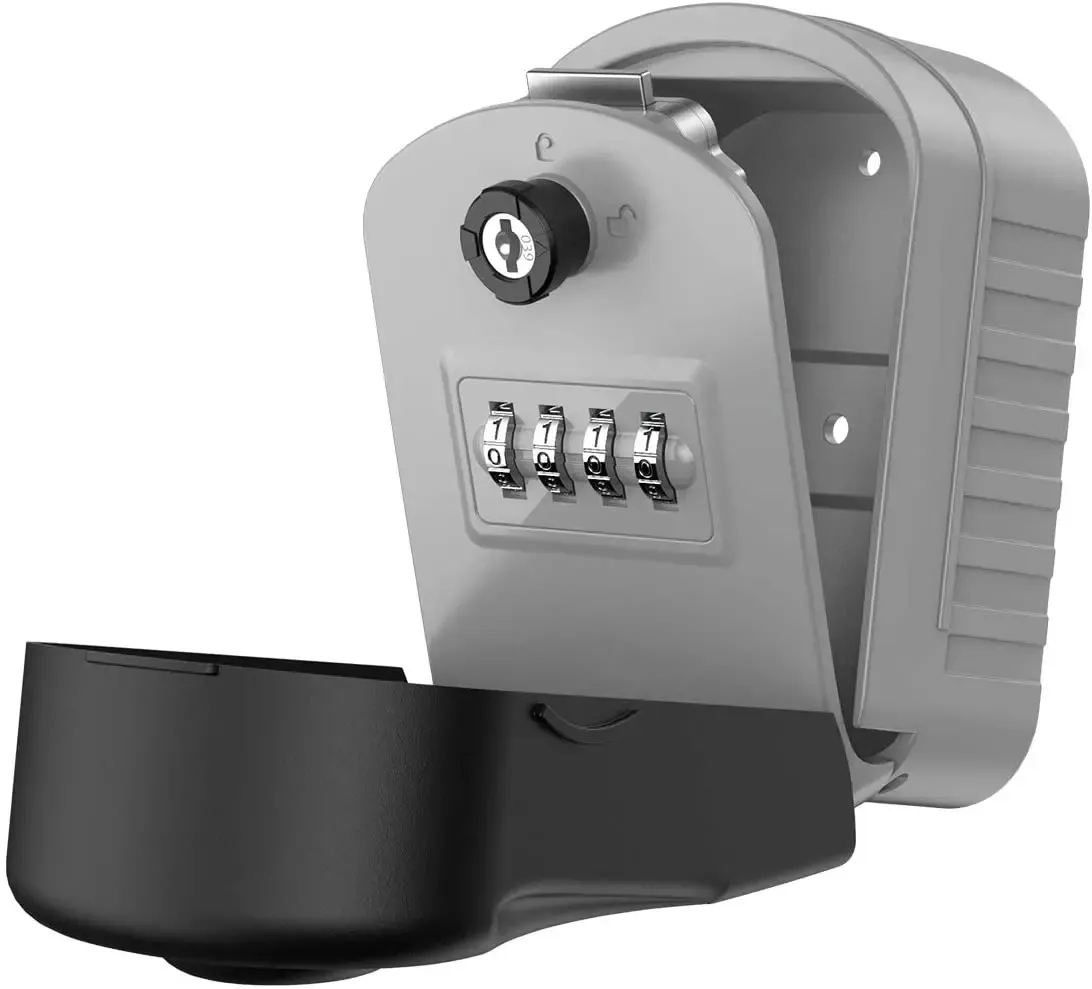
Why a Key Safe Solves the Core Trade-Off Between Security and Accessibility
The failure of traditional key storage: doorframes, flowerpots, and hidden keys
Putting spare keys under doormats or hiding them in plastic rocks is basically asking for trouble since most burglars check exactly those places first thing. Security experts report that more than half of all home break ins happen because someone left their extra key somewhere obvious. Homeowners end up stuck between two bad options really. Leave the key somewhere easy to find and invite unwanted guests in, or hide it so well that when disaster strikes and you need it most, it's nowhere to be found. Another problem nobody talks about much is that regular metal keys don't leave any record behind. No one will ever know if the neighbor borrowed the key last week, or worse, if someone walked off with it after pretending to deliver mail. And let's not forget about Mother Nature getting involved too. Rain and snow can turn even good quality keys into rusty paperweights that won't fit in the lock when they're needed most.
How modern key safes eliminate compromise—without sacrificing instant physical access
Good quality key safes actually solve this problem because they're built to resist tampering and still let people in when needed. Most folks just hide keys under flower pots or something, but proper key safes have those tough steel cases and special mechanisms that stop prying attempts. They meet standards approved by law enforcement agencies too, like the Sold Secure Diamond rating system. The best part? Instead of dealing with regular house keys that break or get lost, users get personalized codes to open them. No more handing over physical keys, which is especially handy if there's no electricity or internet connection. Real estate managers tell us about an average drop of around 80-85% in those annoying lockout situations once they install these safes. Think about what that means practically speaking: parents don't have to worry about their babysitter getting stuck outside during a storm anymore. And for places rented out short term, guests can come and go on schedule using the code without anyone needing to coordinate ahead of time.
What Makes a Key Safe Truly Secure: Tamper Resistance, Weatherproofing, and Mounting Integrity
Anti-pry construction, hardened steel, and certified resistance to common attack vectors
Real security doesn't start with marketing claims but with solid engineering that can actually hold up when attacked in the field. Good anti-pry features include those thick reinforced edges and those special bolts that lock together, making it tough for someone trying to get in with a crowbar. The body itself needs to be made from hardened steel too since people will try drilling or cutting through it. Some top quality locks have been tested and shown they can last for more than two whole minutes under constant attack according to standard tests. Certifications matter here too. Look for ones like Sold Secure which test how well locks stand up to all sorts of tampering, forced entry methods, and even deliberate destruction attempts. Manufacturers who skip these basic protections end up with products that fail spectacularly, something security experts see all the time in their failure reports across different industries.
IP65+ ratings and structural anchoring: why outdoor durability is non-negotiable for a key safe
Outdoor key safes need to handle more than just thieves trying to steal them. They also have to stand up against all sorts of weather conditions day after day. The IP65 rating means they can keep out dust completely and still work even if sprayed with water from different directions. How these safes are attached makes a big difference too. When installed properly with bolts into concrete, they become much harder targets for would-be thieves. Studies show this method cuts down on theft attempts by around 90% or so compared to those left loose somewhere. With both good weather protection and solid installation, these devices stay functional even in really tough environments. Think temperatures ranging from minus 40 degrees Celsius right up to plus 80, constant salt air damage near beaches, and materials specially treated to resist sun damage. All this means people can get into their homes or offices whenever needed, no matter what Mother Nature throws their way.
Choosing the Right Key Safe: Matching Features to Real-World Use Cases
Residential vs. property management: capacity, auditability, and multi-user needs
Most homeowners just want something small they can lock with a PIN code to keep their 1 to 3 house keys safe from rain and dust. They care more about basic protection than fancy features that track every detail. Things get trickier for property managers though. These folks deal with dozens of keys at once so bigger boxes that hold 10 or more make life easier. The real game changer? Those models with access logs that show exactly who took what key and when they did it. That creates some much needed accountability after all those times someone claims they never got the key back. According to a recent study of apartment buildings last year, around two thirds of managers started using these trackable safes after dealing with break-ins where no one knew who was responsible. And when multiple people need different levels of access throughout the day for repairs, cleaning schedules, or showing properties to buyers, having proper multi-user support matters a lot without risking security by letting everyone share the same master code.
Smart integration options—when Bluetooth or RFID adds value without overcomplicating a key safe
Smart technology needs to work with reliability, not against it. When homes get too dependent on biometric scanners or apps alone, things tend to break down in ways nobody expects. Most regular folks just want something that works when they need it. That said, there are smart additions worth considering. For property managers dealing with constant tenant changes, Bluetooth systems that track entry times can really cut down on paperwork headaches. And those little RFID cards? They let firefighters get inside buildings faster in emergencies, which actually meets safety standards from organizations like NFPA 101. At the end of the day though, nothing beats good old fashioned reliability. Look for locks rated IP65 against dust and water, and always check if there's a manual override dial hidden somewhere. Power goes out? Network crashes? The last thing anyone wants is to be locked out because some fancy tech stopped working.
FAQs
What is the main advantage of using a key safe?
A key safe offers enhanced security by preventing unauthorized access while still allowing easy access to those who know the code. It resolves the trade-off between hiding keys in obscure places and having easy-to-find spare keys.
How can I ensure my key safe is tamper-proof?
Choose a key safe made from hardened steel with anti-pry features and certified resistance against common attack vectors like drilling or cutting. Look for products with certifications from agencies like Sold Secure.
Can key safes withstand harsh outdoor conditions?
Yes, many key safes are weatherproofed with ratings such as IP65+ to withstand dust, water, and extreme temperatures without compromising functionality.
What features should property managers consider when choosing a key safe?
Property managers should opt for larger capacity safes with audit capabilities to track key access and multi-user support to manage different levels of access efficiently for tenants and technicians.