
 EN
EN
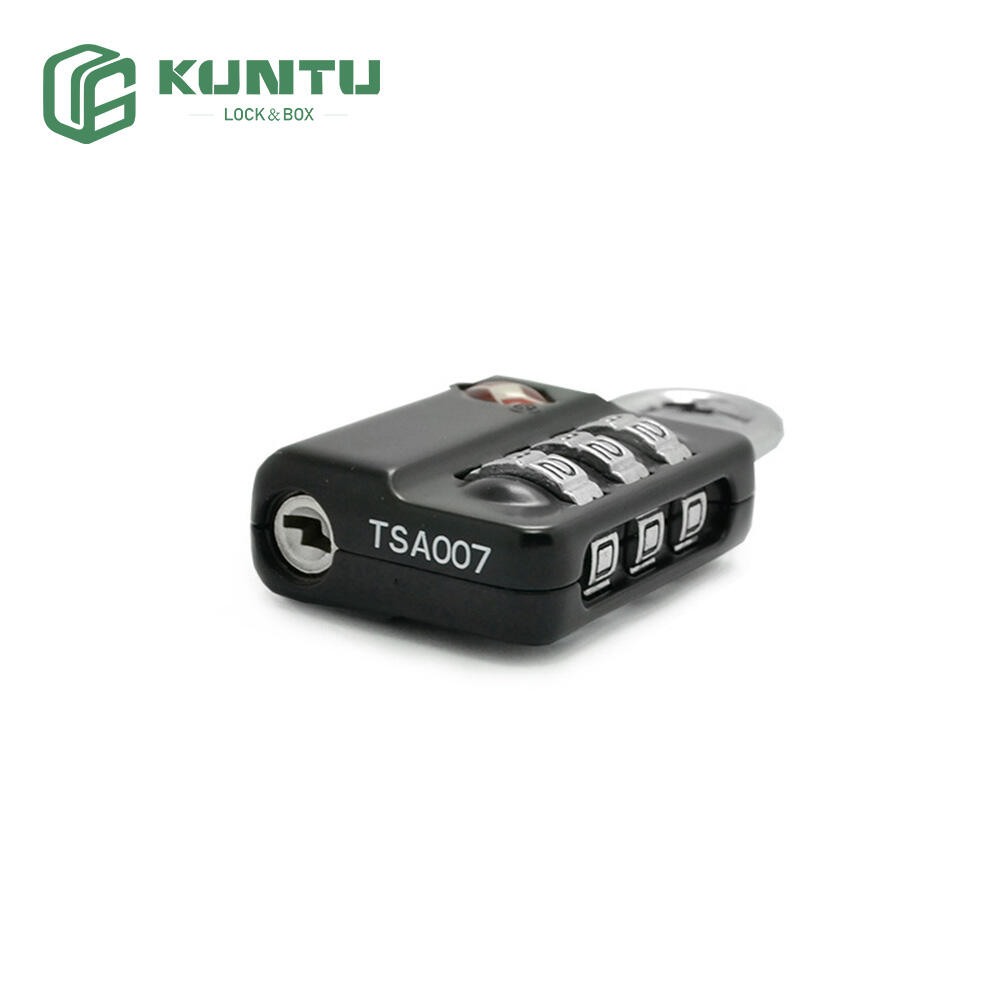
Why Backpackers Need TSA-Approved Locks
Backpackers dealing with airport security really need TSA approved locks these days. These special locks let agencies like the TSA, ECAC, and AACO check bags without breaking them open. The whole point is to stop those frustrating situations where agents have to smash locks or cause delays because they can't get access. And it works too. According to some research from Ponemon Institute back in 2023, broken locks alone cost airlines around 740 thousand dollars every year in compensation claims. Look for that red diamond mark on your lock - it shows the product meets Travel Sentry standards. With this marking, travelers know their gear will pass through security checkpoints quickly without getting damaged anywhere from New York to Nairobi. No more worrying about lost stuff or ruined gear during long trips abroad.
How TSA Locks Work: Compliance, Inspection, and the Red Diamond Standard
TSA-approved locks use specialized mechanisms that permit authorized security personnel to open and relock them without cutting or breaking. Designed to meet international aviation security protocols, these locks streamline inspections while preserving luggage integrity—reducing related damage by over 80% compared to non-compliant alternatives (Aviation Security Industry Report, 2023).
The meaning and global recognition of the TSA red diamond logo
That red diamond logo means the product meets Travel Sentry's global testing and manufacturing requirements. What does that actually mean? Well, these locks have gone through independent checks for things like how long they last, what materials they're made from, and whether they work properly with those special master key systems used by TSA, ECAC, AACO, and others across more than 180 nations. Most international airlines and airports now insist on seeing this mark on baggage locks because it makes security screening much smoother when bags cross different borders without causing delays or confusion at checkpoints around the world.
How TSA and international agencies (ECAC, AACO) open locks without damage
Security personnel from TSA, ECAC, and AACO carry special master keys that work with specific internal lock codes inside travel locks. When they need access, these keys fit into small hidden spots on the lock - sometimes under those little rubber covers people don't notice, other times built right into the lock itself. Once they're done checking what's inside, the officers put everything back exactly how they found it, matching the original combination or setting the lock just as it was before. The whole point of this system is so agents don't have to damage bags with bolt cutters or force them open somehow. Travelers can rest easy knowing their belongings stay secure throughout the process, while still allowing necessary inspections when required.
Best TSA Lock Types for Backpacks: Cable, Combination, and Smart Options
Backpackers benefit most from adaptable, field-tested security solutions. The three primary TSA lock types—cable, combination, and smart—address distinct operational needs: simplicity and reliability, flexibility across gear configurations, and tech-enhanced monitoring.
Cable TSA locks for flexible backpack security across zippers and straps
Most cable TSA locks come with a retractable steel wire around 4mm thick that runs through several zipper pulls at once while securing compression straps and external loops too. This setup keeps everything locked down from the main compartment right down to those annoying little pockets and even hydration sleeves without needing separate locks for each part. The longer cables can actually be anchored securely to things like hostel beds, trail markers near campsites, or student dorm furniture when traveling light becomes important. These locks usually have either zinc alloy or treated aluminum bodies which stand up pretty well against rust and bumps during travel. Just remember not to crank them too tight though since this might strain zippers or break sliders over time something many travelers learn the hard way after their first few trips.
Smart TSA locks: Bluetooth alerts, tamper detection, and real-world battery trade-offs
The latest smart TSA locks come with Bluetooth so travelers get instant alerts if someone tampers with them, plus they can set up geofence notifications, unlock using fingerprints, and track everything through phone apps. But there's a catch these things need regular charging since most will run down after about 6 to maybe 12 months depending on usage, which means packing extra batteries or bringing along a portable charger when going somewhere for weeks at a time. And here's another thing nobody mentions much signal strength becomes a big problem out in the wilderness where cell towers are few and far between. That's why having that old fashioned key method isn't just handy it's absolutely essential for anyone planning serious backpacking adventures away from civilization.
Practical Tips for Using TSA Locks on Backpacks
Optimal placement: securing main compartments, laptop sleeves, and external pockets
Start with the main compartment of your backpack since it holds the most valuable stuff like clothes, papers, and important items. Run the TSA lock through those two zipper tabs and make sure the little metal piece snaps all the way in. Some bags come with special sections for laptops or electronics so don't forget to put another TSA lock on that part too, especially if heading overseas. Those outside pockets where people stick passports, money, and credit cards should definitely have locks as well. Just be careful not to stuff too much in there though because heavy loads can break zippers and actually make things less secure in the long run.
Durability essentials: water resistance (IPX4), zipper pull strength, and travel-tested materials
When picking out locks for travel gear, go for ones with an IPX4 rating or better so they can handle rain, splashes, and damp conditions without failing. Test those zipper pulls too - give them a good tug and see if they hold up. Good quality pulls should stay attached even when pulled pretty hard, around 15 pounds minimum. Material matters a lot here. Look for stuff that won't rust or crack easily. Anodized aluminum works well, as does hardened polymer or cables made from stainless steel. These materials last longer in tough situations. Reinforced cables are actually quite handy because they fit onto weird shapes and spots where regular zippers might struggle. Plus, these tougher cables stand up against cutters much better than cheap nylon or flimsy wire options typically found on budget bags.
FAQ
What is a TSA-approved lock, and why do I need one?
A TSA-approved lock is a type of luggage lock that can be opened by security agencies like the TSA using a master key. This prevents the need for them to break or damage your lock, ensuring your luggage remains secure during inspections.
What does the red diamond on a lock signify?
The red diamond logo on a lock signifies that it meets Travel Sentry's global testing and manufacturing requirements, indicating it can be opened by airport security without damage.
Are smart TSA locks reliable for long backpacking trips?
Smart TSA locks are reliable but require regular charging. For long trips, it's best to have backup methods like traditional keys due to potential battery drains and connectivity issues in remote areas.