
 EN
EN
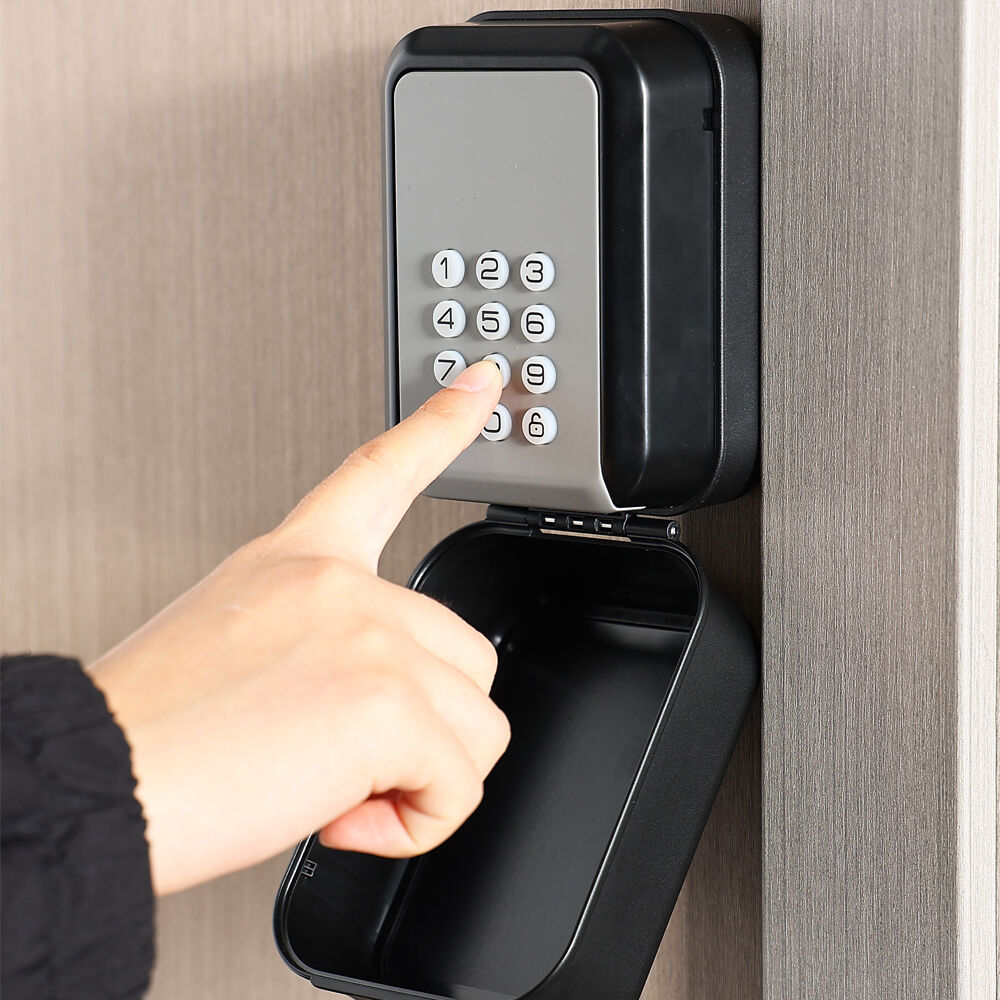
Why Key Safe Security Varies by Technology: Mechanical, Electronic, and Bluetooth Models
Mechanical Key Safes: Simplicity vs. Human Factor Risks
Mechanical key safes work the old fashioned way without any electronic components or batteries needed. They just need a dial combination or actual metal keys to function. This makes them immune to those pesky software bugs and battery issues we see in smart devices these days. But there's a catch. Security really depends on people remembering their codes and not getting lazy. When someone forgets their combination, it opens the door for lock picking attempts. And let's face it, when multiple staff members share access codes, nobody knows who actually used the safe last time. Physical keys present another problem altogether. Anyone can make copies at hardware stores, lose them in the parking lot, or worse yet, have them stolen outright. What starts as convenient access becomes a major vulnerability that completely sidesteps whatever security protocols are supposed to protect sensitive contents.
Electronic Key Safes: Audit Trails, Firmware Risks, and Remote Management
Digital key safes bring in a whole new level of tracking with their time stamped logs linked to specific user PINs. This lets real estate agents know exactly who walked into what property and when they did it. While updating combinations remotely through smartphone apps definitely makes life easier for teams spread out across different locations, there's a catch. Old software versions open the door for hackers trying brute force attacks or stealing credentials. And let's not forget about batteries either. A dead unit means nobody gets into that hot new listing until someone finds the backup mechanical override or sets up alternative access methods. The folks at NIST actually wrote about this in their SP 800-160 document, stressing how important it is to check firmware integrity each time an update happens. Problem is, most budget friendly models on the market today don't even come close to meeting these standards.
Bluetooth Key Safes: Convenience Trade-offs and BLE Spoofing Vulnerabilities
BLE key safes let agents access properties using their phones without touching anything physical, which works great when there are multiple showings back to back. But there's a downside too. The BLE signals can actually be intercepted and extended by hackers wanting to pretend they're right next to the device when they aren't. This kind of relay attack lets someone unlock a unit from afar. And don't forget about those mobile apps either. If someone gets hold of an agent's login details, they might gain access to all sorts of other key safes within the same real estate office network. Sure, BLE makes things super convenient for frequent users, but if the firmware isn't regularly updated, these systems become much easier targets than older mechanical locks or properly secured electronic alternatives. According to the Bluetooth SIG's latest security advice from 2023, businesses really need to stick with devices that support secure connections and have proper encryption for software updates before calling them ready for serious business operations.
Operational Discipline: How Agent Behavior Defines Key Safe Effectiveness
The 3R Framework: Rotate, Restrict, Record Combinations
Technology alone cannot compensate for inconsistent human behavior. The 3R Framework—Rotate, Restrict, Record—converts passive hardware into an active layer of defense:
- Rotate combinations quarterly to limit exposure from former staff, social engineering, or pattern-based guessing
- Restrict access using role-based permissions; only listing agents receive current codes per property
- Record every access event digitally with timestamps, user IDs, and device fingerprints for forensic traceability
According to the Security Journal from 2023, about 8 out of 10 physical security breaches actually come down to people mistakes. Things like sharing codes verbally, using the same access codes at different locations, or forgetting to remove old staff credentials continue to mess up even top notch security systems. Real estate companies that stick strictly to their 3R protocols see around two thirds less break ins compared to those who don't (Real Estate Security Report, 2024). Keeping track records for at least a year isn't just good practice when something goes wrong. These logs help spot patterns in how people behave and point out areas where additional training might be needed. Most businesses find this approach pays off in the long run.
| Practice | Frequency | Enforcement Method |
|---|---|---|
| Combination Rotation | Quarterly | Automated system alerts |
| Access Restriction | Per-property | Role-based permissions |
| Activity Recording | Real-time | Digital audit dashboard |
When embedded in daily operations and reinforced through accountability, the 3R Framework transforms key safe management from reactive maintenance into proactive risk mitigation.
Strategic Key Safe Placement: Visibility, Access, and Physical Security Balance
Zone-Based Mounting Guidelines for Optimal Protection
Placement determines whether a key safe serves as a deterrent—or an invitation. Divide property perimeters into three functional zones:
- Public Zones (e.g., front porch): Prioritize visibility for agent safety and deterrence, but avoid predictable locations like doorframes or mailboxes. Mount in shaded, CCTV-covered areas near entryways—not directly above locks or peepholes.
- Semi-Private Zones (side gates/rear entries): Balance accessibility with discretion. Install units at least 5 feet above ground to prevent casual tampering, and orient them away from street-level sightlines while preserving line-of-sight for authorized users.
- Private Zones (garages/utility rooms): Maximize concealment—but never at the expense of signal reliability. Confirm cellular/Wi-Fi coverage for electronic models before installation; BLE units require stable Bluetooth range, not just proximity.
Putting devices where they can be seen cuts down on personal risks, though it does make them targets for quick grab-and-go thefts. On the flip side, when equipment is tucked away from sight, extra protection becomes necessary. We're talking about things like brackets that resist prying attempts, seals that show if someone messes with them, and connections to alarm systems these days just aren't optional anymore. Metal surfaces create problems for wireless communication signals, particularly bad news for those BLE and cellular enabled gadgets. A recent study published in Journal of Property Security back in 2023 found that over half (about 62%) of all security breaches happened because devices were mounted near metal objects. When installing, make sure everything is bolted down firmly to solid structures using at least Grade 5 security bolts. Save the adhesive stuff, regular wall screws, and fancy looking hardware for something else entirely.
Choosing the Right Key Safe: Matching Features to Brokerage Workflow and Risk Profile
When choosing a key safe for real estate offices, it's important to match what technology offers against how the brokerage actually operates day to day, not just what fits into their financial plans. Urban offices dealing with lots of turnover and high value properties generally get better results from electronic or Bluetooth options that come with encrypted logs tracking who accessed keys when, allow managers to disable access remotely if needed, and work alongside existing security systems. For smaller operations in rural areas where staff changes less frequently and property values aren't so sky high, good old fashioned mechanical safes still offer solid protection as long as everyone follows basic rules about returning keys promptly after showings and doing regular checks every three months or so to ensure nothing has gone missing or been tampered with.
Evaluate these core criteria objectively:
- Daily access frequency: Dictates durability requirements (e.g., IP66-rated enclosures for high-use outdoor deployments)
- Agent turnover rates: Determine the need for automated deprovisioning, multi-tiered PIN hierarchies, or biometric fallbacks
- Property value concentration: Justifies investment in higher-assurance authentication (e.g., two-factor PIN + BLE handshake vs. PIN-only)
- Integration needs: Assess compatibility with existing CRM, lockbox, or security ecosystem APIs
Think about getting modular equipment that can be upgraded over time rather than buying something meant to be thrown away after a few years. When systems grow with needs, they tend to pay for themselves in the long run while still holding up against rain, rust, and even attempts at breaking in. Security is another big concern worth addressing properly. Make sure the device updates regularly through the air, uses strong encryption like AES-256 at least, and has clear rules about how vulnerabilities get reported. Look at what kind of security breaches happen locally before making decisions. For businesses located in cities where cyberattacks are common, sticking to NIST's security recommendations isn't just good practice anymore—it's basically required if companies want to stay compliant with regulations and maintain customer confidence.
FAQ
What are the main types of key safes?
The main types of key safes include mechanical, electronic, and Bluetooth models.
How do mechanical key safes differ from electronic or Bluetooth models?
Mechanical key safes do not require electronic components or batteries and rely on a dial combination or metal keys. In contrast, electronic key safes provide digital tracking with timestamps and require firmware updates. Bluetooth models enable phone-based access using BLE signals.
What is the 3R Framework?
The 3R Framework stands for Rotate, Restrict, and Record combinations to enhance security and traceability.
How does the placement of a key safe affect its security?
Placement affects whether a key safe acts as a deterrent or an invitation. Public, semi-private, and private zones are recommended for optimal visibility, access, and physical security balance.
Table of Contents
- Why Key Safe Security Varies by Technology: Mechanical, Electronic, and Bluetooth Models
- Operational Discipline: How Agent Behavior Defines Key Safe Effectiveness
- Strategic Key Safe Placement: Visibility, Access, and Physical Security Balance
- Choosing the Right Key Safe: Matching Features to Brokerage Workflow and Risk Profile
- FAQ