
 EN
EN
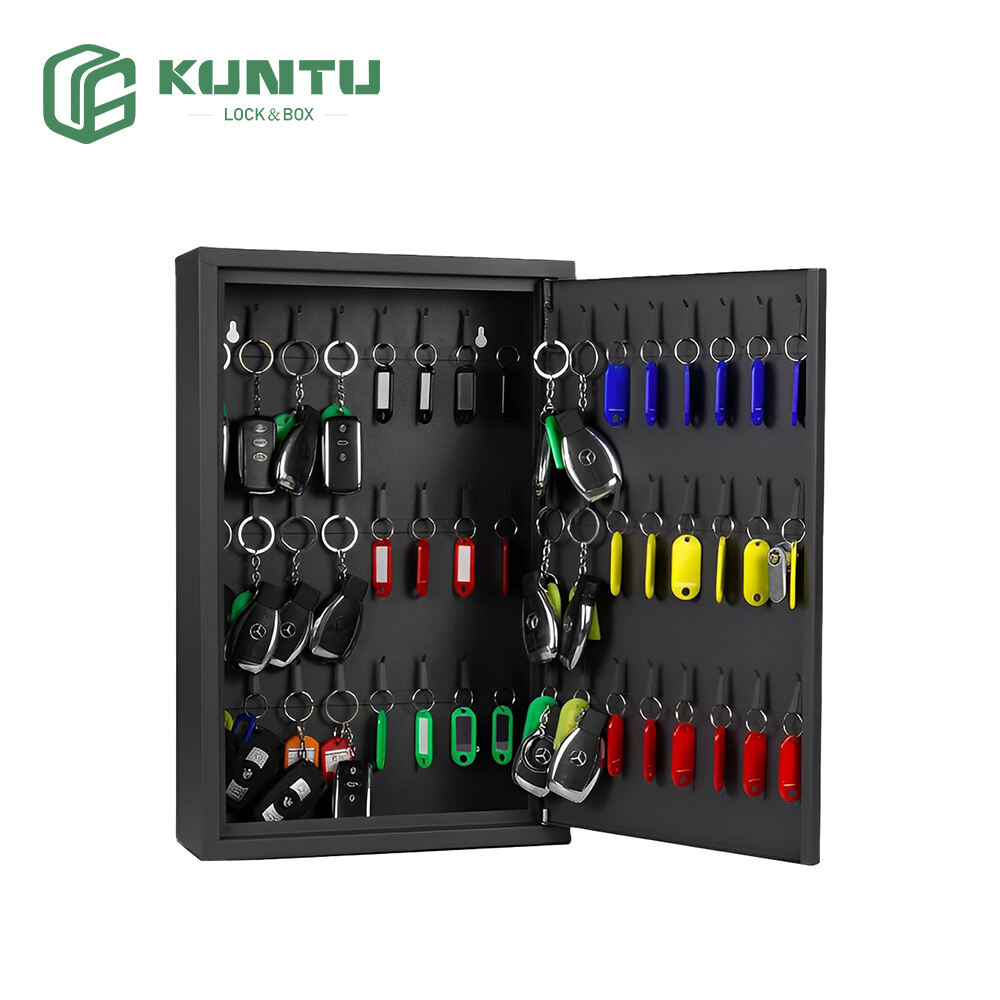
The short-term rental market, led by platforms like Airbnb and Vrbo, has exploded in popularity, offering travelers unique, home-like accommodations and hosts a lucrative income stream. However, this boom comes with distinct challenges: balancing guest convenience, property security, and operational efficiency—all while managing turnover, varying check-in times, and the need to build trust with guests. For modern hosts, a smart key safe lock box is no longer a luxury but a cornerstone tool, enabling seamless self-check-in, robust security, and streamlined operations that directly boost guest satisfaction and bottom-line revenue. This guide breaks down the full spectrum of leveraging a key safe lock box to elevate your short-term rental business.
Choosing the right key safe lock box is the first step to unlocking its full potential—and not all models are suited for short-term rental use. Hosts must prioritize three core features: security, connectivity, and durability. Opt for a tamper-proof smart key safe lock box constructed from heavy-duty materials (such as steel) with anti-pry mechanisms to deter break-ins. Avoid basic mechanical lock boxes; instead, invest in smart versions that support digital access codes, remote management, and integration with rental platforms. Look for models that offer one-time access codes (OTACs)—a game-changer for short-term rentals, as codes automatically expire after a guest’s stay, eliminating the risk of reusing or sharing codes. Additionally, weather-resistant designs are essential for outdoor placement (e.g., near front doors or mailboxes), ensuring the lock box holds up in rain, snow, or extreme temperatures. For tech-savvy hosts, cloud-connected key safe lock boxes that sync with mobile apps provide real-time alerts (e.g., when a guest retrieves the key) and access logs, adding an extra layer of visibility.
Mastering password (access code) management is critical to maintaining security while keeping the guest experience frictionless. The biggest pitfall for hosts is reusing static codes, which leaves properties vulnerable to unauthorized access from past guests. Smart key safe lock boxes solve this by enabling dynamic code generation: create a unique code for each guest, tied to their reservation dates, and deliver it via the Airbnb/Vrbo messaging system, email, or SMS 24–48 hours before check-in. Include clear instructions on locating the lock box and entering the code—simplicity here reduces guest inquiries and frustration. For added security, set code expiration times (e.g., 2 hours after check-in to prevent late arrivals from sharing codes) and enable auto-lock features to ensure the box secures itself after use. Hosts managing multiple rentals can use centralized apps to manage codes across all key safe lock boxes, eliminating the hassle of manual updates and reducing the risk of human error. Avoid sharing codes publicly or via unencrypted channels, and never include codes in reservation confirmations—timed delivery minimizes exposure.
Integrating your key safe lock box with Airbnb, Vrbo, and other rental platforms transforms it from a standalone tool into a fully automated operational asset. Many modern smart key safe lock boxes offer direct integration with rental platform APIs or third-party property management systems (PMS) like Hostaway, Guesty, or Lodgify. This integration syncs reservation data automatically: when a guest books, the system generates a unique access code, schedules its activation/deactivation to match check-in/check-out times, and sends the code to the guest—all without manual intervention. This automation cuts down on administrative work, freeing hosts to focus on other revenue-boosting tasks (e.g., property upgrades, guest communication, or marketing). Integration also enhances guest trust: travelers appreciate the transparency of timed, unique codes, and the seamless self-check-in process often leads to higher ratings—critical for standing out in the crowded short-term rental market. For hosts using co-hosts or cleaning teams, integrated key safe lock boxes allow temporary access codes to be generated for staff, with access limited to specific time windows (e.g., between check-out and the next check-in), ensuring accountability and security.
Beyond security and convenience, a key safe lock box directly contributes to maximizing income by expanding booking flexibility and reducing operational costs. Short-term rental guests often have irregular arrival times—delayed flights, road trips, or last-minute plans—that make in-person key handoffs impossible. A 24/7 accessible key safe lock box eliminates the need for hosts to be on-site for check-in, opening up bookings for late-night or early-morning arrivals that might otherwise be declined. This flexibility increases occupancy rates, as guests are more likely to book properties that accommodate their schedules. Additionally, by reducing the time spent on key handoffs and guest inquiries about access, hosts save on labor costs (or free up their own time to manage more properties). Higher guest satisfaction from seamless check-in also translates to better reviews, which improve search rankings on Airbnb/Vrbo—driving more bookings and allowing hosts to command premium rates. For hosts targeting business travelers or digital nomads, a smart key safe lock box is a key amenity that sets their rental apart from competitors still relying on traditional key handoffs.
To avoid common pitfalls, hosts should also prioritize maintenance and guest education. Regularly inspect your key safe lock box for wear and tear, replace batteries (for wireless models) proactively, and test codes before each guest arrival to prevent malfunctions. Post a small, visible note near the lock box with emergency contact information—this reassures guests and provides a solution if they encounter issues. Avoid placing the lock box in obvious, easily accessible locations (e.g., directly in front of a window) to deter theft; instead, choose a discreet spot (e.g., near a planter, under a porch light, or beside the front door) that’s still easy for guests to find with clear directions. Finally, stay updated on firmware updates for smart key safe lock boxes—manufacturers often release security patches and new features that enhance functionality and protect against vulnerabilities.
In the competitive short-term rental market, success hinges on delivering a secure, convenient, and seamless guest experience—while optimizing operations to maximize profits. A smart key safe lock box is the linchpin of this strategy, solving the core challenges of access management, security, and flexibility for Airbnb/Vrbo hosts. By selecting the right model, mastering dynamic code management, and integrating with rental platforms, hosts can transform their properties into low-hassle, high-revenue assets. Whether you’re managing a single condo or a portfolio of rentals, investing in a reliable key safe lock box is an investment in guest satisfaction, security, and long-term income growth.