
 EN
EN
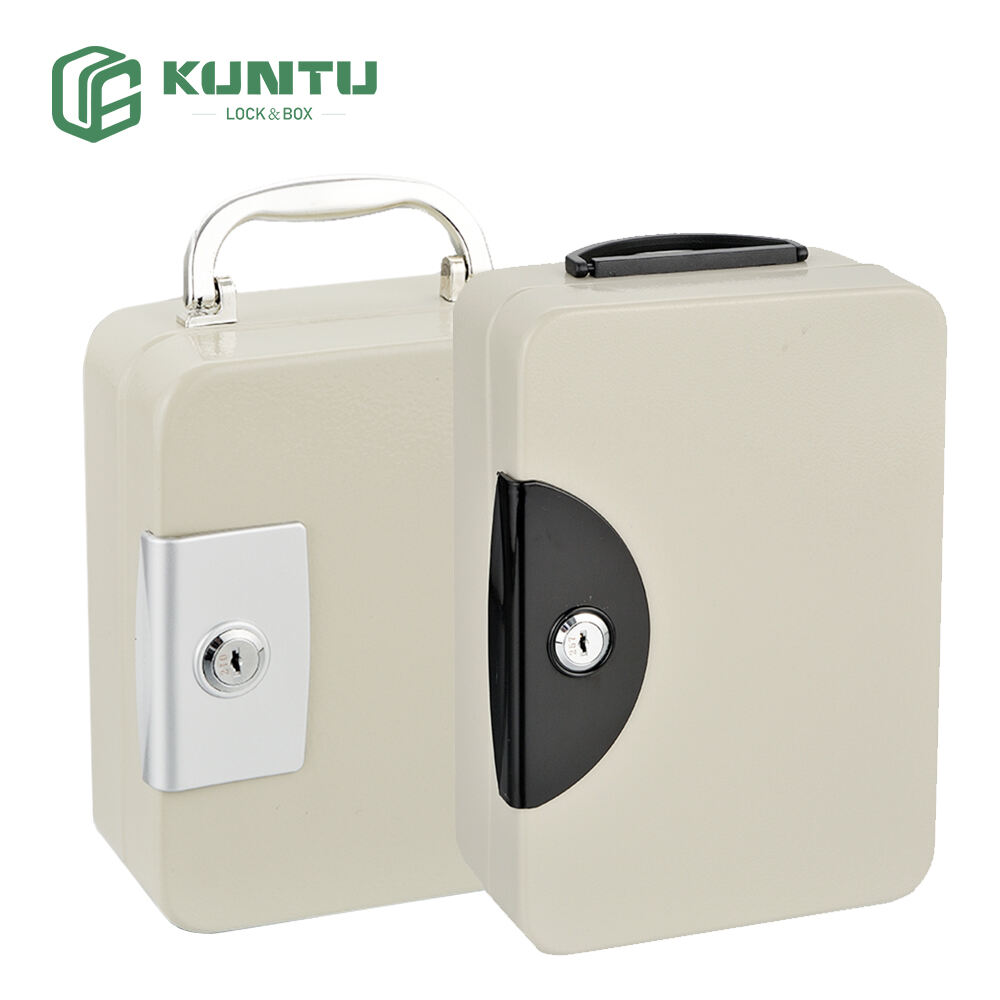
The property management industry is undergoing a digital transformation, driven by tenant demands for seamless, contactless experiences and operators’ goals to cut costs and streamline workflows. Traditional key handover processes—marked by rigid in-person appointments, manual documentation, and 24/7 staff monitoring—have long been a bottleneck, draining resources and frustrating both tenants and property managers. A password-protected key safe lock box has emerged as a pivotal tool in this shift, revolutionizing key exchange, eliminating the need for constant staff presence, and delivering measurable efficiency gains. This article explores how integrating a key safe lock box into contactless check-in/check-out workflows can boost property management efficiency by up to 30%, backed by real-world use cases and data.
At the heart of property management inefficiency lies the outdated key handover process. For residential rentals, co-ops, or serviced apartments, tenants often face long waits for staff availability to collect or return keys, especially during after-hours or weekends. Property managers, meanwhile, allocate significant labor hours to scheduling appointments, conducting in-person key exchanges, and documenting each transaction—tasks that offer little added value. A password key safe lock box simplifies this entirely by centralizing secure key storage and enabling self-service access. Tenants receive a unique, time-bound access code via email or a property management app, allowing them to retrieve keys at their convenience for check-in or deposit them securely for check-out, no staff interaction required. This eliminates the logistical headaches of coordinating schedules, reduces no-shows, and frees up staff to focus on high-priority tasks like maintenance, tenant relations, and property upgrades.
The reduction in manual monitoring and administrative work directly translates to substantial efficiency gains, with many property management firms reporting a 20-30% improvement in operational productivity after adopting key safe lock boxes. A case study from a mid-sized property management company overseeing 500+ residential units in Chicago illustrates this impact: prior to implementing password key safe lock boxes, the firm allocated 8 full-time staff to handle key handovers, tenant check-ins, and related administrative tasks. After deploying lock boxes across all properties, the team was reduced to 5 staff, with the remaining members reallocated to proactive maintenance and tenant support. The company also recorded a 28% drop in tenant complaints related to key handover delays and a 32% reduction in time spent on administrative documentation for key exchanges. This translated to an annual cost savings of over $120,000 in labor expenses alone.
Beyond labor savings, key safe lock boxes enhance accuracy and accountability, further boosting efficiency. Traditional key management relies on manual logs, which are prone to errors, lost records, or misplacement of keys—issues that can lead to costly delays, security risks, and disputes with tenants. Password key safe lock boxes automatically log every access event, including the user’s identity, timestamp, and key accessed, creating an immutable digital audit trail. This eliminates the need for manual logging and provides property managers with real-time visibility into key movements. For example, a property management firm in Austin, Texas, reduced key-related disputes by 45% after implementing smart key safe lock boxes, as the digital logs resolved ambiguities about when keys were collected or returned. The firm also cut the time spent investigating lost or misplaced keys by 60%, as staff could quickly trace key access history through the lock box’s cloud-based dashboard.
Contactless check-in/check-out powered by key safe lock boxes also elevates the tenant experience, which in turn reduces turnover and improves operational efficiency. Modern tenants—particularly millennials and Gen Z—prioritize flexibility and autonomy, and 78% of tenants surveyed in a 2025 industry report stated they would prefer a contactless move-in/move-out process over traditional in-person interactions. By offering self-service key access via password lock boxes, property managers meet this demand, leading to higher tenant satisfaction scores and longer lease terms. A luxury apartment complex in Los Angeles reported a 15% increase in lease renewals after adopting key safe lock boxes, as tenants valued the convenience of 24/7 key access. Reduced turnover means fewer vacant units, lower marketing costs to attract new tenants, and more consistent rental income—all of which contribute to a more efficient and profitable operation.
To maximize efficiency gains, property managers should select key safe lock boxes that align with their digital workflows and scalability needs. Opt for password-protected models with remote management capabilities, allowing staff to generate, revoke, or update access codes from a centralized dashboard—critical for managing multiple properties or large tenant portfolios. Integration with existing property management software (PMS) is also essential, as it enables automatic syncing of tenant data, lease dates, and access permissions. For example, when a new tenant signs a lease, the PMS can automatically generate a unique access code for the key safe lock box, set to activate on the move-in date and expire on the move-out date—eliminating manual code creation and reducing the risk of human error. Weather-resistant and tamper-proof designs are also non-negotiable, ensuring the lock box withstands outdoor placement and deters unauthorized access.
In conclusion, the password key safe lock box is a transformative tool for property managers seeking to enhance tenant experiences and drive measurable efficiency gains. By simplifying key handover processes, reducing manual monitoring, and providing actionable data through digital logs, it enables property management firms to boost operational efficiency by up to 30%. The real-world cases demonstrate that this technology not only cuts labor costs but also improves tenant satisfaction, reduces disputes, and streamlines administrative workflows. As the property management industry continues to digitize, integrating a key safe lock box into contactless check-in/check-out processes is no longer an option but a strategic necessity to stay competitive and profitable in a rapidly evolving market.