
 EN
EN
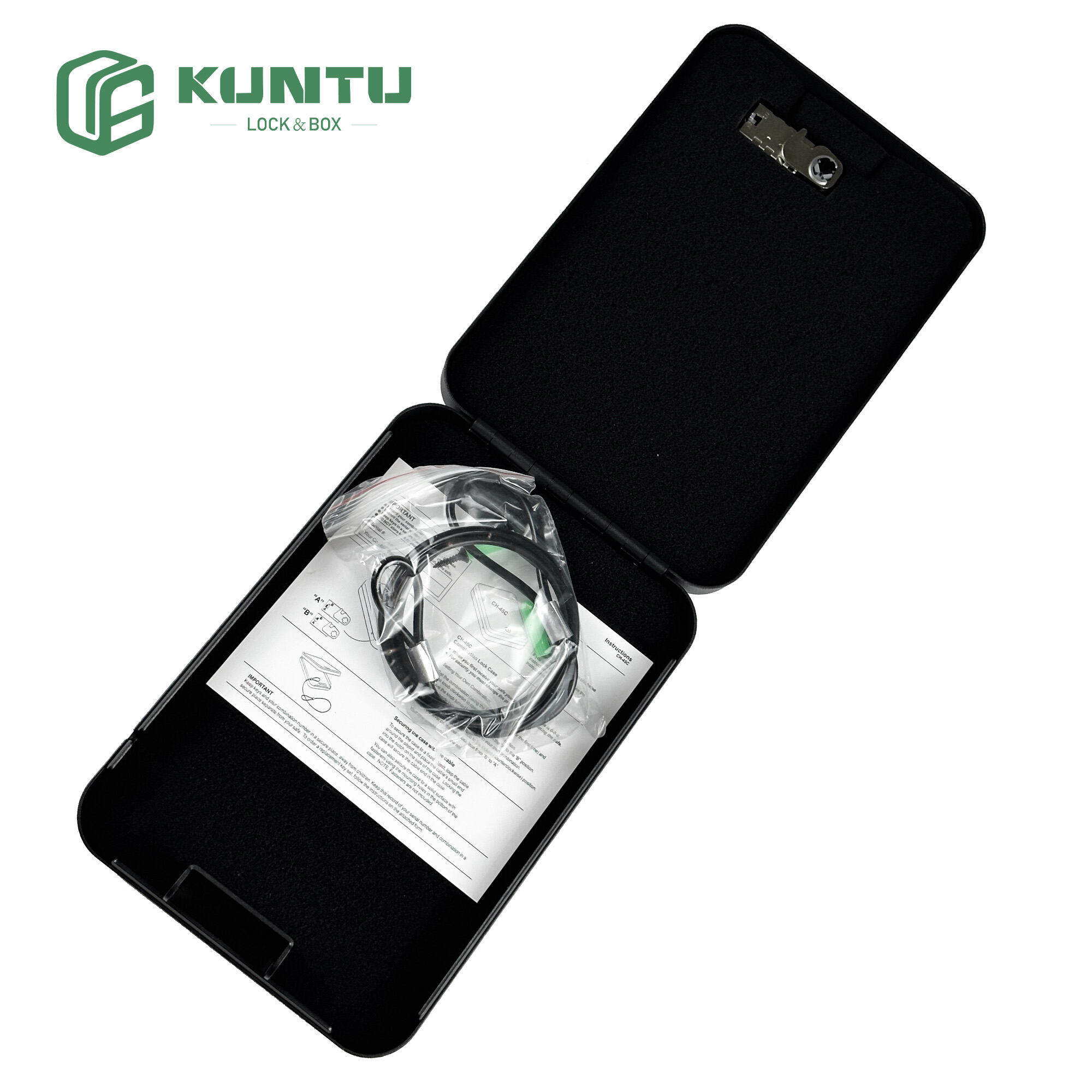
For millions of commuters, leaving personal items in the car while at work is a daily routine. Laptops, tablets, wallets, and work documents are often stowed in the glove compartment, center console, or under seats—with the false belief that they’re out of sight and safe. Yet this habit turns vehicles into prime targets for "smash-and-grab" thefts. Thieves can break a car window in seconds, rummage through easily accessible storage spots, and flee with valuables before anyone notices. The glove compartment, in particular, is a well-known target, offering little to no protection against forced entry. The solution to this commuter nightmare is a hidden, fixed personal safe—designed to be concealed in vehicle blind spots like under seats or trunk compartments, and secured to the car’s frame. This article explains why a personal safe is the ultimate defense against smash-and-grab theft, keeping your valuables secure while you’re at the office.
Why Glove Compartments and Basic Storage Fail Commuters
Glove compartments, center consoles, and under-seat storage pockets are designed for convenience, not security—and they’re no match for determined thieves. Smash-and-grab criminals target these spots specifically because they’re easy to access: a single blow to the window, a quick reach into the glove compartment, and the thief is gone in under 30 seconds. Even if you tuck items under a seat or in a bag, thieves trained to spot telltale signs (like a bag’s strap peeking out) will still find them.
The structural flaws of these storage spots make them ineffective. Glove compartments have flimsy locks that can be pried open with a screwdriver or even a credit card, while center consoles offer minimal resistance to brute force. A 2025 urban security report found that 75% of vehicle break-ins target these easily accessible areas, with laptops and tablets being the most commonly stolen items. For commuters who rely on these devices for work, the loss is not just financial—it can disrupt deadlines, expose sensitive data, and cause lasting stress. The glove compartment’s false sense of security puts commuters at risk every day.
The Hidden Personal Safe: A Game-Changer for Commuter Vehicle Security
A hidden personal safe addresses the flaws of basic vehicle storage by combining three critical elements: concealment, structural security, and fixed anchoring. Unlike the glove compartment, which is a known target, a personal safe is designed to blend into the car’s interior, hidden from the thief’s view. When installed in blind spots like under the driver’s seat, in the trunk’s spare tire well, or in a custom trunk compartment, it’s nearly invisible to anyone peering into the car.
Beyond concealment, a high-quality automotive personal safe is built to resist forced entry. Constructed from thick steel with anti-pry edges and secure locking mechanisms (combination, keyed, or biometric), it can withstand drilling, prying, and hammer blows—something the flimsy glove compartment can never do. Most importantly, the safe is permanently or semi-permanently fixed to the car’s frame, using bolts or heavy-duty brackets. This means thieves can’t simply grab the safe and run; they’d need specialized tools to remove it, a time-consuming process that increases the risk of being caught. This combination of features makes a personal safe 100 times more secure than a glove compartment.
Ideal Installation Spots for Commuter Vehicle Personal Safes
1. Under the Seat: Discreet and Accessible
Under-seat installation is the most popular choice for commuters, as it balances concealment and convenience. Most compact personal safes are designed to fit snugly under the driver’s or passenger’s seat, hidden from view by the seat cushion. The safe is bolted to the car’s floor pan using pre-drilled holes and included hardware—no permanent damage to the vehicle, and the installation can be reversed if needed. This spot is ideal for daily use: you can quickly store your laptop or tablet before heading into the office, and retrieve it easily after work, without drawing attention.
Look for slim-profile personal safes (no more than 3 inches tall) to fit under most car seats without interfering with legroom or seat adjustment. Some models feature a low-profile design that hugs the floor, making them even harder to detect.
2. Trunk Compartments: For Larger Valuables
For commuters who carry larger items like laptops with docking stations, tablets, or work bags, trunk installation is a better option. The safe can be mounted in the trunk’s spare tire well (covered by the trunk mat) or in a custom-built compartment, completely hidden from view. Securing it to the trunk’s metal frame ensures maximum stability, and the added distance from the car’s windows means thieves are even less likely to target it.
Trunk-mounted personal safes are also ideal for commuters who don’t want to access the safe frequently—simply store your valuables in the safe before leaving home, and retrieve them when you get back. This spot is particularly effective for deterring thieves, as they rarely check the spare tire well or hidden trunk compartments during a quick smash-and-grab.
3. Center Console Replacement: Integrated Security
For a seamless look, some commuters opt for a personal safe that replaces the factory center console. These custom safes match the car’s interior design, blending in perfectly while offering enhanced security. They’re bolted to the car’s frame and feature a secure lock, turning a vulnerable storage spot into a fortified safe. This option is ideal for commuters who want both convenience and security, as the safe is easily accessible from the driver’s seat.
Key Features to Look for in a Commuter Vehicle Personal Safe
Not all automotive personal safes are created equal—choose one with these essential features for commuter use:
-
Fixed Anchoring Hardware: Ensure the safe comes with bolts, brackets, or steel cables to secure it to the car’s frame, floor pan, or trunk. Avoid safes that rely on gravity alone, as they can be easily removed.
-
Durable Steel Construction: Opt for a safe with a steel body (at least 1.5mm thick) and anti-pry edges to resist forced entry. A scratch-resistant finish will help it blend into the car’s interior.
-
Reliable Locking Mechanism: Combination locks are ideal (no keys to lose), while biometric locks offer quick access with a fingerprint. Avoid basic key locks, which are easier to pick.
-
Size and Fit: Measure the installation spot (under seat, trunk) before purchasing to ensure a proper fit. For under-seat use, choose a slim model (height ≤ 3 inches) that doesn’t block seat movement.
-
Weather Resistance: A water-resistant seal protects valuables from moisture (e.g., from wet umbrellas) and prevents rust from forming on the safe’s interior.
Tips for Maximizing Personal Safe Effectiveness for Commuters
-
Conceal the Safe Completely: Use the car’s existing features (seat cushions, trunk mats) to hide the safe. Avoid leaving any signs of the safe’s presence, like exposed bolts or brackets.
-
Don’t Advertise Valuables: Even with a safe, avoid leaving visible clues (like laptop chargers or phone cables) on the dashboard or seats—these can still attract thieves to break your window.
-
Test Access Regularly: Practice opening and closing the safe to ensure you’re familiar with the lock, and check the anchoring hardware periodically to make sure it’s secure.
-
Choose a Discreet Lock: Opt for a lock that doesn’t draw attention—avoid bright or oversized locks that might hint at the safe’s location.
-
Keep Sensitive Data Secure: While the safe protects the physical device, encrypt your laptop or tablet to safeguard data in case of theft (though the safe makes this scenario highly unlikely).
Conclusion: The Personal Safe—Your Commute’s Security Essential
For commuters, the glove compartment is a security illusion that puts valuables at risk of smash-and-grab theft. A hidden, fixed personal safe eliminates this blind spot, offering 100 times the security by combining concealment, structural strength, and anchoring. Whether installed under the seat, in the trunk, or as a center console replacement, it keeps your laptop, tablet, and work documents safe while you’re at the office. Investing in a personal safe is a small price to pay for the peace of mind it provides—knowing your valuables are protected every time you leave your car. For any commuter looking to secure their vehicle, a personal safe is not just an accessory—it’s a necessity.
Table of Contents
- Why Glove Compartments and Basic Storage Fail Commuters
- The Hidden Personal Safe: A Game-Changer for Commuter Vehicle Security
- Ideal Installation Spots for Commuter Vehicle Personal Safes
- Key Features to Look for in a Commuter Vehicle Personal Safe
- Tips for Maximizing Personal Safe Effectiveness for Commuters
- Conclusion: The Personal Safe—Your Commute’s Security Essential