
 EN
EN
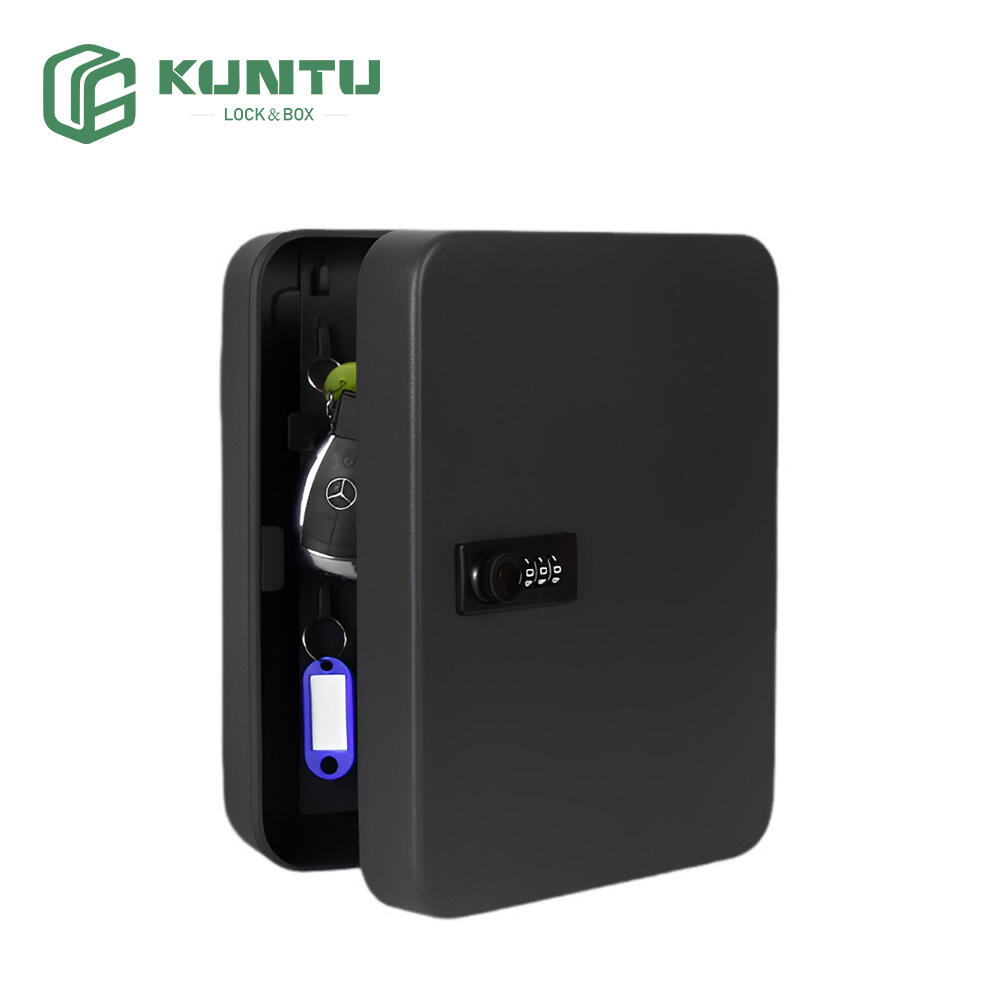
The post-pandemic era has reshaped the hospitality industry’s operational landscape, with contactless service evolving from a temporary convenience to a permanent expectation. Travelers now prioritize safety, flexibility, and autonomy more than ever, while hoteliers grapple with rising labor costs and the need to optimize staffing efficiency. In this context, the smart key safe lock box has emerged as a transformative tool, enabling hotels to transcend traditional front desk limitations and deliver seamless 24/7 self-check-in experiences that align with modern traveler demands.
Contactless service has become a non-negotiable standard for hotels aiming to stay competitive. Post-pandemic travelers remain cautious about unnecessary human interactions, seeking ways to navigate their stay—from check-in to check-out—with minimal contact. A smart key safe lock box addresses this need by eliminating the requirement for in-person front desk interactions. Guests receive a unique access code or digital key via SMS, email, or a hotel mobile app, allowing them to retrieve their room key from the secure lock box at any hour. This not only reduces the risk of virus transmission but also caters to the growing segment of travelers who value privacy and self-sufficiency, such as business travelers with irregular schedules, solo adventurers, and families seeking flexibility.
For hoteliers, the adoption of smart key safe lock boxes translates to significant labor cost savings and operational efficiency gains. Traditional front desk operations require round-the-clock staffing, which accounts for a substantial portion of a hotel’s operational budget. By implementing self-check-in via key safe lock boxes, hotels can reduce front desk staffing levels—especially during off-peak hours like late nights and early mornings—without compromising service quality. Staff can be reassigned to high-value tasks such as room maintenance, guest support, and personalized services that enhance the overall stay experience, rather than spending hours on routine check-in procedures. Moreover, the automation of check-in processes minimizes human error, reducing issues like misplaced keys or incorrect room assignments, which further streamlines operations and reduces guest complaints.
The appeal of smart key safe lock boxes extends beyond operational efficiency to attracting a key demographic: travelers who prefer to manage their own itinerary. Modern travelers, particularly millennials and Gen Z, are digital natives who are comfortable with self-service technologies. They value the ability to check in at their convenience, without being constrained by front desk hours. Whether arriving late after a delayed flight or early to drop off luggage before their room is ready, guests can access the key safe lock box independently, giving them greater control over their travel schedule. Hotels that offer this flexibility gain a competitive edge, as these travelers are more likely to choose accommodations that align with their autonomous lifestyle over those with rigid check-in procedures.
Not all key safe lock boxes are created equal, and hotels must select solutions that prioritize security, usability, and integration. High-quality smart key safe lock boxes feature robust encryption technology to protect access codes, tamper-proof designs to prevent unauthorized entry, and remote management capabilities. Hoteliers can monitor and control the lock boxes via a cloud-based platform, generating one-time access codes, revoking access remotely if needed, and tracking usage data to gain insights into guest arrival patterns. Integration with existing hotel management systems (PMS) is also crucial, as it ensures seamless synchronization of guest information, room status, and access permissions, eliminating the need for manual data entry and reducing administrative burdens.
The long-term benefits of adopting smart key safe lock boxes extend beyond cost savings and contactless service. By embracing this technology, hotels position themselves as innovative and guest-centric, adapting to evolving traveler expectations. This adaptability is particularly valuable in a dynamic hospitality market, where consumer preferences are constantly shifting. Additionally, the data collected from smart lock boxes can help hotels optimize their operations further—for example, adjusting staffing levels based on peak arrival times or refining their self-service offerings to meet guest needs.
In conclusion, the post-pandemic hospitality industry demands solutions that balance guest safety, autonomy, and operational efficiency. The smart key safe lock box is more than just a storage device; it is a strategic investment that empowers hotels to move beyond the constraints of traditional front desk operations. By offering 24/7 self-check-in, hotels can attract modern travelers, reduce labor costs, and enhance the overall guest experience—all while staying ahead of the curve in an increasingly competitive market. As contactless service and traveler autonomy continue to define the future of hospitality, the smart key safe lock box will remain a cornerstone of innovative hotel operations.