
 EN
EN
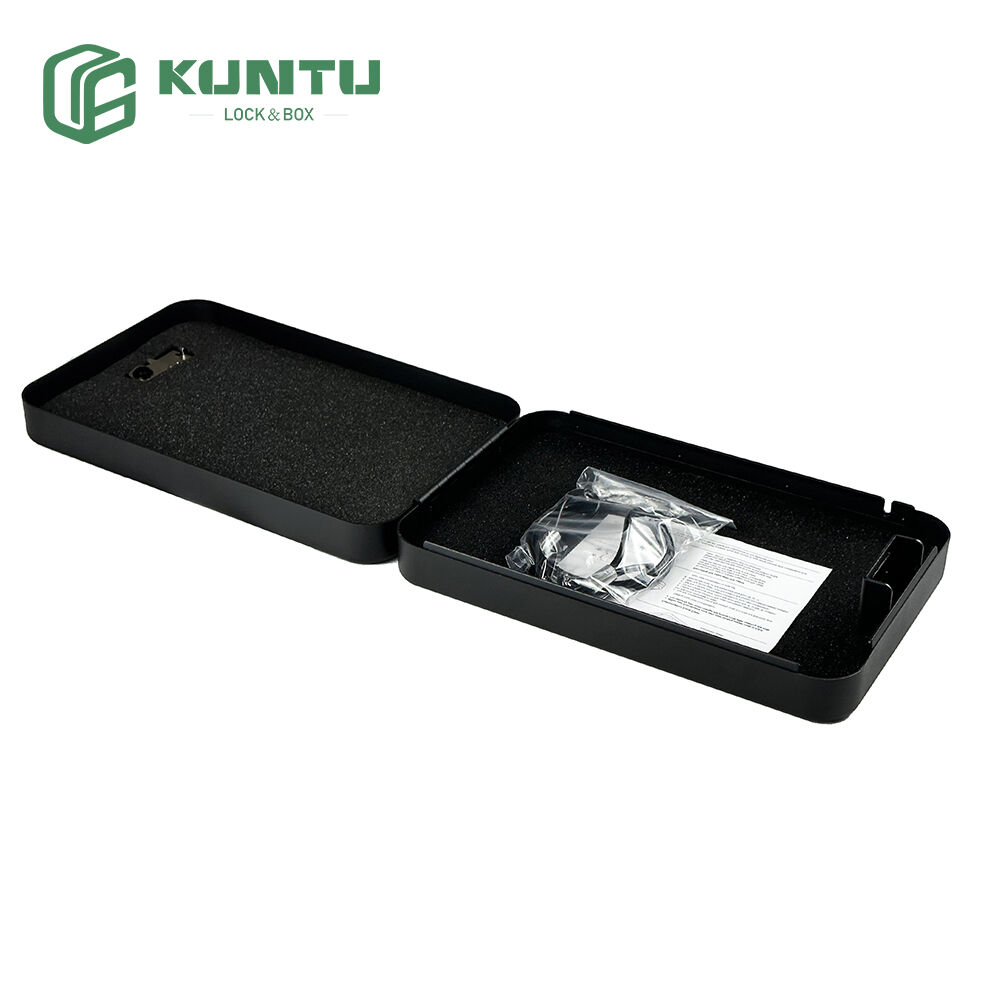
For home defense enthusiasts and responsible gun owners, the gun safe box is more than just a storage unit—it is a critical line of defense that bridges two seemingly conflicting needs: rapid access in life-threatening emergencies and absolute security to prevent unauthorized use, theft, or accidental access by children or others. In the realm of home defense, every second counts; yet compromising security for speed can lead to catastrophic consequences. This article delves into the core tension between these two priorities, comparing four mainstream opening technologies—biometrics, mechanical dials, RFID, and keypad codes—through the lenses of emergency speed, reliability, and potential failure rates. By unpacking key test metrics and real-world performance, we aim to provide a definitive buying guide that addresses the most pressing anxieties of home defense users.
The Core Conflict: Speed vs. Security in Home Defense Gun Storage
Home defense scenarios are defined by unpredictability and urgency. A break-in, intrusion, or violent incident typically unfolds in seconds, requiring the gun owner to retrieve their firearm quickly and confidently. However, the same speed that saves lives can become a liability if the safe’s access mechanism is vulnerable to bypassing, malfunctions, or exploitation. Conversely, an overly secure safe with cumbersome access protocols may render the firearm useless when every moment matters. The ideal gun safe box strikes a delicate balance: it opens instantly for authorized users under stress, while remaining impenetrable to unauthorized individuals and resilient against mechanical or electronic failures. To evaluate this balance, we focus on three critical performance indicators across all access technologies: access speed under duress, long-term reliability, and failure mode risks.
Comparative Analysis of Opening Technologies: Speed, Reliability, and Failure Rates
1. Biometric (Fingerprint) Access: Speed with Biometric Precision
Biometric access, primarily fingerprint recognition, has emerged as a popular choice for quick-access gun safes, marketed for its "one-touch" opening capability. In controlled tests, top-tier biometric safes can recognize and authenticate a registered fingerprint in 0.5 to 1.5 seconds, allowing for near-instant access—ideal for high-stress situations where fine motor skills may be compromised. The technology’s strength lies in its uniqueness: fingerprints are impossible to duplicate casually, eliminating risks from lost keys, guessed codes, or stolen RFID tags.
However, reliability varies drastically by manufacturer and sensor quality. Low-cost biometric sensors often struggle with wet, sweaty, or damaged fingerprints—common conditions in emergency scenarios (e.g., adrenaline-induced sweating, accidental cuts). In independent tests, budget biometric safes showed failure rates of 15-20% under simulated stress conditions, while premium sensors (using multi-point recognition or thermal imaging) reduced failure rates to 2-3%. Long-term reliability is another concern: sensor lenses can accumulate dust, oil, or debris over time, degrading performance. Additionally, biometric systems rely on internal batteries; a dead battery mid-emergency is a critical failure, though most models include a backup key or keypad as a safeguard.
2. Mechanical Dial Locks: Time-Tested Security with Speed Tradeoffs
Mechanical dial locks are the traditional standard for gun safes, prized for their exceptional durability and resistance to electronic hacking or power failures. These locks operate via a rotating dial that aligns internal tumblers, requiring the user to input a pre-set combination (typically 3-4 numbers). Unlike electronic systems, mechanical locks have no batteries, no sensors, and no digital vulnerabilities—making them nearly impervious to technical failures.
The primary drawback is speed. Even experienced users require 5-10 seconds to dial the combination accurately, and stress-induced trembling can extend this time significantly. In emergency simulations, users with minimal practice often took 15+ seconds or failed to dial correctly altogether. Mechanical locks also have a steeper learning curve; consistent muscle memory is required to operate them efficiently under pressure. Failure rates are extremely low (less than 1% over a 10-year lifespan) but are typically due to user error rather than mechanical breakdown.
3. RFID Access: Convenience and Speed with Vulnerability Risks
RFID (Radio Frequency Identification) technology uses a small fob, card, or even a wearable device (e.g., a wristband) to trigger the safe’s lock. Most RFID gun safes open within 1-2 seconds of detecting the authorized device, offering similar speed to biometrics with less reliance on fingerprint quality. The hands-free or minimal-contact operation is advantageous for users with limited dexterity or in situations where quick movement is essential.
Reliability is contingent on the RFID frequency and signal strength. Low-frequency RFID systems (125 kHz) are prone to interference from metal objects or electronic devices, leading to occasional misreads (failure rates of 5-8% in cluttered environments). High-frequency systems (13.56 MHz) are more stable but come at a higher cost. A major security vulnerability is the risk of RFID cloning: inexpensive cloning devices can duplicate low-security RFID fobs, bypassing the lock entirely. Additionally, lost or stolen fobs pose an immediate threat if not deactivated promptly. Like biometric systems, RFID safes depend on batteries, though most include backup access options.
4. Keypad (PIN Code) Access: Versatility with User Error Risks
Keypad locks, which require entering a 4-6 digit PIN code, are a versatile middle ground between speed and security. Skilled users can enter a code in 2-4 seconds, and the technology is familiar to most people, reducing the learning curve. Keypads are available in both digital (backlit for low-light use) and physical (tactile buttons) designs, catering to different user preferences. They are also less expensive than biometric or high-end RFID systems, making them a budget-friendly option.
The main reliability issue is user error. Under stress, users may mistype the code, especially with small or poorly lit keypads—leading to lockouts (most systems lock after 3-5 incorrect attempts). Physical keypads can suffer from button wear over time, making keys less responsive, while digital keypads are susceptible to screen glare or battery depletion. Failure rates range from 3-7%, with the majority stemming from user error or battery failure. Security risks include shoulder surfing (someone watching to learn the code) and code guessing, though longer PINs (6+ digits) mitigate this risk.
Buying Guide: Choosing the Right Gun Safe Box for Home Defense
When selecting an electronic quick-access gun safe box, prioritize your unique needs by evaluating the following factors:
-
User Proficiency and Stress Tolerance: If you struggle with fine motor skills or anticipate high stress in emergencies, biometric or RFID systems may be preferable—provided you invest in premium models to minimize failure rates. For users who can commit to practicing a combination, mechanical dials offer unmatched security.
-
Household Dynamics: Homes with children or unauthorized individuals require maximum security. Biometric or mechanical locks are harder to bypass than RFID or keypad locks. Ensure the safe has tamper alerts or lockout features for added protection.
-
Environment and Use Case: For low-light environments (e.g., bedrooms), backlit keypads or biometric sensors with night vision are essential. If you need to access the safe while carrying other items, RFID wearables offer hands-free convenience.
-
Backup Access: Always choose a safe with multiple backup access methods (e.g., backup key, secondary keypad) to mitigate the risk of primary system failure (battery death, sensor malfunction).
-
Build Quality: The access mechanism is only as reliable as the safe’s construction. Look for thick steel walls, anti-pry hinges, and certified resistance to drilling or forced entry.
Conclusion: Mastering the Balance
The choice of electronic quick-access gun safe box ultimately hinges on balancing your need for speed in emergencies with the security required to protect your household. There is no one-size-fits-all solution: premium biometric safes offer the best speed and security for most users, but only if maintained properly; mechanical dials are ideal for those prioritizing long-term reliability over instant access; RFID systems suit users seeking convenience; and keypads provide a cost-effective middle ground.
Regardless of the technology, regular practice is critical. Familiarizing yourself with the safe’s operation under stress (e.g., simulating low-light conditions or time pressure) will reduce user error and ensure you can access your firearm when it matters most. By prioritizing performance metrics like failure rates, reliability, and ease of use, you can select a gun safe box that resolves the core conflict between rapid access and absolute security—turning a storage device into a trusted component of your home defense strategy.