
 EN
EN
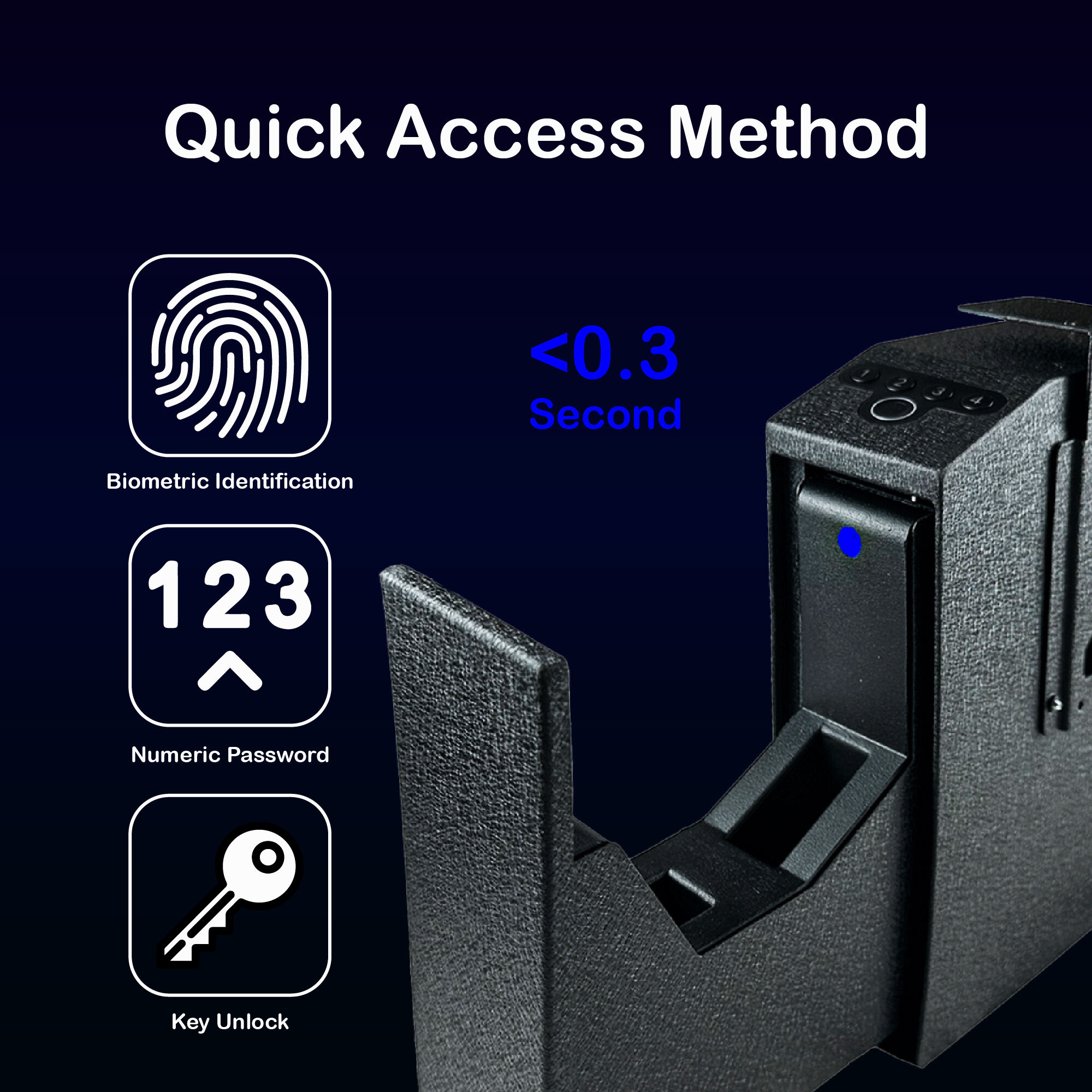
Every year, countless avoidable tragedies involving firearms and young people occur due to improper storage—accidental discharges, unauthorized access, and misuse that shatter families and communities. For gun shops, shooting clubs, and industry stakeholders, addressing this crisis is not just a moral obligation but a pivotal opportunity to build a responsible brand image rooted in social responsibility. Beyond selling firearms and accessories like a gun safe box, proactive engagement with communities and schools to promote safe storage practices can foster trust, enhance brand reputation, and strengthen channel partnerships. This article outlines actionable strategies for gun-related businesses to integrate public welfare initiatives with product advocacy, turning social responsibility into a competitive advantage while safeguarding youth.
The Imperative of Social Responsibility: From Business to Community Stewardship
The firearms industry often faces public scrutiny, with concerns about gun violence and youth safety at the forefront of public discourse. Gun shops and clubs, as frontline representatives of the industry, have a unique role to play in reshaping narratives by prioritizing safety and community well-being. Promoting safe storage is not only a way to prevent tragedies but also to demonstrate that responsible gun ownership is a core value of the business. A trusted gun safe box is the first line of defense against unauthorized youth access, but its impact is amplified when paired with education and community collaboration. By positioning the business as a steward of safety rather than just a retailer, brands can cultivate long-term loyalty among customers who share these values and earn the respect of local communities, schools, and civic organizations.
Collaboration Strategies: Partnering with Communities and Schools for Safe Storage Advocacy
1. Community Safety Workshops: Education as the Foundation
Hosting or sponsoring community workshops is an effective way to disseminate safe storage knowledge while engaging directly with gun owners and families. Partner with local law enforcement agencies, youth advocacy groups, and mental health professionals to create comprehensive sessions that cover topics such as: the risks of improper firearm storage, legal obligations for gun owners, and the features to look for in a reliable gun safe box. Workshops can include hands-on demonstrations of different safe models, highlighting how quick-access yet secure options balance home defense needs with youth safety. For example, showcase biometric and RFID-enabled gun safe boxes that allow authorized users rapid access while preventing children from opening them. Offer discounts on selected safe models to workshop attendees, turning education into a tangible opportunity to promote responsible storage products.
To maximize reach, collaborate with community centers, places of worship, and neighborhood associations to promote workshops. Consider hosting specialized sessions for parents, first-time gun owners, and seniors—tailoring content to address their unique concerns. By making these workshops free and open to the public, businesses signal a commitment to community safety over immediate sales, building goodwill that translates into brand loyalty.
2. School Partnerships: Cultivating Safety Awareness Early
Engaging with schools is critical to preventing youth firearm tragedies, as it allows businesses to educate young people and their families before risks emerge. Partner with local school districts to develop age-appropriate safety programs—focused on "stop, don’t touch, tell an adult" messaging for younger students and more in-depth discussions on responsible gun ownership for teens. Avoid promoting firearms in school settings; instead, frame the initiative around general safety and the role of secure storage in protecting families.
One impactful program is a "Safe Storage Campaign" where the business donates gun safe boxes to families in need or offers subsidized prices through the school. Work with school administrators to identify families who own firearms and may benefit from affordable safe options. Additionally, sponsor school safety assemblies or parent-teacher association (PTA) events, where representatives from the business can share resources and information about trusted gun safe box brands. These partnerships not only promote safety but also position the business as a reliable community partner, strengthening relationships with local educators and parents.
3. Collaborative Campaigns with Civic Organizations
Teaming up with national and local civic organizations—such as the National Shooting Sports Foundation (NSSF), local crime prevention groups, or youth outreach programs—can amplify the impact of safe storage initiatives. Join existing campaigns like the NSSF’s "Project ChildSafe," which provides free gun locks and safety education materials, and supplement these efforts with your own gun safe box recommendations. Co-brand marketing materials, social media campaigns, and public service announcements (PSAs) to promote both the campaign and your business’s commitment to safety.
For example, launch a joint "Safe Home, Safe Community" campaign where a portion of sales from selected gun safe boxes is donated to a local youth safety organization. Promote the campaign through social media, in-store signage, and partner organization channels, highlighting how every purchase contributes to a worthy cause. This approach not only drives sales of safe storage products but also aligns the brand with a larger mission, enhancing its reputation as a socially responsible business.
Product Recommendation: Integrating Trusted Gun Safe Boxes into Public Welfare Initiatives
When recommending gun safe boxes as part of social responsibility initiatives, focus on trust, reliability, and functionality—key factors for families prioritizing youth safety. Avoid aggressive sales tactics; instead, position products as essential tools for responsible gun ownership. Highlight the following features when showcasing or donating safes:
-
Secure Locking Mechanisms: Prioritize safes with biometric, RFID, or keypad locks that prevent unauthorized access, even by curious children. Mechanical dial locks are also a reliable option for those who prefer traditional security.
-
Durability: Recommend safes made from heavy-gauge steel with anti-pry hinges, ensuring they can withstand forced entry attempts.
-
Size and Accessibility: Offer a range of sizes to fit different firearms (handguns, long guns) and living spaces. Quick-access models are ideal for home defense while maintaining security.
-
Certifications: Choose safes certified by reputable organizations (e.g., Underwriters Laboratories, UL) for quality and safety.
When donating or subsidizing safes, select models that balance affordability with quality—avoiding low-cost, unreliable options that could undermine the initiative’s purpose. For example, partner with trusted gun safe box manufacturers to secure bulk discounts, allowing the business to pass savings on to community members or donate more units.
Measuring Impact: From Brand Equity to Community Safety
To ensure social responsibility initiatives deliver value for both the community and the business, track key metrics such as workshop attendance, number of safes donated/sold through programs, social media engagement, and feedback from community partners. Positive media coverage, testimonials from parents and educators, and increased customer loyalty are tangible benefits that contribute to long-term brand equity.
Beyond these metrics, the ultimate impact is measured in reduced youth firearm tragedies and stronger community relationships. By integrating safe storage education with trusted gun safe box recommendations, gun shops and clubs can turn social responsibility into a win-win: protecting young lives while building a brand that stands for integrity and safety.
Conclusion: Leading the Way in Responsible Gun Ownership
Preventing youth firearm tragedies is a collective responsibility—one that gun-related businesses can no longer afford to overlook. By collaborating with communities and schools to promote safe storage, and integrating trusted gun safe box products into public welfare initiatives, businesses can redefine their role as community leaders. This approach not only enhances brand reputation and strengthens channel partnerships but also advances a critical mission: keeping young people safe. In an industry often divided by debate, social responsibility becomes a unifying force—connecting businesses, customers, and communities around a shared commitment to responsible gun ownership.
Table of Contents
- The Imperative of Social Responsibility: From Business to Community Stewardship
- Collaboration Strategies: Partnering with Communities and Schools for Safe Storage Advocacy
- Product Recommendation: Integrating Trusted Gun Safe Boxes into Public Welfare Initiatives
- Measuring Impact: From Brand Equity to Community Safety
- Conclusion: Leading the Way in Responsible Gun Ownership