
 EN
EN
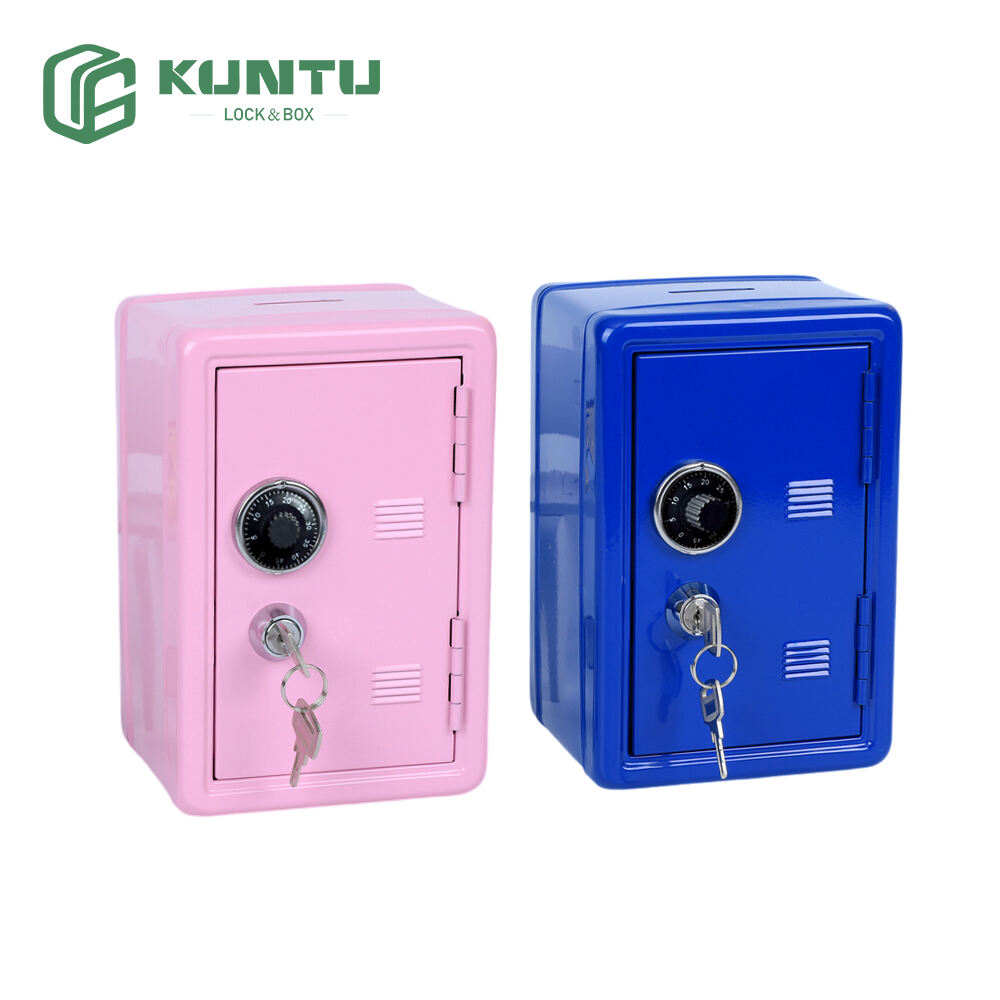
How Combination Locks Work in a Safe Box
Mechanical Locks: Wheel Packs, Dialing Sequences, and Gate Alignment
Mechanical combination locks keep safe boxes secure by lining up their inner parts just right. When someone turns the dial, it moves a spindle attached to what's called a drive cam plus three separate notched wheels - each wheel represents one number in the combination code. Getting the proper left then right then left sequence gets those wheels lined up vertically so a metal fence can slide down into place and pull back the actual locking mechanism. Get even one number wrong and nothing happens at all. These locks are made completely out of toughened steel without any electronic parts inside. That means they don't care about power failures or those EMP bursts we hear so much about nowadays. They also stand up pretty well against attempts to drill through them or mess with their mechanics, plus they handle whatever weather conditions might throw their way without failing.
Electronic Locks: Keypads, Encryption, and Power-Managed Circuitry
Modern electronic safe locks have moved beyond traditional dial mechanisms, now featuring encrypted keypads controlled by microprocessors instead. When someone enters their PIN code, it gets locked away securely using strong AES-256 encryption before being checked against what's stored inside the lock. The internal circuits are designed to save power, which means batteries can last anywhere from 2 to 5 years thanks to smart sleep functions that kick in when nobody is trying to access the safe. Security-wise, these devices come packed with protections. They'll automatically lock themselves again if anyone tries to tamper with them. Some models even randomize how the keypad responds and looks each time to stop would-be scanners from stealing codes. There's also protection against those tricky power injection attacks through proper voltage management. Higher end versions keep track of who accessed the safe and when, creating detailed logs for audits later on. While changing combinations remains quick and easy, users should remember to check batteries regularly since most systems will only warn about low power a few months before they actually give out completely.
Security Features That Make a Safe Box Tamper-Resistant
Boltwork Design, Re-locking Triggers, and Manipulation Countermeasures
Top security safes rely on multi point locking systems usually featuring about four heavy duty steel bolts that extend into the frame at various points along the door including top, bottom and both sides. These bolts spread out any force applied when someone tries to pry open the safe, making it much harder to break through. The design can handle well over 12 thousand pounds of pressure which is roughly equivalent to what happens during a slow moving car collision. There's also built in safety features called re locking triggers that kick in automatically whenever the main locks get damaged somehow. When this happens, backup systems like heat sensitive detectors or glass panels that trigger more bolts come into play almost instantly, locking everything down so tightly that only professional technicians can reset them later. For added protection against thieves trying to crack codes or guess combinations, many high end models include trick elements such as fake numbers on dial locks and constantly changing button arrangements on digital keypads designed specifically to confuse anyone watching or attempting to figure things out through trial and error methods.
Anti-Drill Plates, Hardplate Inserts, and Lock Shielding
Top quality safes feature multiple layers of metal protection focused on weak spots such as locks and hinges. These safes come equipped with tempered steel plates rated at Rockwell C50+ or better to shield important parts from damage. The real tough stuff comes in the form of boron carbide inserts inside these safes. This material is about five times harder than regular tool steel, so when someone tries to drill through it, their drill bit just breaks apart. Some advanced models also have rotating barriers that stop drills from getting in at odd angles. And there are even versions with built-in electromagnetic sensors that go off whenever someone messes with the safe physically. When tested according to UL 687 and EN 1143-1 standards, these high security safes can hold up against continuous drilling attacks for over thirty minutes. That gives security systems plenty of time to respond before any serious breach happens.
Mechanical vs Electronic Safe Box Locks: Choosing for Reliability and Use Case
Electronic Locks: Battery Life, EMP Risks, and Firmware Updates
Electronic locks are fast and flexible but need reliable power and regular upkeep. The lithium batteries usually stick around for about a year or two. If folks forget to replace them on time or lose the backup key, they might find themselves locked out when they need access most. Lightning strikes and certain industrial machines can create EMP events that actually do damage these systems sometimes, though it's pretty uncommon. Most new models now come with built-in protection against surges and electromagnetic interference. Software updates fix security holes as they pop up, but according to what I've seen in the field, roughly 25% of people just ignore those update notices completely. That said, electronic locks still work great in places where lots of people come and go throughout the day. Convenience and being able to track who accessed what when makes them worth the hassle for businesses dealing with constant traffic.
Mechanical Locks: Manipulation Resistance, No Power Dependency, and Longevity
Mechanical dial locks don't have any issues related to power failures since they work entirely mechanically. The internal wheel pack design makes them pretty tough against both hackers trying digital attacks and anyone attempting to pick or force open the lock, particularly if manufacturers include those tricky false gates and complicated lever paths during construction. No need for batteries or electronic components means these locks keep functioning even in really hot or cold environments, after getting hit hard, or exposed to electromagnetic pulses. Top quality Grade 1 mechanical locks often last well over 30 years according to lab tests. For places needing secure storage for decades, out in remote areas where maintenance isn't easy, or situations where getting in slowly but surely matters more than quick access, mechanical dial locks remain the gold standard despite their somewhat old fashioned appearance.
User Experience and Management of Your Safe Box Combination
Changing Combinations, Override Keys, and Lost Combination Recovery Options
Getting secure long term access starts with managing those combinations right. Factory set codes like 0000 or 1234 need replacing ASAP. Check your specific model's reset process which typically involves pressing some button inside or going through an open door programming routine. Pick numbers that stick in memory but aren't easy to guess. Stay away from birth dates, home addresses, or anything with repeating digits. Many electronic safes come with backup physical keys too. Important note: keep those keys somewhere completely separate from where the safe sits. Don't put them inside! Losing a combination is no fun either. Some companies will let customers reset via verified methods, but others insist on certified lock experts who charge around 150 to 300 bucks and might even cancel warranty coverage. When it comes to keeping records, forget about scribbling things down or saving in regular files. Better bet? A good password manager that uses zero knowledge encryption for maximum security.
FAQ
Q: How do mechanical combination locks work?
A: Mechanical combination locks function by aligning internal notched wheels via a specific left-right-left dialing sequence. Misaligning any numbers prevents the locking mechanism from engaging.
Q: What powers electronic safe box locks?
A: Electronic locks are powered by batteries and feature encrypted keypads controlled by microprocessors. They employ smart power-saving circuitry to extend battery life.
Q: How can I maintain the security of my safe box?
A: Ensure combination changes promptly from factory settings, regularly check battery levels in electronic safes, and store any override keys separate from your safe's location.
Q: What happens if I lose my safe box combination?
A: Losing your combination could require a certified lock expert to reset it. This might incur costs and affect warranty status, depending on the manufacturer.