
 EN
EN
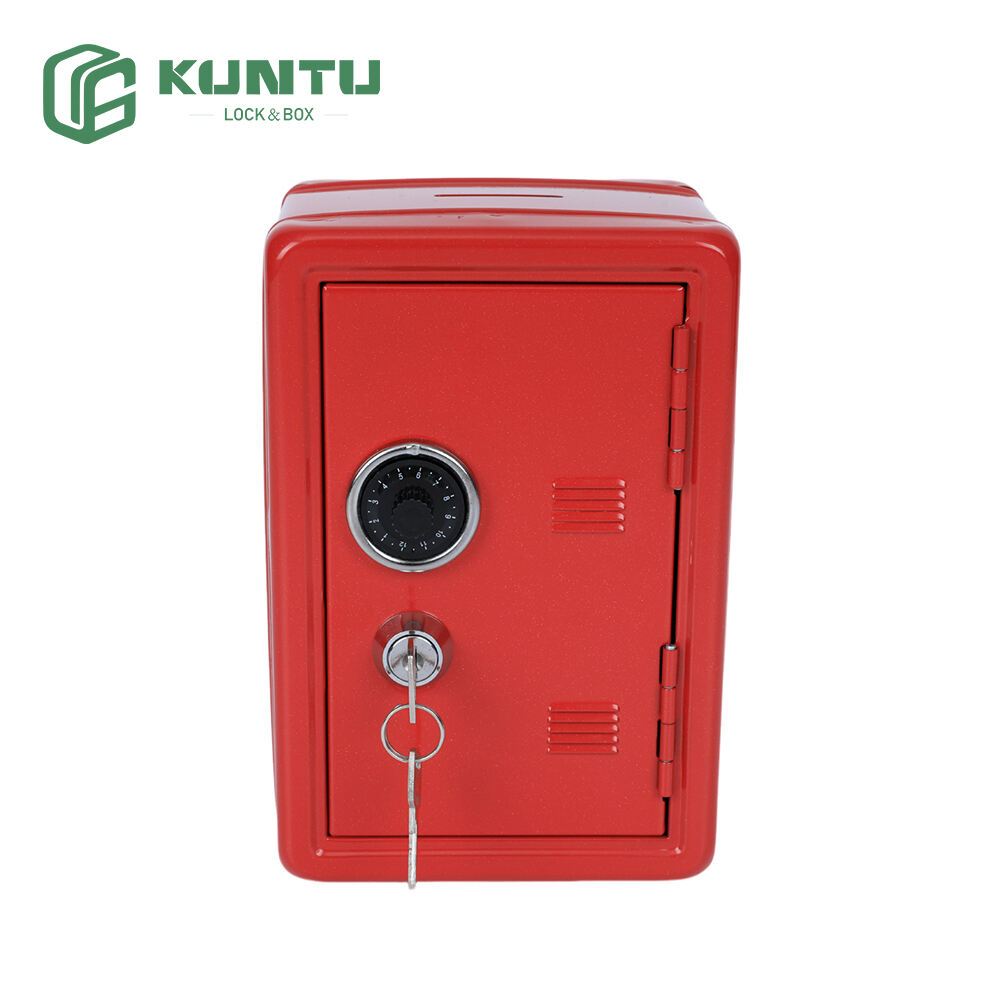
What Makes a Safe Box Truly Heavy Duty?
Multi-Layer Steel Construction and Reinforced Door Engineering
What makes a heavy duty safe truly secure goes beyond just how thick it is. It's all about smart engineering too. Most safes have walls made up of several layers of steel, usually at least 10 gauge or better, creating a strong defense against anyone trying to break in by force. For top security models, manufacturers often incorporate special hardened steel alloys designed specifically to stand up to cutting equipment such as angle grinders and plasma torches. When looking at safety features, the door construction really stands out. Good quality safes feature solid steel cores around an inch thick or more, along with internal bars that prevent prying attempts. Continuous hinges help spread out any impact force across the whole frame instead of concentrating it on one spot. These combined reinforcements create consistent protection when someone tries to get in through persistent attacks. Tests following EN 1143-1 standards show these certified safes can hold up for more than ten minutes against various attack methods including drilling, grinding, and prying with hydraulics. Another important detail worth noting is that the gap between the door and frame stays below 1/16 of an inch, which means there's no space left for those pesky pry bars to work their magic.
Anti-Drill Plates, Hardened Bolts, and Dynamic Relocker Systems
Just having strong materials isn't going to cut it when security matters. We need specific protection measures too. Anti-drill plates made from tough materials like carbide steel or ceramic stuff get installed right next to locks so they actually break drill bits when someone tries to mess with them. The hardened steel bolts used for locking are pretty thick, about 1.5 inches across, and go way into each side of the door frame. This makes it really hard for anyone trying to saw through, shear off parts, or twist things apart. What really stands out though is the dynamic relocker feature. These little spring loaded pins kick in immediately whenever there's any sign of tampering, whether someone drills into the lock, applies too much heat, or causes vibrations. When activated, these extra bolts lock everything down permanently, no matter what happens to the main lock. Tests done according to UL TL-30 standards show that this multi layer approach can hold up against serious attempts to break in for over 30 minutes using top quality tools.
Understanding Safe Box Security Ratings: EN 1143-1 and UL Classifications
EN 1143-1 Grades I—XII vs. UL TL-15/TL-30/TRTL-30: What Each Means for Real-World Protection
Security ratings basically tell us how well something performs in tests translates to actual protection when someone tries to break in. Take EN 1143-1, which is the European standard for safe security. It ranks safes from grade I all the way up to XII depending on how they hold up against different types of mechanical attacks. For instance, a Grade VI safe needs to withstand over an hour of continuous assault from things like grinders, power drills, and leverage tools before it gives way. UL standards work differently though. They focus more on how long a safe can resist attempts at forced entry under controlled conditions. The TL-15 rating means it should last at least 15 minutes against basic hand tools such as hammers, pry bars, and regular drills. Then there's TRTL-30, which takes things further by testing if the safe can stand up to oxy-acetylene torches for half an hour straight. These ratings give consumers a good idea of what level of protection they're getting for their money.
| Standard | Attack Focus | Highest Tier | Typical Use Case |
|---|---|---|---|
| EN 1143-1 | Tool sophistication | Grade XII (120+ min) | Corporate vaults, banks |
| UL Classification | Timed assault resistance | TRTL-60X6 (60 min) | High-risk jewelry, cash storage |
Most insurance companies will want to see certain certifications if someone wants coverage for items worth over half a million dollars. They typically look for things like EN Grade IV or UL TL-30 standards. Tests have shown that UL TRTL-30 rated safes can actually hold off against angle grinders for the entire 30 minute period. Meanwhile, those EN Grade VIII models are built to stand up to diamond core drilling attempts. When thinking about security needs, EN grades make sense for situations where sophisticated tools might be used against the safe. On the other hand, UL ratings become really important when delaying entry for a specific amount of time matters most in protecting valuable contents.
Locking Technology That Matches Heavy Duty Safe Box Standards
Biometric, Digital, and Dual-Mode Locks: Balancing Speed, Accuracy, and Tamper Resistance
The locking system needs to be as secure as the safe itself, not something that weakens it. Biometric scanners, whether fingerprint or eye recognition, get people in within two seconds most of the time, though they sometimes struggle when there's too much moisture on fingers or poor lighting conditions. Digital keypads allow for really complex codes with over 100 thousand possible combinations, but they rely heavily on good batteries and users remembering their codes consistently. That's why many modern safes now have dual mode locks that mix both technologies together. They give the fast access of biometrics plus the dependable backup of a keypad, cutting down on those situations where one component fails completely. According to recent security tests from 2023, these combined systems stop around 98 percent of all forced entry attempts, making them pretty effective against most break-in methods out there today.
All high-assurance locks must include core anti-tamper safeguards:
- Shielded wiring to prevent circuit manipulation or signal interception
- False keyhole designs that trigger alarms upon drill contact
- Reinforced bolt works rated to withstand over 15,000 pounds of shear force
For heavy-duty applications, prioritize UL-rated “Group 2” locking mechanisms—certified to resist torch and tool attacks for 30+ minutes. In high-risk deployments like banking or retail vaults, dual-authentication systems (e.g., biometric + PIN) reduce unauthorized entry attempts by 74% compared to single-method locks.
Selecting the Right Heavy Duty Safe Box for Your Risk Profile
Selecting the proper heavy duty safe begins by honestly evaluating exactly what needs protection and considering who might go after it. Things like cash money, guns, confidential papers, or family treasures passed down through generations all face different kinds of risks. For businesses such as jewelry shops located in city centers, they typically need safes that meet UL TRTL-30 standards featuring anti drill resistant plates, multiple locking points, and those fancy dynamic relocker mechanisms. Homeowners dealing with average burglary threats often discover that TL-15 rated models equipped with strengthened doors plus combination biometric and digital lock systems work just fine for their needs most of the time.
Specifications should match what actually happens on the ground. For example, places where fires are common need at least a 1 hour fire rating according to standards like UL 350 or EN 15659. Similarly, areas prone to flooding absolutely must have those IP67 rated seals that keep water out completely. Security is often thought of only in terms of how long something can hold up, but it goes deeper than that. Think about creating a balanced approach instead. Biometrics let people get through quickly when they're supposed to, while having those old fashioned mechanical overrides ensures everything still works even if tech fails. And don't forget proper construction certification too. When all these parts work together properly, they form a real defense system rather than just individual components sitting around doing nothing.
FAQ Section
What is EN 1143-1 standard?
EN 1143-1 is a European standard that rates safes based on their ability to withstand mechanical attacks. The grades range from I to XII based on the safe’s resistance capabilities.
How are UL classifications different?
UL classifications measure how long a safe can withstand attempts at forced entry using various tools under controlled conditions. Ratings like TL-15 and TRTL-30 indicate the duration the safe can resist such attacks.
Why is a dual-mode lock important?
Dual-mode locks offer the quick access of biometrics and the reliability of a digital keypad, reducing the risk of lock system failure and providing better security.
What security features should I look for in a safe?
Aside from strong materials, look for anti-drill plates, hardened bolts, dynamic relocker systems, and high-assurance locks like UL-rated Group 2 mechanisms with dual-authentication systems for optimal security.