
 EN
EN
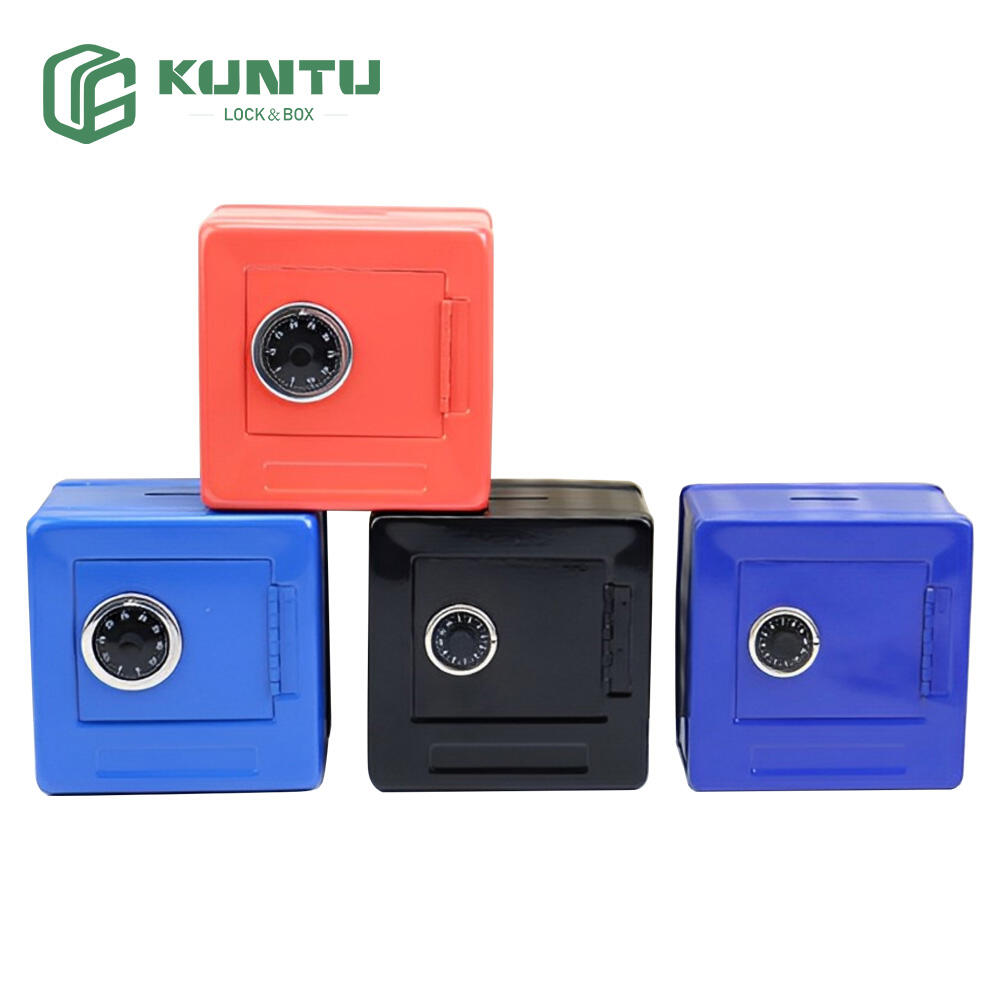
Core Security Features of a Trusted Safe Box
Digital and Biometric Locks: Balancing Speed, Accuracy, and Resistance to Bypass
Digital locks these days offer quick and dependable access via PIN codes, standing up pretty well against those pesky tampering tricks we all hear about like shimming or trying to crack them electronically. People who want to get in without fumbling around much will appreciate fingerprint systems that can confirm someone's identity in just fractions of a second, typically under half a tenth actually, with rejection rates hanging around 2% or so thanks to those fancy multi-angle sensors inside. What makes both kinds secure? Well, they've got those reinforced keypads that stop anyone from trying random combinations all night long. Plus, the biometric data stays locked away on device itself, encrypted so no one can fake their way past it. Travel versions come with decent IP ratings too, meaning they won't quit working when exposed to dust storms or sudden rain showers during business trips abroad.
Certified Protection: What UL Listing, Triple Bolt Action, and Anti-Fishing Mean for Real-World Safety
When it comes to security ratings, third party certifications matter a lot. The UL rating from Underwriters Laboratories basically tells homeowners whether their safe can stand up against burglars and fires. Take residential safes with a TL-15 rating as an example. These bad boys can hold out for about 15 minutes when someone tries to break in with standard tools like crowbars and drills. Most modern safes have triple bolt systems where hardened steel rods lock into place along all three sides of the door. This spreads out the force applied during attacks so prying becomes almost impossible. Another smart feature is anti-fishing protection which seals those tiny gaps around the door frame. Without these gaps exposed, thieves can't reach inside to mess with the locking mechanism. According to industry reports, this single feature stops roughly 8 out of 10 sneaky break-in attempts. All these different security layers work together like a team defense in football. If one part gets damaged or bypassed somehow, there are still other protections keeping the contents safe during actual break-ins.
Smart Size and Capacity Planning by Use Case
Travel Safe Box: Compact Design (<12" × 8" × 6"), Lightweight (<10 lbs), and TSA-Friendly Features
For portable security on the move, choose a model under 12" × 8" × 6" and weighing less than 10 lbs—ensuring seamless fit in carry-on luggage and compliance with airline size restrictions. Key TSA-friendly features include:
- A standardized key override system recognized by Transportation Security Administration protocols for lawful inspection
- Pre-drilled anchor points enabling secure, temporary mounting in hotel rooms
- Streamlined internal padding that preserves usable space for passports, cash, or small valuables without unnecessary bulk
Home Safe Box: Optimizing Fire/Burglary Ratings with Space for Documents, Jewelry, and Firearms
When choosing a home safe, people need to find that sweet spot between real security certification and enough space for what matters most. Most folks will want something around 1.2 to 1.5 cubic feet inside. That kind of room allows for basic organization like keeping papers away from flames in special compartments, storing jewelry safely in padded trays, and even having separate sections for guns with their own locks. The safes rated higher against burglars, like those meeting UL's TL-15 standard, are built with much thicker steel walls at least half an inch thick. These heavier models can get pretty hefty though. Anything over 100 pounds needs proper installation into concrete floors or walls so thieves can't just lift them out when trying to force open the door.
Safe Box Deployment: Matching Environment, Threat Profile, and Daily Workflow
Picking out a good safe box means matching what it can do physically and operationally to the actual risks around it plus how people will use it day to day. Doing a proper risk check helps figure out if theft is the main worry, or maybe fire damage, flooding, or someone getting in without permission each situation needs different protection strategies. Take properties located where floods happen often they really need those water proof seals and gaskets rated for being underwater. Meanwhile most businesses in cities tend to focus on things like tamper resistant locks and having access records that can be checked anytime during audits.
Home Use: Concealment Strategies, Anchoring Options, and Fire/Water Resistance Trade-offs
Home security works best when it's hidden but still strong enough to stop intruders. Putting equipment inside walls or under floors makes it less obvious to would-be thieves and keeps valuables out of sight. The real trick is anchoring everything securely so determined burglars can't just pry things loose. When it comes to fire safety, there's always something to give up somewhere. Fireproof safes rated by Underwriters Laboratories can handle scorching heat around 1700 degrees Fahrenheit for about an hour straight, but getting that kind of protection means sacrificing space inside the safe itself, usually losing between 15 and 30 percent of storage capacity. Water resistant models aren't much bigger than regular ones, yet they offer lifesaving protection for important papers if water ever gets in. Tests show these will keep documents dry even after being submerged continuously for three whole days during floods.
Office Use: Smart Integration, Deposit Drawers, and Scalable Storage for Cash and Electronics
Business installations become more efficient and responsible when they include specialized design elements. Deposit slots let people put money in securely without having to open up the whole unit, and the inside can be rearranged as needed for different items like computers, tablets, or important documents that need protection. When these units connect to company security systems, only certain staff members can access them during their assigned times, which helps cut down on employee theft. Some studies suggest this approach reduces theft incidents by almost half, as reported in a recent issue of Security Management Journal. The electronic locks keep track of who opens what and when, making it easier to monitor activity. Plus, special fireproof sections inside help keep backup data separate from areas where cash is stored, adding another layer of protection against losses.
FAQ Section
What is a TL-15 rating for safes?
A TL-15 rating means that the safe can withstand a break-in attempt using common hand tools for at least 15 minutes.
How do digital and biometric locks enhance safe box security?
They provide quick access through PIN codes and fingerprint systems while being resistant to tampering and bypass attempts.
What is the significance of a UL listing on safes?
UL listing indicates third-party certification for protection against burglary and fire, offering assurance to homeowners.
Why should I consider anchoring options for home safes?
Anchoring prevents burglars from easily removing the safe from its location, enhancing overall security.